
Table of Contents
ToggleMexico has quietly become one of the most LGBTQ+-friendly countries in Latin America, with same-sex marriage now legal nationwide and vibrant queer communities thriving in cities across the country. As a gay man living in Guadalajara and someone who has traveled extensively throughout Mexico, I’ve experienced firsthand just how welcoming, diverse, and exciting the country can be for LGBTQ+ travelers.
“Mexico has become one of the most LGBTQ+-friendly countries in Latin America, but the experience can vary greatly depending on where you travel.”
From the nightlife and culture of Mexico City to the beach clubs of Puerto Vallarta and the bohemian freedom of Zipolite, Mexico offers an incredible range of experiences for gay travelers. At the same time, Mexico is a large and culturally diverse country, and experiences can vary depending on where you go. While many destinations are openly inclusive, some smaller towns and conservative areas still require a bit more awareness and discretion.
In this guide, I’ll share what it’s really like traveling through Mexico as a gay traveler, including LGBTQ+ rights, safety tips, the best gay-friendly destinations, nightlife, Pride events, and practical advice to help you confidently plan your trip.
Yes. Mexico is one of the most LGBTQ+-friendly countries in Latin America, with same-sex marriage legal nationwide and thriving queer communities in destinations like Mexico City, Puerto Vallarta, Guadalajara, Zipolite, and Mérida. While some smaller towns remain more conservative, most major tourist destinations are welcoming and safe for LGBTQ+ travelers.
Real Experiences. Local Insights.
From a local who lives it.
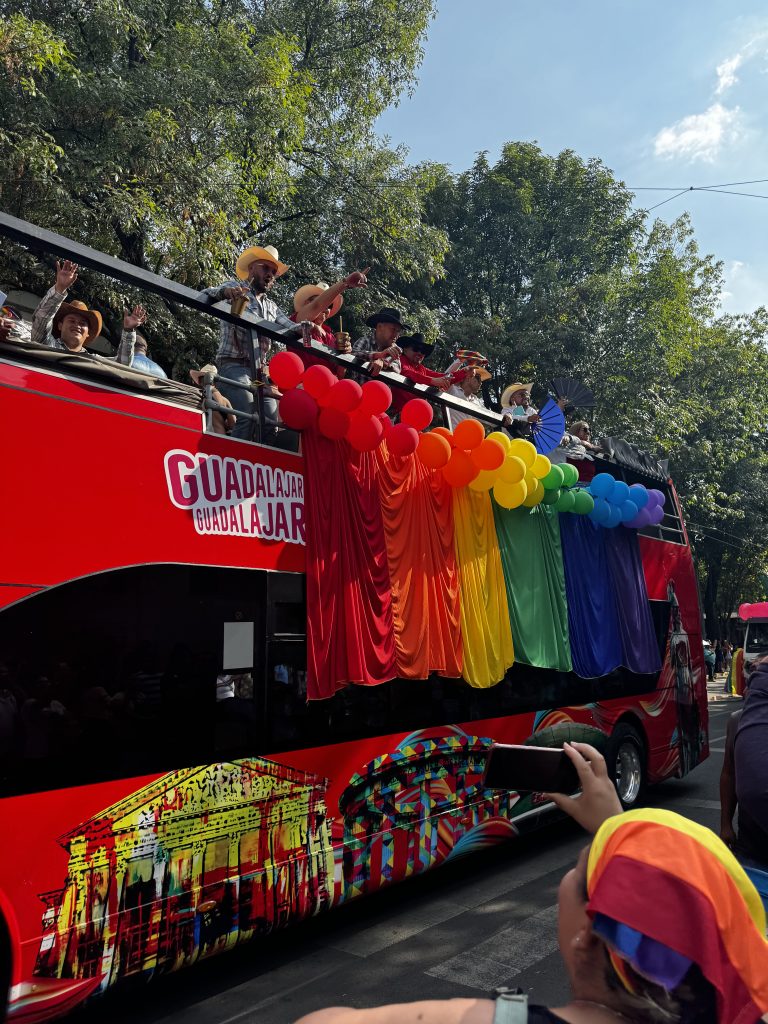
One of the biggest misconceptions about Mexico is that it’s deeply conservative and not welcoming to LGBTQ+ travelers. In reality, Mexico has become one of the more progressive countries in Latin America when it comes to LGBTQ+ rights, visibility, and acceptance. Major cities like Mexico City, Guadalajara, Puerto Vallarta, and Oaxaca have thriving LGBTQ+ communities, Pride celebrations, gay nightlife, and growing queer-owned businesses.
Mexico has also made major legal advances for LGBTQ+ rights over the past decade, including nationwide marriage equality and anti-discrimination protections. While cultural attitudes can still vary depending on the region, most popular tourist destinations in Mexico are very welcoming to gay travelers.
"Same-sex marriage is legal nationwide in Mexico, making it one of the most progressive countries in Latin America for LGBTQ+ rights."
Key LGBTQ+ Rights in Mexico
That said, Mexico is a large and culturally diverse country. Larger cities and beach destinations tend to be the most openly inclusive, while some smaller towns and rural areas can still be more conservative. As a gay traveler living in Guadalajara, I’ve generally found Mexico to be welcoming and safe, especially in destinations with established tourism and LGBTQ+ communities.
Mexico is a country of contrasts when it comes to LGBTQ+ acceptance, blending progressive legal protections with deeply rooted cultural and religious traditions. While same-sex marriage is now legal nationwide and LGBTQ+ visibility continues to grow, experiences can still vary depending on where you travel.
In larger cities and major tourist destinations, LGBTQ+ culture is highly visible and widely accepted. Places like Mexico City, Guadalajara, Puerto Vallarta, and Zipolite have thriving queer communities, popular gay nightlife scenes, Pride festivals, and LGBTQ+-friendly hotels, cafes, and businesses. Younger generations in particular tend to be far more open and inclusive, and it’s increasingly common to see openly LGBTQ+ public figures in media, politics, and entertainment.
That said, some smaller towns and rural areas can still be more socially conservative, particularly in regions with strong religious traditions. Public displays of affection between same-sex couples may attract attention in certain areas, though serious issues are uncommon in most tourist destinations. In my experience living and traveling throughout Mexico, staying aware of local culture and reading the environment goes a long way.
For most LGBTQ+ travelers, especially those visiting well-known destinations and tourist areas, Mexico is an incredibly welcoming, vibrant, and rewarding place to explore.
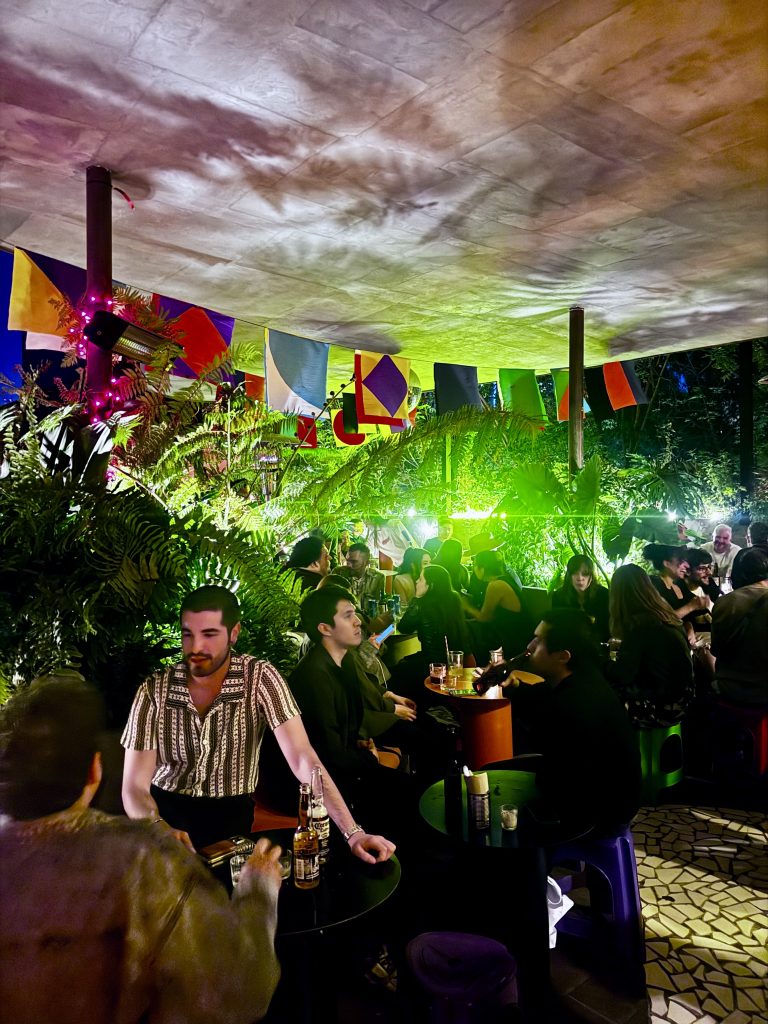
As a gay traveler living in Mexico, I’ve generally found the country to be welcoming, friendly, and easy to travel through, especially in larger cities and popular tourist destinations. I’ve personally never felt threatened because of my sexuality, but like anywhere in the world, it’s still important to stay aware of your surroundings and use common-sense precautions.
“I’ve generally found Mexico to be welcoming, friendly, and easy to travel through, especially in larger cities and popular tourist destinations.”
One of the easiest ways to feel comfortable while traveling in Mexico is to stay in LGBTQ+-friendly hotels, guesthouses, or boutique stays. Cities like Puerto Vallarta, Mexico City, Guadalajara, Playa del Carmen, and Tulum all have accommodations that openly welcome gay travelers.
Whenever possible, I recommend checking recent reviews and choosing accommodations that openly market themselves as LGBTQ+-friendly.
In major cities and tourist destinations, same-sex couples holding hands or showing affection in public is increasingly common, especially in neighborhoods with visible LGBTQ+ communities. Mexico City, Guadalajara, Puerto Vallarta, and Zipolite tend to be among the most comfortable places for LGBTQ+ travelers.
That said, attitudes can still vary depending on the region. In smaller towns, rural areas, or more conservative communities, it’s smart to be more aware of your surroundings and read the environment before showing affection publicly. Personally, I’ve rarely had issues in larger cities, but I still try to stay mindful outside openly gay-friendly spaces.
Apps like Grindr, Tinder, and Scruff are widely used throughout Mexico, particularly in larger cities and tourist destinations. While they can be a great way to meet locals or other travelers, it’s important to use the same caution you would anywhere else.
A few basic precautions go a long way:
Like many countries, Mexico has had occasional reports of scams or robberies connected to dating apps, particularly targeting tourists, so trusting your instincts is important.
Mexico has some of the best LGBTQ+ nightlife in Latin America, especially in Mexico City, Guadalajara, and Puerto Vallarta. Areas like Zona Rosa in Mexico City, Colonia Americana in Guadalajara, and Zona Romántica in Puerto Vallarta are popular, lively, and generally safe for LGBTQ+ travelers.
As with nightlife anywhere, basic safety awareness is important:
Most LGBTQ+ travelers have positive experiences in Mexico’s nightlife scene, and the atmosphere in many gay bars and clubs is welcoming, social, and inclusive.
| Destination | Location | Best For | LGBTQ+ Scene |
|---|---|---|---|
| Mexico City | Central Mexico | Nightlife, culture & Pride | Massive & highly visible |
| Puerto Vallarta | Pacific Coast, Jalisco | Beaches, resorts & nightlife | World-famous gay destination |
| Guadalajara | Jalisco | Local LGBTQ+ culture & nightlife | Large & community-driven |
| Monterrey | Nuevo León | Urban culture & nightlife | Growing & modern |
| Ajijic & Lake Chapala | Jalisco | Relaxed living & expat community | Large LGBTQ+ expat community |
| Zipolite | Oaxaca Coast | Nude beach & bohemian travel | Visible & relaxed |
| Mérida | Yucatán Peninsula | Culture, safety & slow travel | Growing & low-key |
| Playa del Carmen | Riviera Maya | Caribbean beaches & day trips | International & welcoming |
| Tulum | Riviera Maya | Wellness & boutique stays | Inclusive & trendy |
| San Miguel de Allende | Guanajuato | Arts, culture & boutique travel | Growing & expat-friendly |
| Querétaro | Central Mexico | History, food & culture | Emerging & inclusive |
| Guanajuato | Central Mexico | Art, history & student culture | Small but growing |
| Oaxaca City | Oaxaca | Food, mezcal & culture | Growing & creative |
| San Cristóbal de las Casas | Chiapas | Mountain culture & cafes | Low-key & bohemian |
| Puebla | Central Mexico | Food & architecture | Emerging & understated |
| Ensenada & Valle de Guadalupe | Baja California | Wine & food travel | Welcoming & understated |
| Loreto | Baja California Sur | Nature & outdoor adventure | Minimal but welcoming |
| Todos Santos | Baja California Sur | Art, surf & boutique escapes | Subtle & inclusive |
| La Paz | Baja California Sur | Beaches & marine wildlife | Growing & friendly |
| Los Cabos | Baja California Sur | Luxury resorts & nightlife | Inclusive & resort-oriented |
Mexico is a large and incredibly diverse country, with LGBTQ+-friendly destinations ranging from major cities and beach resorts to colonial towns, wine regions, and laid-back coastal escapes. Use this map to explore where Mexico’s top gay-friendly destinations are located and help plan your trip throughout the country.
“From world-famous Pride celebrations and gay beaches to colonial cities and bohemian surf towns, Mexico offers one of the most diverse LGBTQ+ travel scenes in the Americas.”
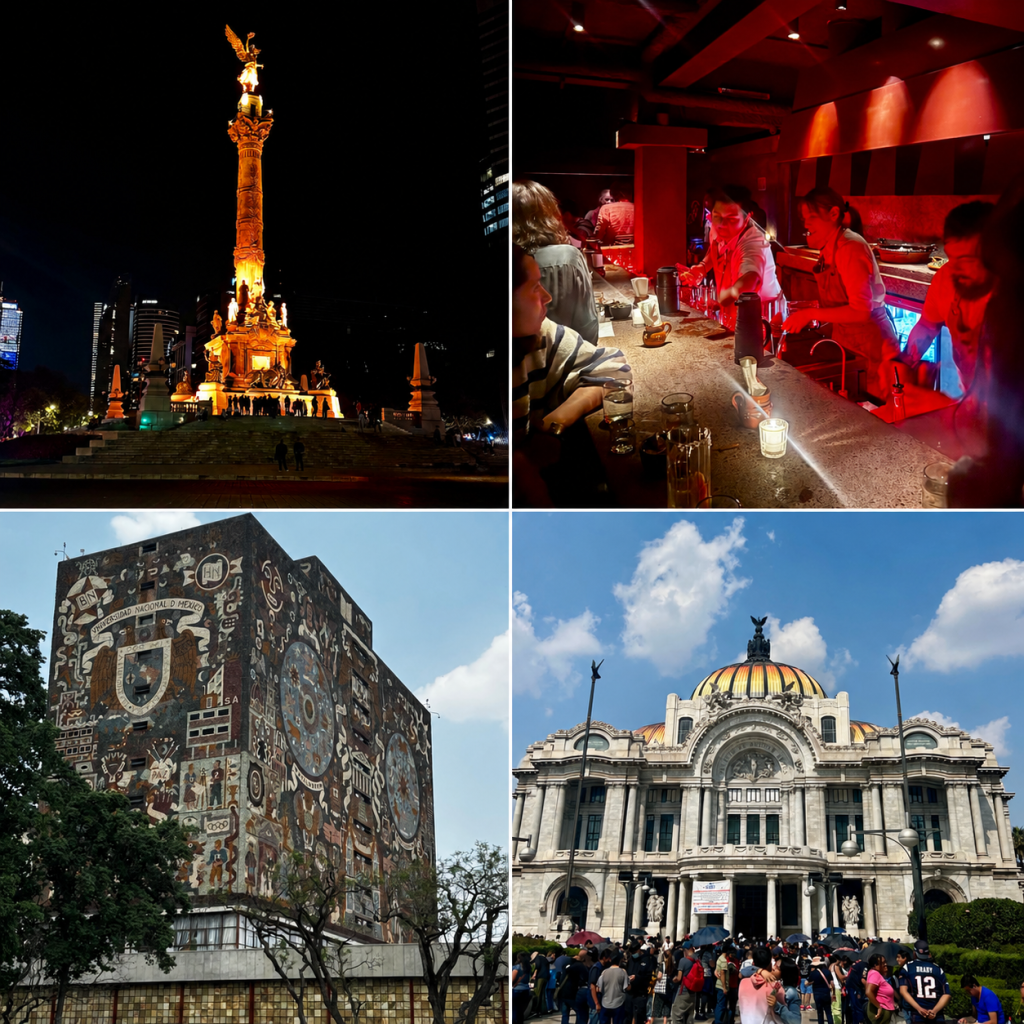
Mexico City is one of the most exciting and LGBTQ+-friendly cities in the world, offering a mix of nightlife, culture, art, food, and one of the largest Pride celebrations in Latin America. The city has a massive and highly visible queer community, with LGBTQ+ bars, clubs, cafes, drag shows, cultural events, and inclusive spaces spread across several neighborhoods.
The heart of the gay nightlife scene is Zona Rosa, Mexico City’s historic gayborhood known for its dense concentration of bars, clubs, karaoke spots, and late-night venues. Nearby neighborhoods like Roma Norte and Condesa are especially popular with LGBTQ+ locals and travelers thanks to their trendy cafes, cocktail bars, boutique hotels, art galleries, and inclusive atmosphere.
Mexico City also hosts one of the biggest Pride celebrations in Latin America. The annual Marcha del Orgullo takes place every June (near the end of the month) and draws hundreds of thousands of attendees for a massive celebration of LGBTQ+ visibility, activism, and community. Combined with the city’s progressive politics and thriving queer culture, Mexico City remains one of the best destinations for LGBTQ+ travel in Mexico.
Resource to help plan your trip to Mexico City:
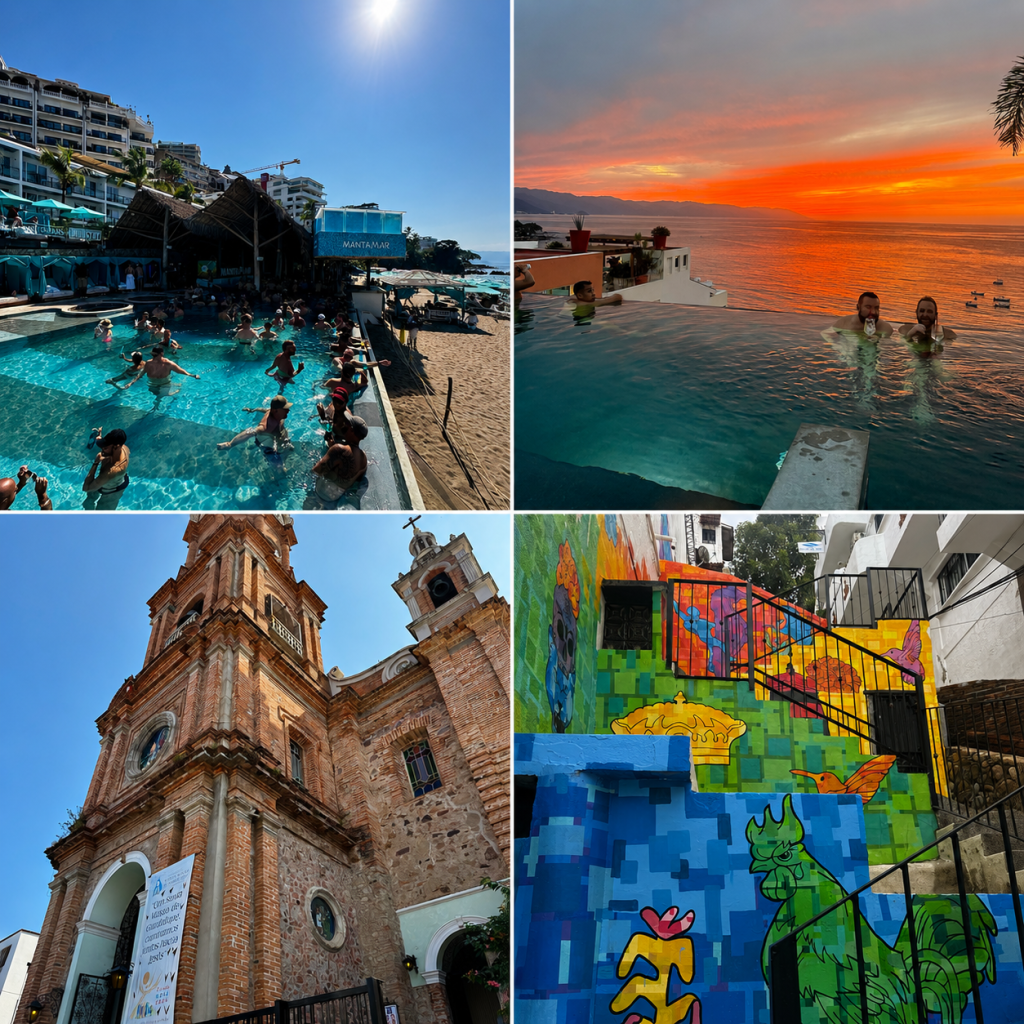
Puerto Vallarta is widely considered the most gay-friendly beach destination in Mexico and one of the top LGBTQ+ vacation spots in Latin America. The city has a large and highly visible queer community, with gay bars, beach clubs, drag shows, resorts, and LGBTQ+-focused events spread throughout the lively Zona Romántica neighborhood.
“Puerto Vallarta remains Mexico’s most iconic gay beach destination, attracting LGBTQ+ travelers from around the world.”
One of the biggest draws for LGBTQ+ travelers is Playa Los Muertos, home to the city’s popular gay beach scene and beach clubs like Mantamar Beach Club. Puerto Vallarta is also famous for its energetic nightlife, ranging from rooftop bars and drag performances to late-night dance clubs and pool parties. The city’s annual Puerto Vallarta Pride celebration, held every May, brings together thousands of visitors for parades, parties, live performances, and cultural events.
Another reason Puerto Vallarta remains so popular with gay travelers is the huge range of LGBTQ+-friendly accommodations, including gay resorts, boutique hotels, luxury stays, and adults-only properties near the beach and nightlife.
Explore More Puerto Vallarta Guides to plan your Trip:
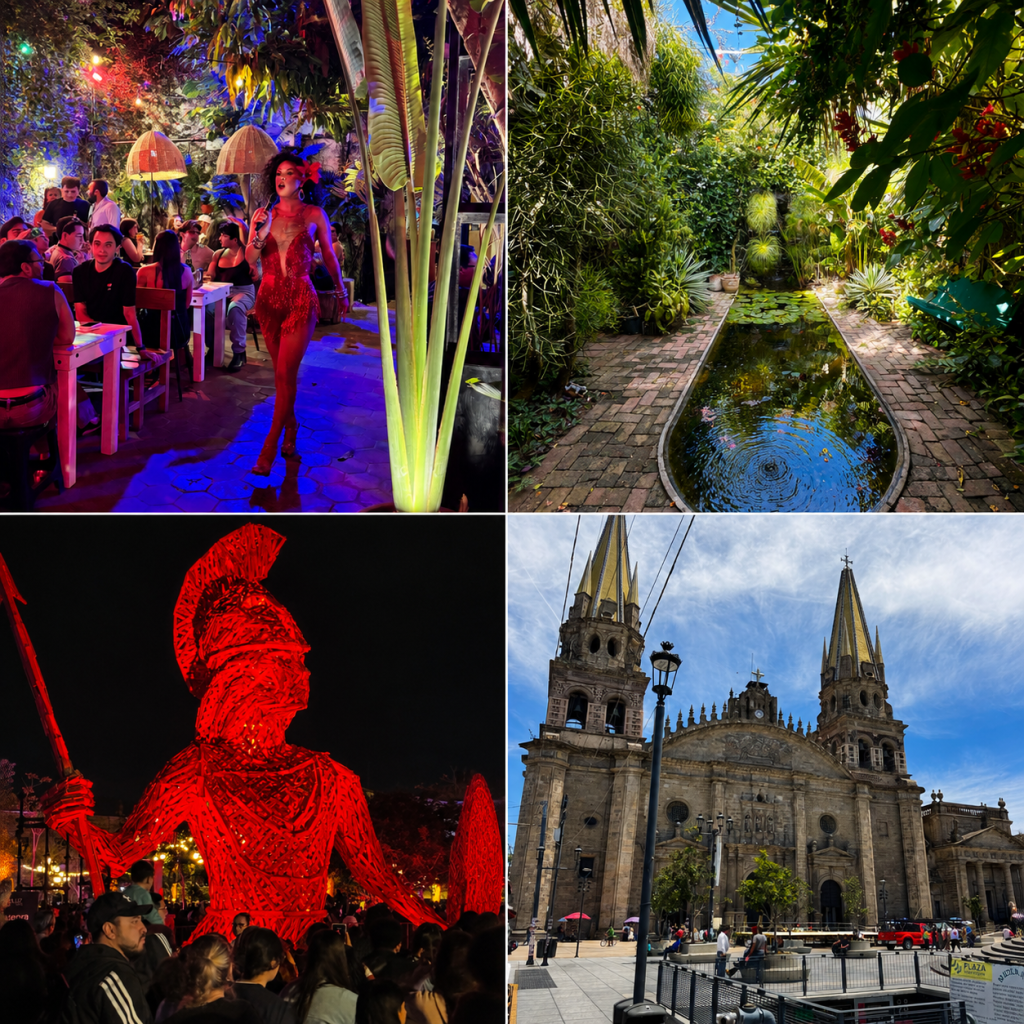
Guadalajara, often affectionately nicknamed “Gaydalajara,” is one of Mexico’s most vibrant and progressive destinations for LGBTQ+ travelers. As Mexico’s second-largest city, Guadalajara has a large queer community, a thriving nightlife scene, excellent food and cocktail culture, and one of the country’s biggest Pride celebrations. Living here myself, I’ve found Guadalajara to be one of the best places in Mexico for experiencing everyday LGBTQ+ life beyond the typical beach resort scene.
“Known affectionately as ‘Gaydalajara,’ Guadalajara has one of Mexico’s largest and most vibrant LGBTQ+ communities.”
One of the city’s most popular neighborhoods is Colonia Americana, a trendy and highly LGBTQ+-friendly area filled with cocktail bars, cafes, galleries, live music venues, and indie nightlife. Nearby areas around Avenida Chapultepec and Plaza del Sol are also known for LGBTQ+ bars, clubs, drag shows, and entertainment venues. Guadalajara’s nightlife scene ranges from casual queer-friendly cantinas and rooftop bars to large dance clubs and late-night parties.
Every June, Guadalajara hosts one of the largest Pride celebrations in Mexico, attracting tens of thousands of attendees for marches, concerts, drag performances, and cultural events throughout the city. Combined with its rich cultural traditions, mariachi heritage, tequila culture, and modern creative scene, Guadalajara offers a unique mix of traditional and contemporary Mexico for LGBTQ+ travelers.
Explore More Guadalajara Guides for Planning Your Trip:
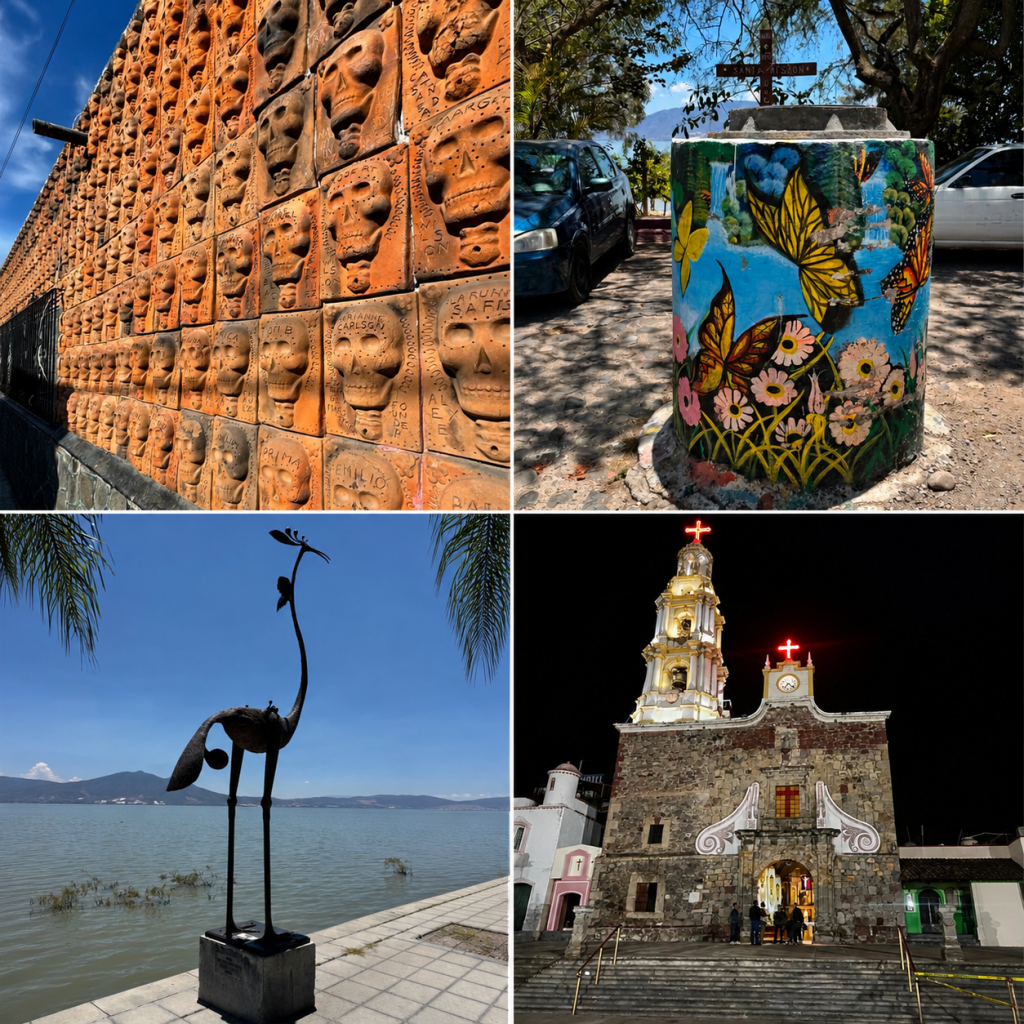
Ajijic and the surrounding Lake Chapala area offer a completely different side of LGBTQ+ travel in Mexico. Located a little over an hour from Guadalajara, these lakeside towns are known for their slower pace, mountain scenery, creative energy, and one of the largest LGBTQ+ expat communities in Mexico.
Ajijic blends colorful cobblestone streets, lakeside cafes, art galleries, local markets, and a strong sense of community that attracts LGBTQ+ travelers, retirees, artists, and remote workers from around the world. While the nightlife is much quieter than Guadalajara or Puerto Vallarta, the area has an active social scene with LGBTQ+-friendly bars, community events, wellness spaces, and cultural activities throughout the year.
Many visitors come for the relaxed atmosphere, mild climate, and easy access to nature, while others are drawn by the welcoming international community and slower lifestyle. It’s an especially appealing destination for travelers looking to experience a more peaceful and community-oriented side of Mexico.
Why Visit Ajijic & Lake Chapala?
Explore More
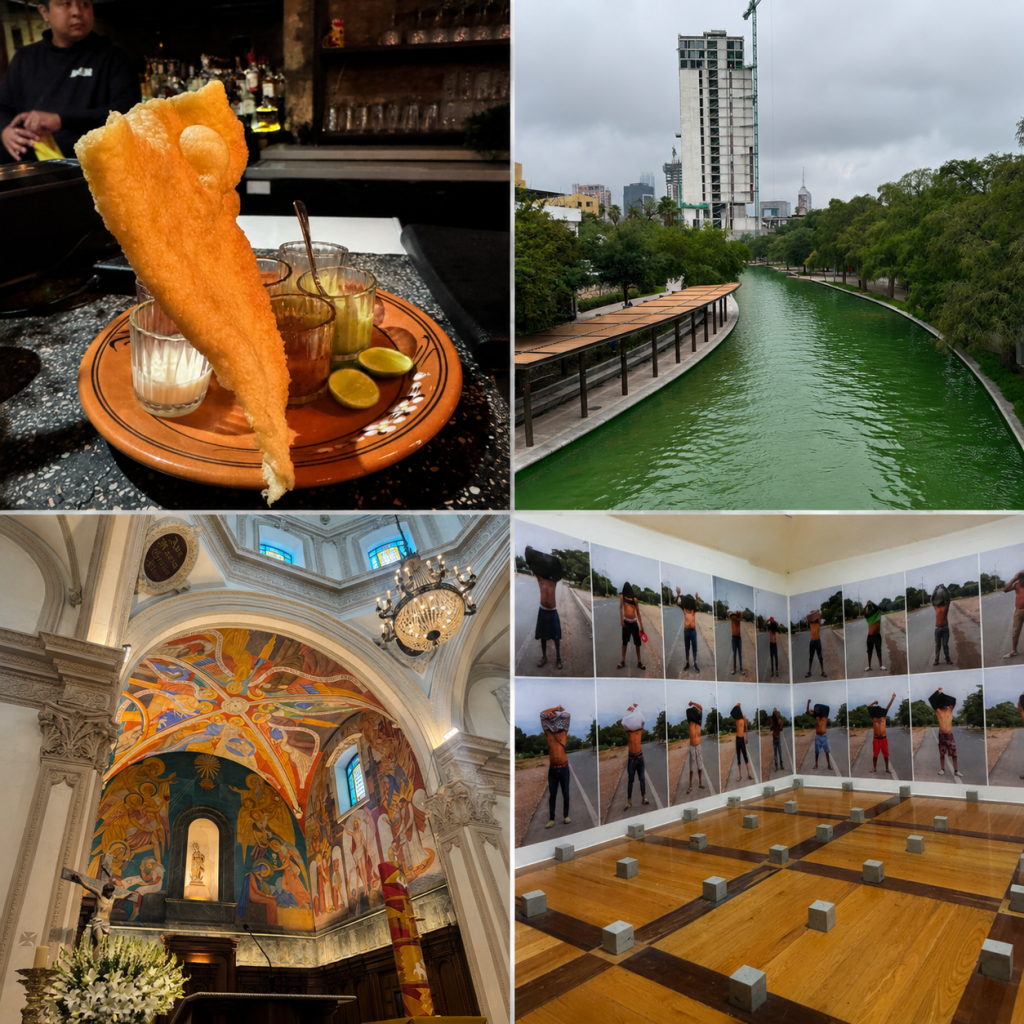
Monterrey, Mexico’s second-largest metropolitan area, offers a very different side of LGBTQ+ travel in Mexico, blending modern city life, dramatic mountain scenery, upscale neighborhoods, and a growing queer nightlife scene. Known as the country’s industrial and business capital, Monterrey feels more polished, fast-paced, and contemporary than many of Mexico’s colonial destinations, with a strong food scene, modern architecture, and active nightlife culture.
While Monterrey tends to be more socially conservative than destinations like Mexico City or Puerto Vallarta, the city has become increasingly LGBTQ+-friendly in recent years, especially among younger generations and within more cosmopolitan neighborhoods. Areas like Barrio Antiguo and San Pedro Garza García are home to trendy restaurants, cocktail bars, cafes, nightlife, and inclusive social spaces, while the city’s LGBTQ+ nightlife scene continues to grow with clubs, drag shows, and entertainment venues popular with both locals and visitors.
Monterrey is also a great destination for travelers interested in combining urban culture with outdoor adventure. Visitors can explore places like Fundidora Park, the MARCO contemporary art museum, scenic mountain viewpoints, and nearby hiking areas while experiencing one of northern Mexico’s most dynamic cities.
Explore More of Monterrey:
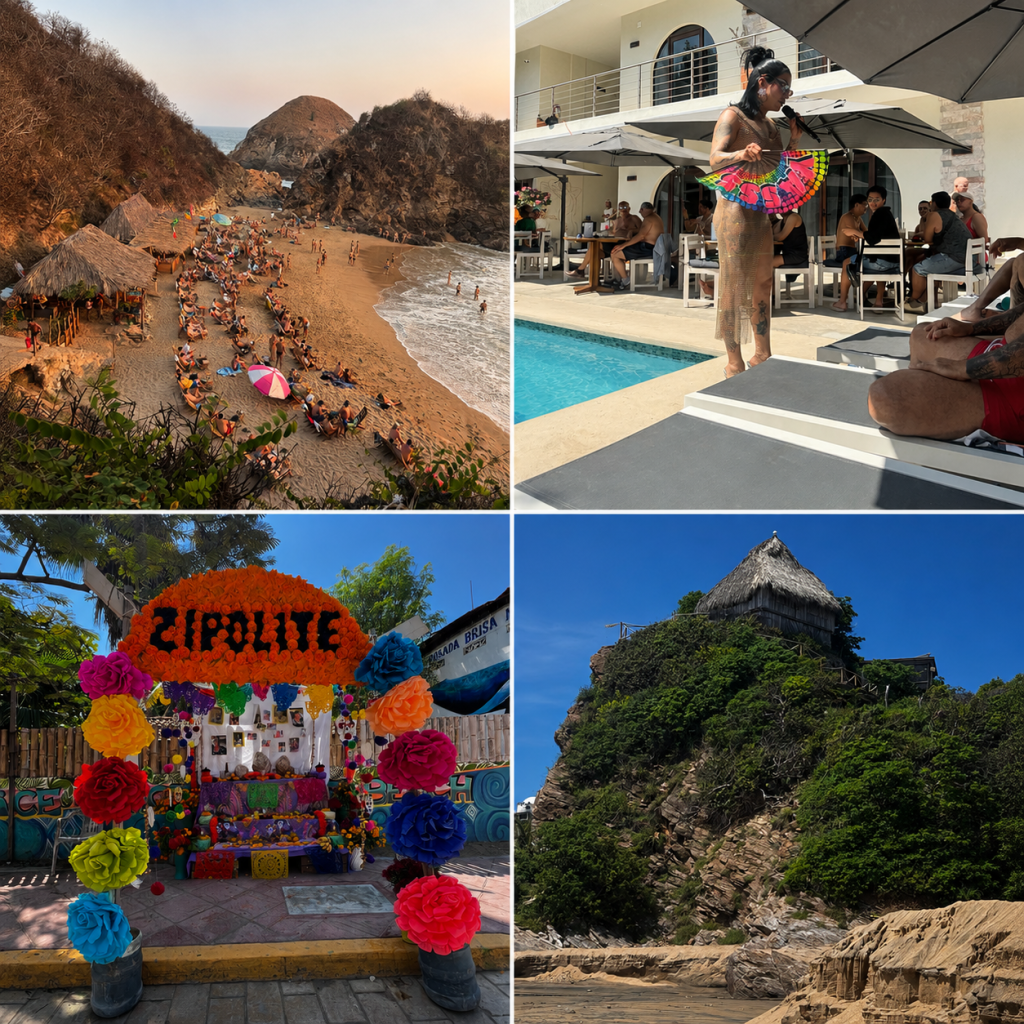
Zipolite has become one of my favorite LGBTQ+ beach destinations in Mexico thanks to its relaxed atmosphere, open-minded culture, and beautiful undeveloped coastline. Known for being home to Mexico’s only legal nude beach, Zipolite attracts a mix of LGBTQ+ travelers, artists, backpackers, wellness seekers, and free spirits from around the world.
Unlike larger resort destinations, Zipolite has a much more laid-back and bohemian feel. The town is filled with rustic beachfront cabanas, small boutique hotels, beach bars, and locally owned restaurants spread along the Pacific coast. Its welcoming atmosphere and visible queer community make it one of the most unique LGBTQ+-friendly destinations in Mexico.
Zipolite is also known for its annual Nude Festival, typically held in February, which celebrates body positivity, freedom, and inclusivity with beach events, performances, parties, and wellness activities. While the nightlife is smaller than places like Puerto Vallarta or Mexico City, there are still plenty of LGBTQ+-friendly beach bars, parties, and social spaces throughout the week.
Why Visit Zipolite?
Explore More Zipolite Guides to Plan Your Trip:
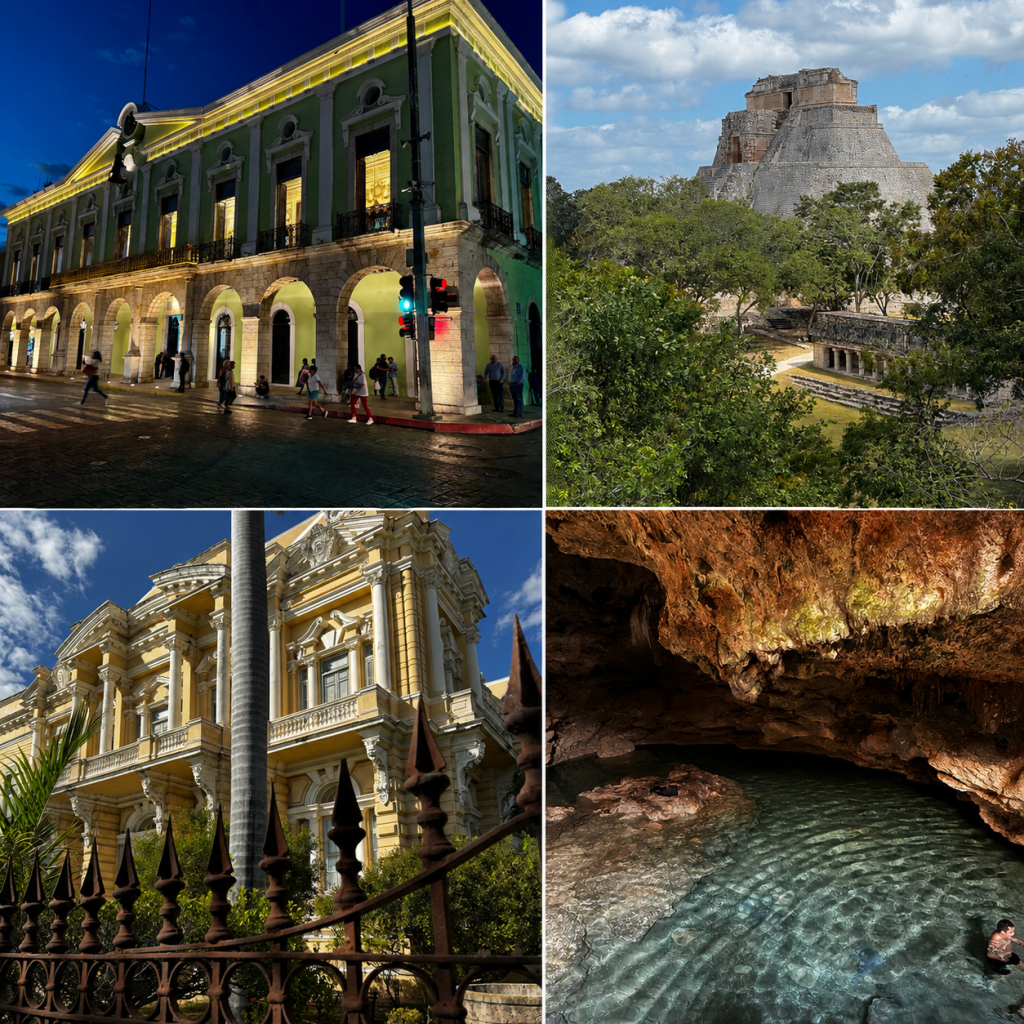
Mérida is often considered one of the safest cities in Mexico and has become increasingly popular with LGBTQ+ travelers looking for a slower, more relaxed experience. The city combines beautiful colonial architecture, excellent Yucatán cuisine, colorful markets, and a growing queer community with a laid-back atmosphere that feels very different from Mexico’s larger party destinations.
Mérida also has a large international expat population, including many LGBTQ+ residents, which has helped create a welcoming and inclusive environment. While the nightlife scene is smaller than places like Mexico City or Puerto Vallarta, you’ll still find LGBTQ+-friendly bars, cultural events, cafes, and community spaces throughout the city. Mérida is also an excellent base for exploring nearby cenotes, Mayan ruins, haciendas, and Gulf Coast beaches.
Explore More Mérida Guides
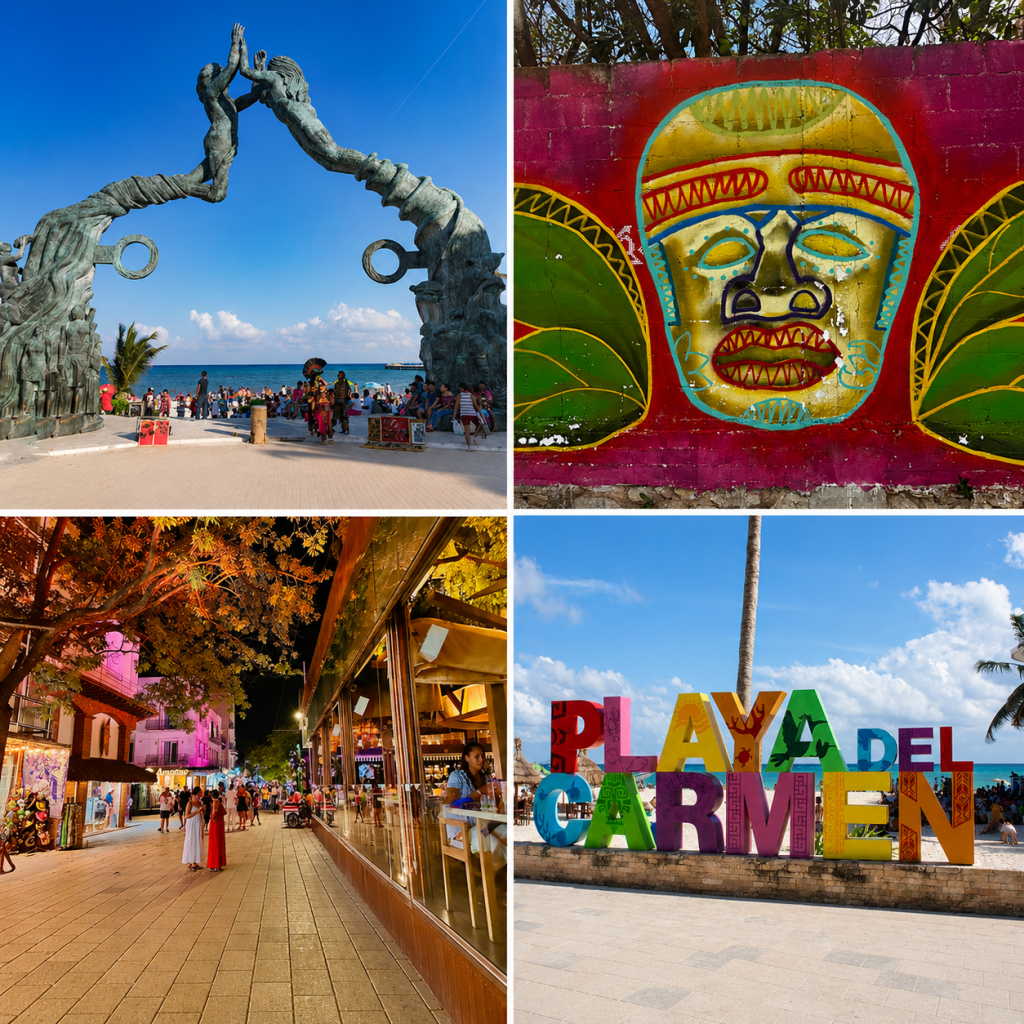
Playa del Carmen is known for its relaxed international atmosphere, beach clubs, walkable downtown, and growing LGBTQ+ scene along the Riviera Maya. The city attracts a mix of digital nomads, expats, backpackers, and beach travelers looking for a more casual alternative to Cancun.
While Playa del Carmen’s LGBTQ+ nightlife is smaller than Puerto Vallarta or Mexico City, you’ll still find gay-friendly beach clubs, bars, restaurants, and boutique hotels throughout the city. One of the biggest advantages of staying here is its central location, making it easy to visit nearby destinations like Cozumel, Tulum, cenotes, eco parks, and Mayan archaeological sites.
Explore More Playa del Carmen Guides
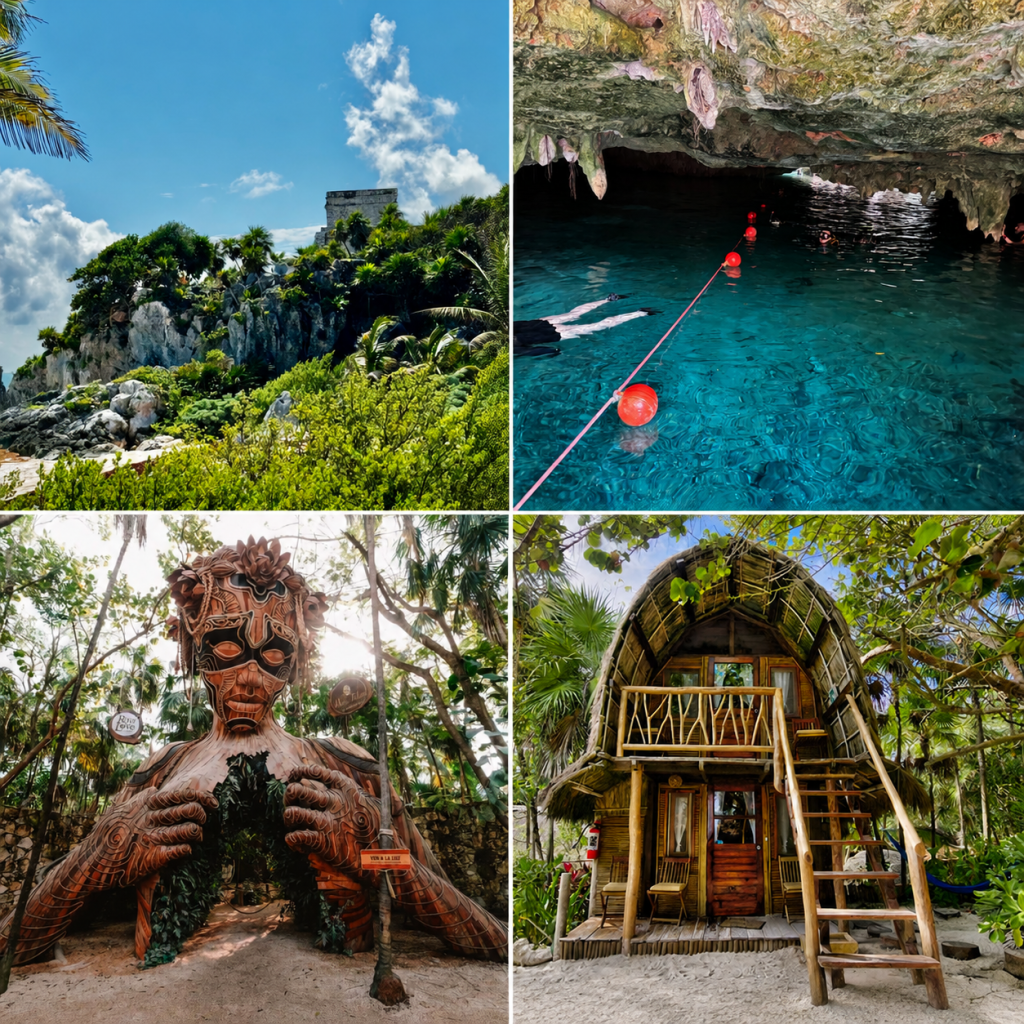
Tulum has become one of Mexico’s most popular destinations for LGBTQ+ travelers thanks to its mix of eco-luxury hotels, wellness culture, jungle nightlife, and stunning Caribbean beaches. The town attracts a global crowd of creatives, digital nomads, wellness travelers, and queer visitors looking for a more bohemian beach experience.
Tulum is known for its stylish boutique hotels, cenotes, yoga studios, beach clubs, and jungle parties that often continue late into the night. While it’s not traditionally a “gay destination” in the same way as Puerto Vallarta, Tulum is generally very inclusive and welcoming, with many LGBTQ+-friendly hotels, restaurants, and nightlife venues.
Explore More Tulum Guides
Central Mexico is home to some of the country’s most beautiful colonial cities, many of which are becoming increasingly popular with LGBTQ+ travelers. While these destinations are generally smaller and more relaxed than places like Mexico City or Puerto Vallarta, they offer a mix of culture, history, architecture, food, and growing queer visibility that makes them rewarding places to explore.
From rooftop cocktail bars and boutique hotels to Pride celebrations and artistic communities, cities across Mexico’s central highlands are becoming more inclusive each year while still maintaining their traditional character and local charm.
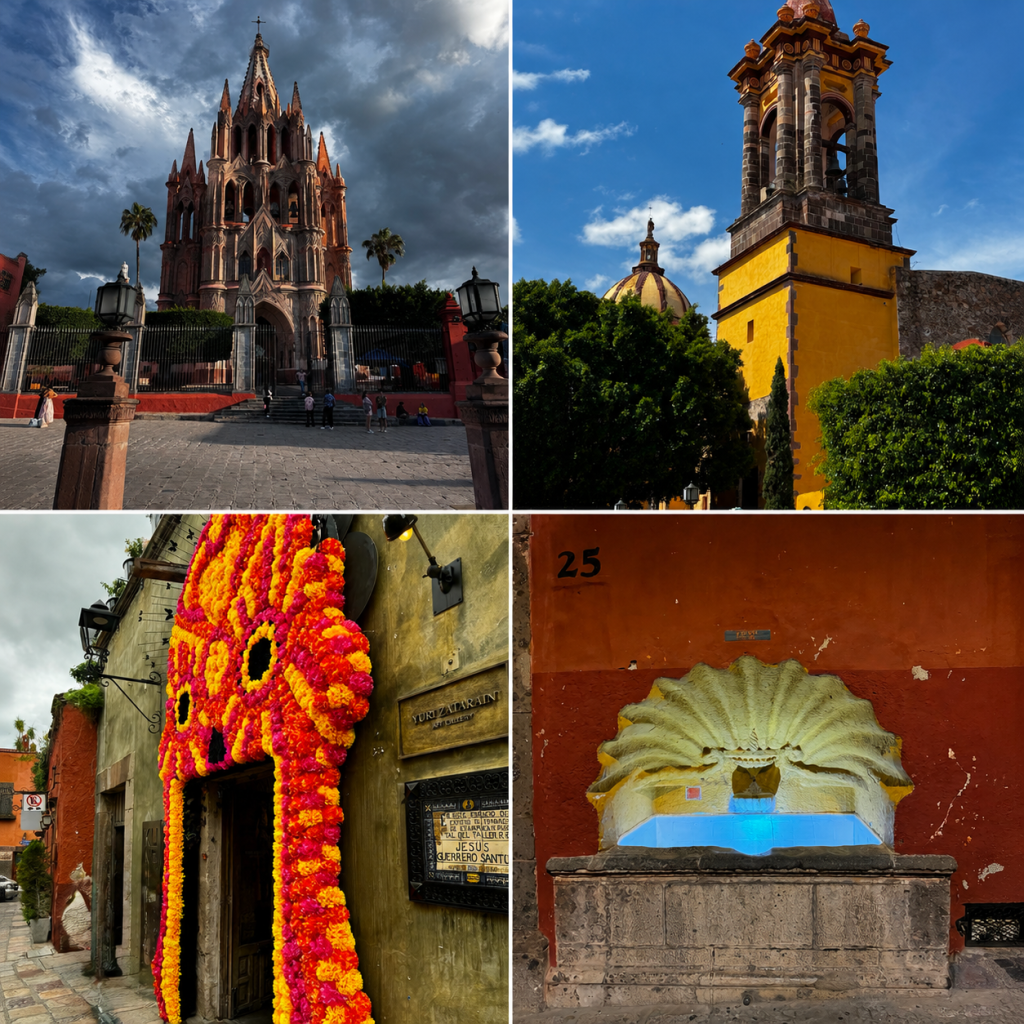
San Miguel de Allende is one of Mexico’s most picturesque and internationally known colonial cities. Famous for its cobblestone streets, colorful architecture, rooftop bars, and thriving arts scene, the city has also developed a strong LGBTQ+ and expat community over the years.
San Miguel offers a more refined and low-key LGBTQ+ atmosphere centered around boutique hotels, galleries, cafes, rooftop restaurants, and cultural events rather than large nightlife districts. The city has also started hosting a growing Pride celebration and LGBTQ+-focused events that continue to expand each year.
Explore More San Miguel de Allende Guides
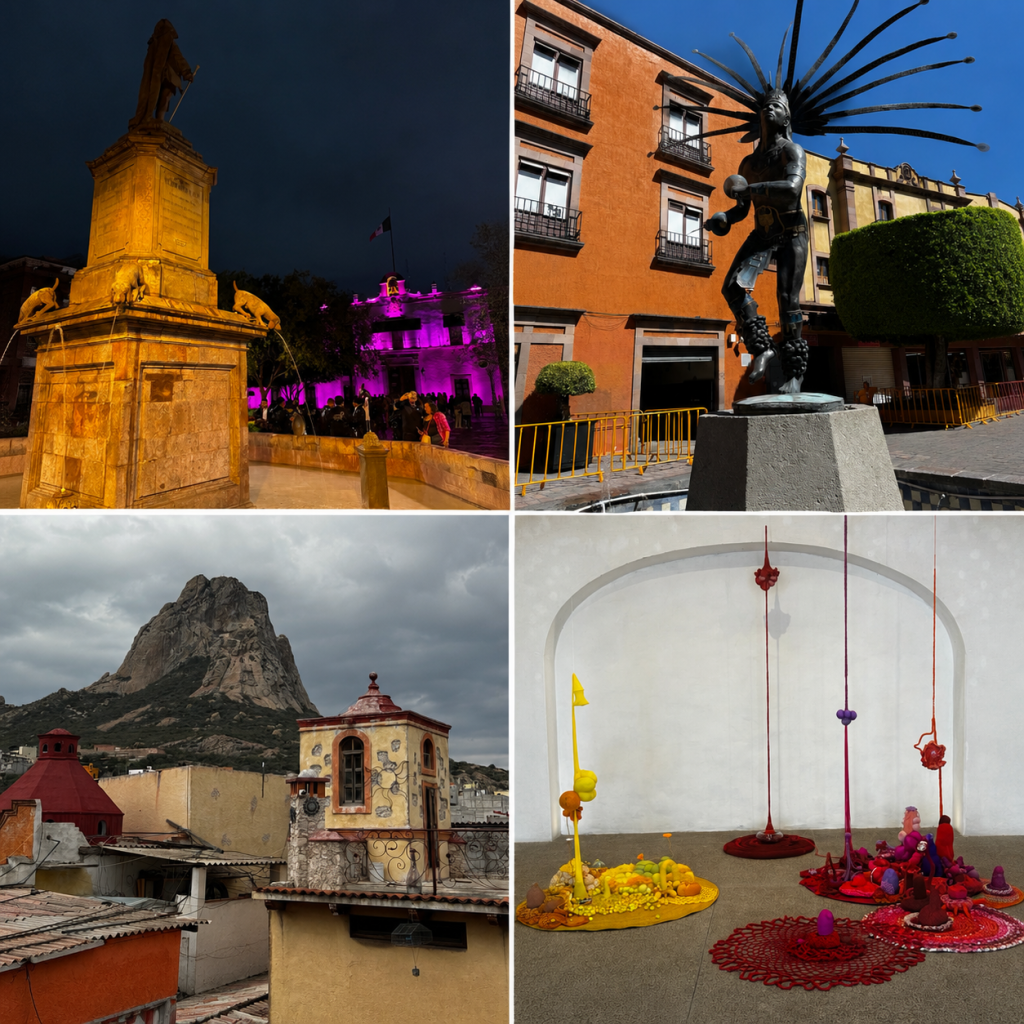
Querétaro combines colonial architecture, excellent food, and a youthful energy that has helped the city become increasingly welcoming to LGBTQ+ travelers. Its beautifully preserved historic center, walkable streets, and growing creative scene make it an appealing destination for a quieter cultural getaway.
While Querétaro’s LGBTQ+ scene is smaller and more understated than Guadalajara or Mexico City, the city has seen growing Pride events, inclusive nightlife spaces, and a younger population that tends to be more progressive and open-minded.
Explore More Querétaro
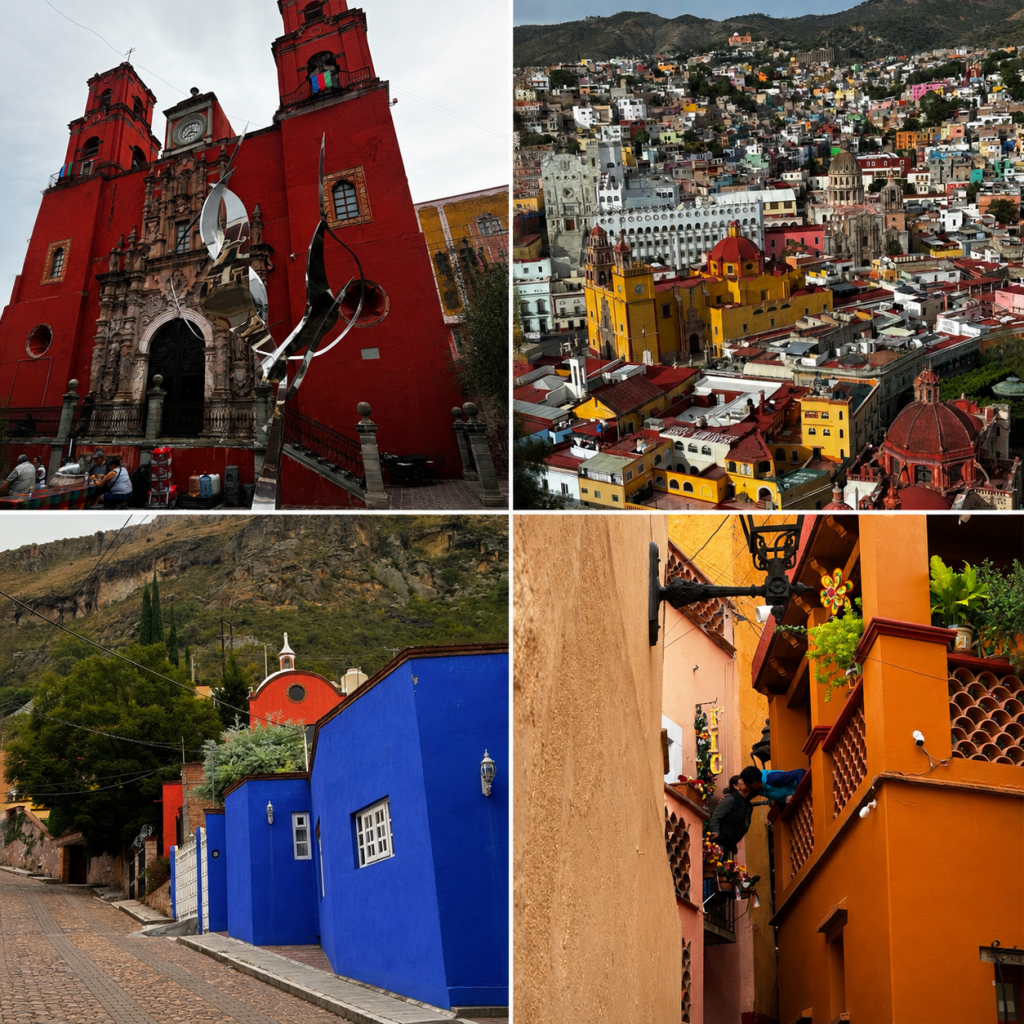
Guanajuato is one of Mexico’s most visually striking cities, known for its colorful alleyways, underground tunnels, colonial architecture, and lively student atmosphere. The city’s artistic and youthful energy has helped foster a growing LGBTQ+ community and a more inclusive atmosphere over time.
While Guanajuato’s queer nightlife is relatively small and more underground compared to larger cities, visitors will still find Pride events, LGBTQ+-friendly bars, cultural festivals, and a generally welcoming environment within the city’s creative scene.
Explore More Guanajuato
Mexico’s Baja Peninsula offers a completely different LGBTQ+ travel experience compared to the country’s larger cities and tropical beach destinations. Stretching from the U.S. border down to the Sea of Cortez, Baja is known for its wine country, desert landscapes, surf towns, marine wildlife, luxury resorts, and relaxed coastal atmosphere.
While LGBTQ+ nightlife tends to be smaller and more understated than in places like Puerto Vallarta or Mexico City, many destinations across Baja are welcoming, open-minded, and increasingly popular with queer travelers looking for food, nature, beaches, wellness, and boutique travel experiences.
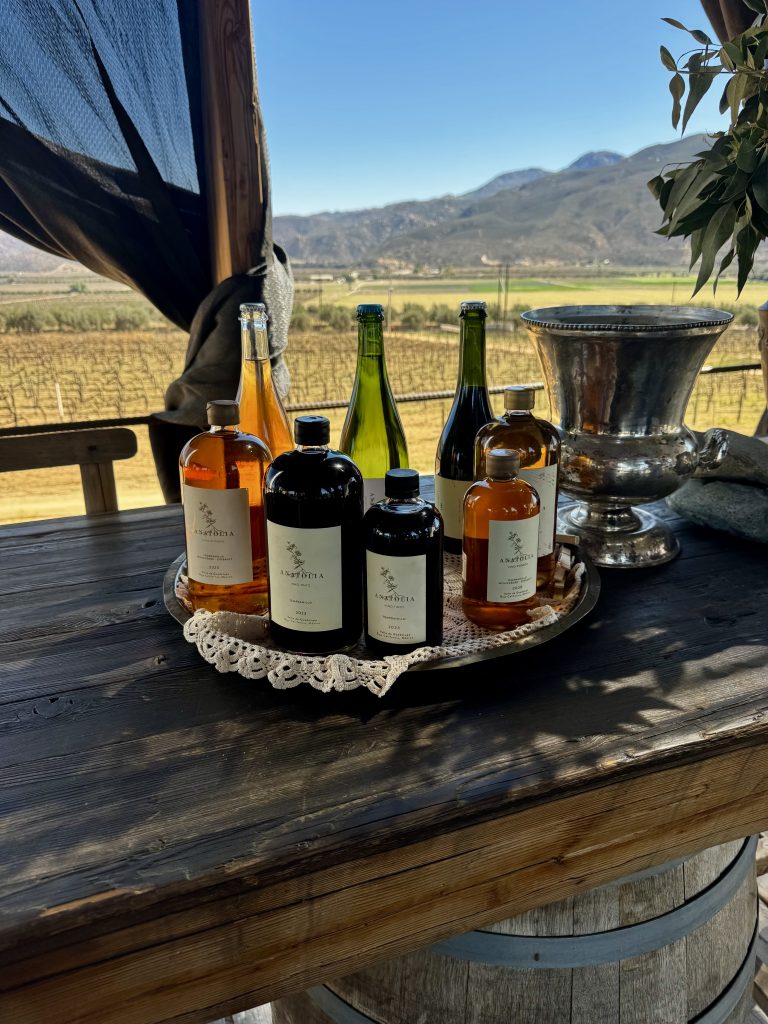
Ensenada offers a laid-back coastal atmosphere with seafood restaurants, wine bars, craft breweries, and a growing number of LGBTQ+-friendly spaces. Nearby Valle de Guadalupe, Mexico’s premier wine region, has become especially popular with LGBTQ+ travelers looking for boutique hotels, upscale wineries, farm-to-table restaurants, and luxury desert escapes.
The region attracts a creative, international crowd and is ideal for travelers interested in food, wine, design, and slower-paced travel experiences.
Explore More
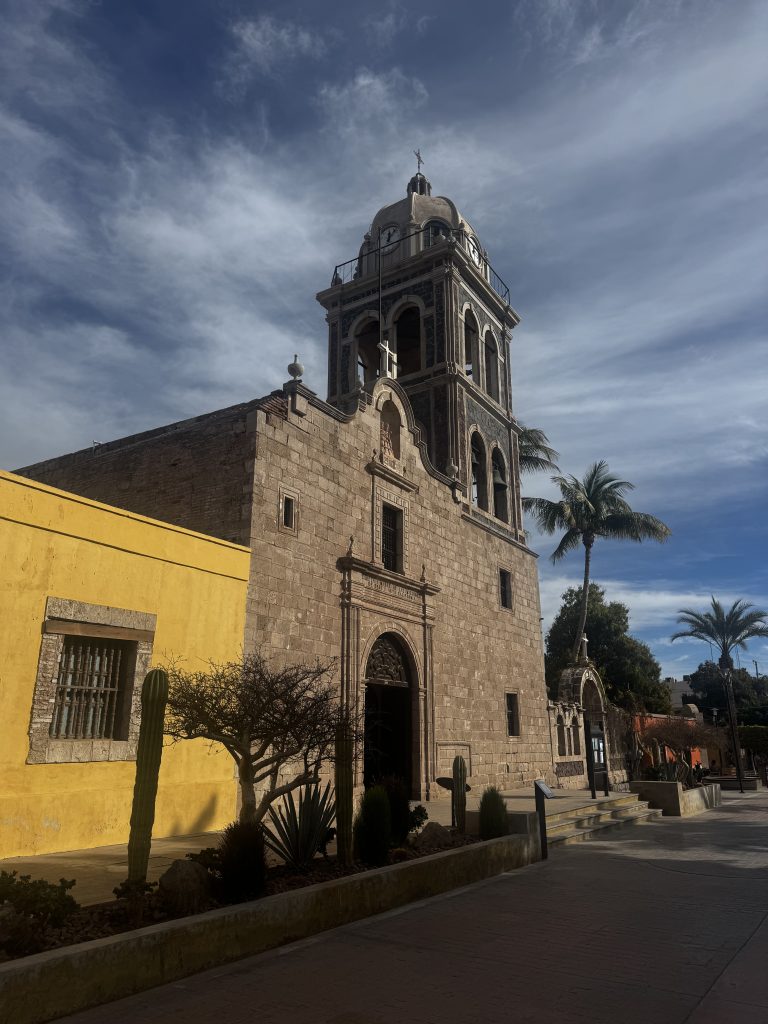
Loreto is one of Baja’s most peaceful and scenic destinations, offering a quieter experience focused on nature and outdoor adventure rather than nightlife. Located along the Sea of Cortez, Loreto is known for whale watching, kayaking, snorkeling, island tours, and dramatic desert-meets-ocean landscapes.
While the LGBTQ+ scene is minimal, the town’s relaxed atmosphere and slower pace make it comfortable and welcoming for queer travelers seeking a more tranquil getaway.
Explore More
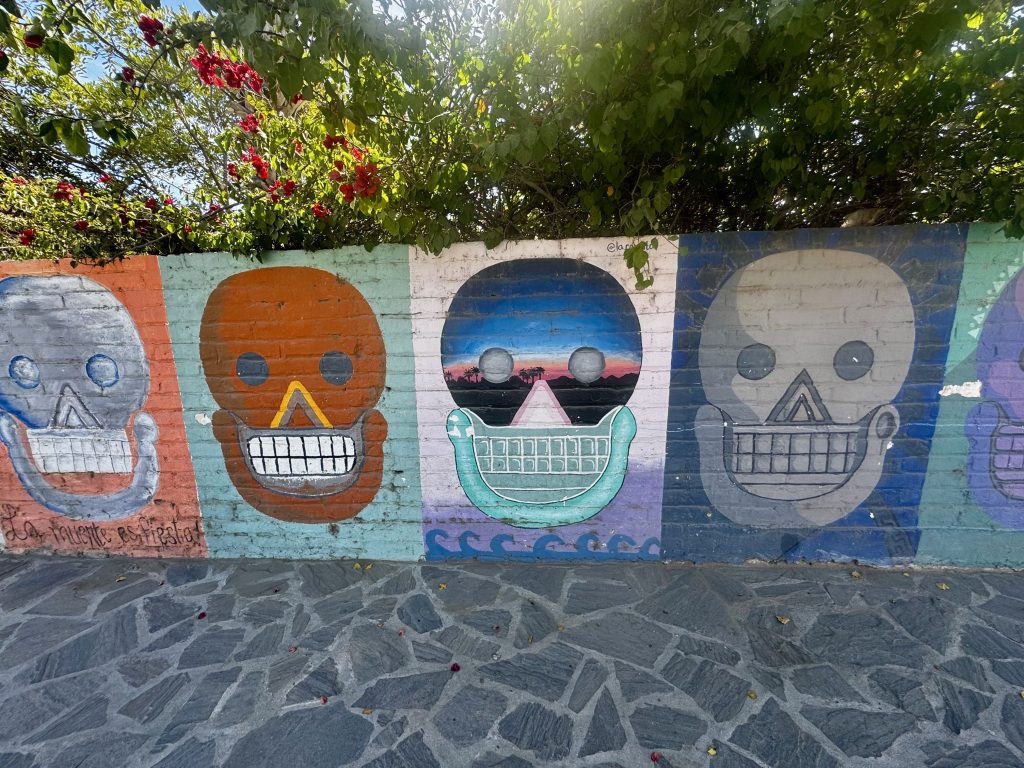
Todos Santos is a Pueblo Mágico known for its artistic community, boutique hotels, surf culture, and bohemian atmosphere. The town attracts a creative and international crowd that tends to be open-minded and inclusive, making it especially appealing to LGBTQ+ travelers looking for a quieter and more design-focused escape.
While nightlife is limited, Todos Santos offers art galleries, stylish cafes, wellness retreats, live music, and beautiful Pacific beaches with a more relaxed and intimate feel than Los Cabos.
Explore More
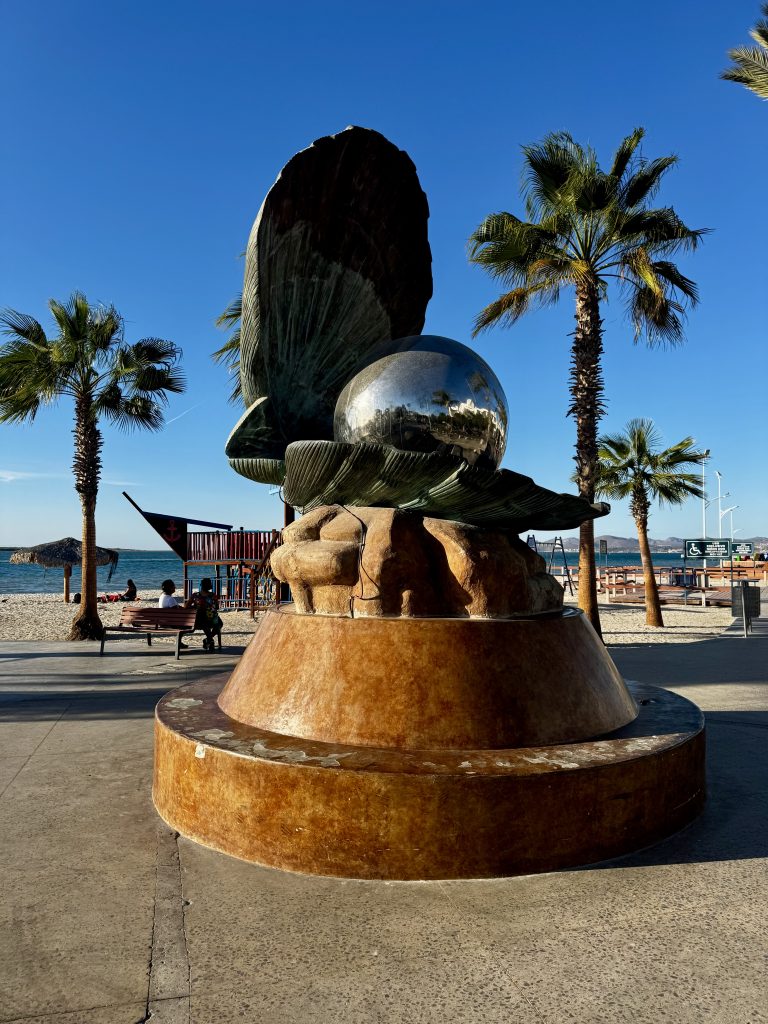
La Paz offers a more authentic and laid-back alternative to Los Cabos, with a growing LGBTQ+ presence, welcoming atmosphere, and beautiful waterfront malecón lined with restaurants, bars, and cafes. The city is especially popular with travelers interested in outdoor adventure and marine wildlife experiences.
Many visitors come to La Paz for activities like swimming with whale sharks, island excursions, snorkeling, and visiting nearby beaches such as Playa Balandra, often considered one of the most beautiful beaches in Mexico.
Explore More
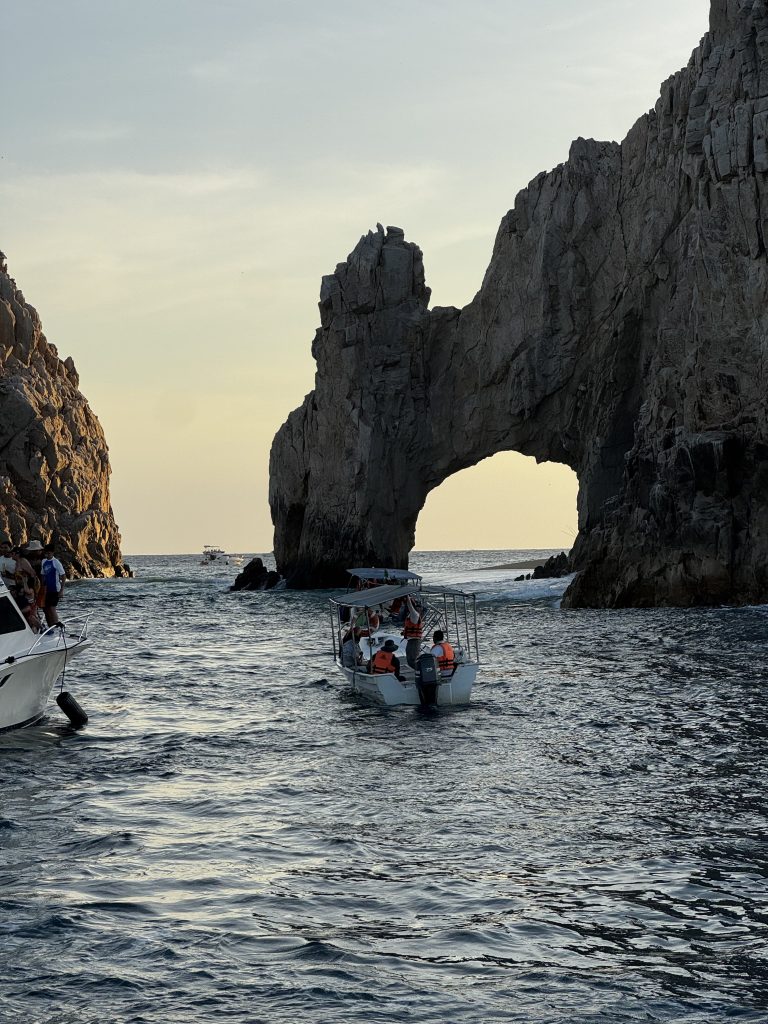
Los Cabos is one of Mexico’s most internationally recognized beach destinations, known for luxury resorts, nightlife, beach clubs, golf courses, and dramatic desert-meets-ocean scenery. The area includes both Cabo San Lucas and San José del Cabo, each offering a different atmosphere.
Los Cabos has become increasingly popular with LGBTQ+ travelers thanks to its upscale resorts, inclusive hospitality scene, beach parties, and vibrant nightlife. While it’s more resort-oriented and tourist-focused than some other Mexican destinations, it remains a popular getaway for queer travelers looking for luxury, nightlife, and outdoor adventure.
Explore More
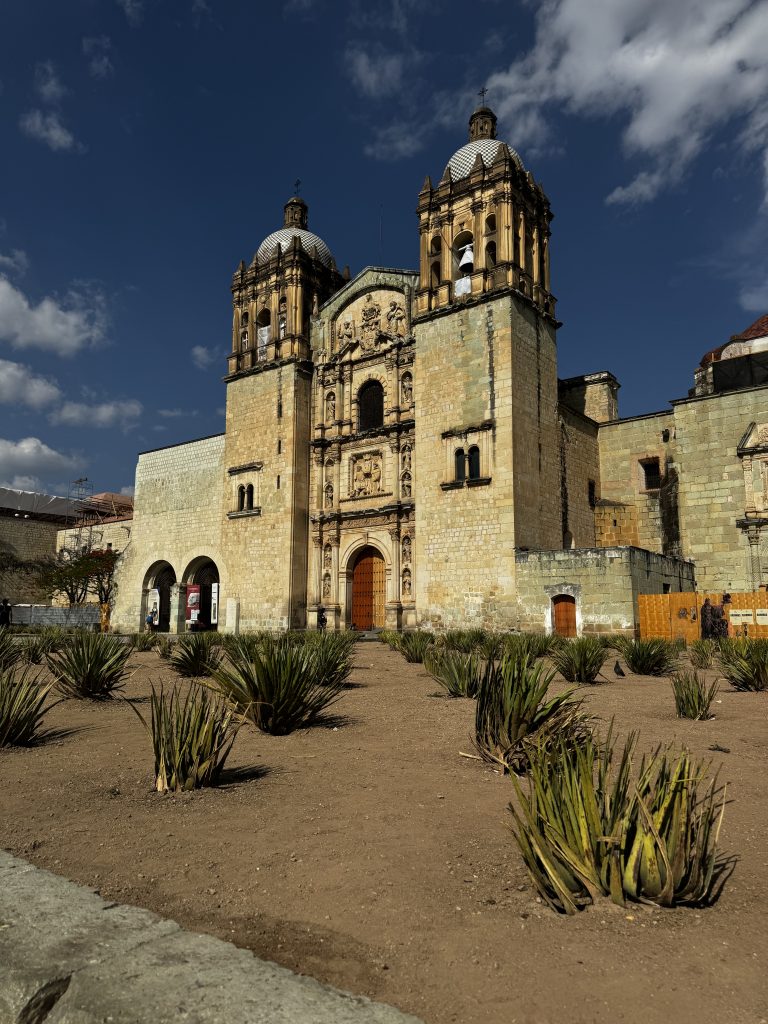
Oaxaca City is one of Mexico’s most culturally rich destinations, known for its incredible food scene, mezcal culture, colorful markets, Indigenous traditions, and thriving arts community. The city has become increasingly popular with LGBTQ+ travelers thanks to its creative atmosphere, boutique hotels, walkable historic center, and growing number of inclusive spaces.
While Oaxaca City is not a major gay nightlife destination like Mexico City or Puerto Vallarta, visitors will still find LGBTQ+-friendly bars, mezcalerías, cafes, boutique stays, and cultural events throughout the city. Oaxaca’s mix of art, food, design, and local traditions creates a travel experience that feels authentic, creative, and deeply connected to Mexican culture.
At the same time, Oaxaca remains rooted in traditional values, especially outside tourist areas and within smaller rural communities. Most LGBTQ+ travelers visit Oaxaca City without issues, though it can feel more conservative than some of Mexico’s larger urban destinations.
Explore More Oaxaca Guides
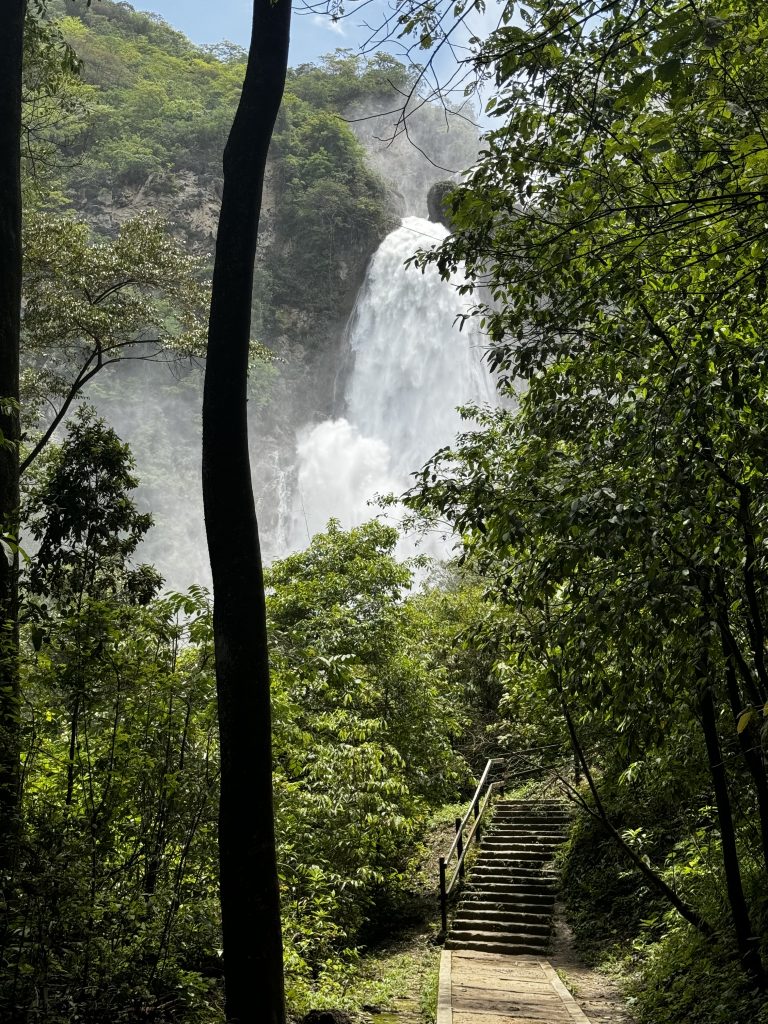
San Cristóbal de las Casas offers a completely different atmosphere from Mexico’s beach destinations and major cities. Located in the mountains of Chiapas, the city is known for its cooler climate, colorful colonial architecture, artisan markets, Indigenous culture, cafes, and relaxed bohemian energy.
San Cristóbal attracts travelers looking for a slower and more alternative travel experience centered around culture, coffee, nature, and community. While the LGBTQ+ scene is relatively small and understated, the city’s artistic atmosphere and international traveler presence generally make it feel welcoming and open-minded within tourist areas.
Like much of Chiapas, however, the surrounding region remains deeply traditional and culturally conservative in many areas. LGBTQ+ travelers typically have positive experiences in San Cristóbal itself, though smaller towns and rural communities can feel more reserved than destinations like Guadalajara, Puerto Vallarta, or Mexico City.
Explore More
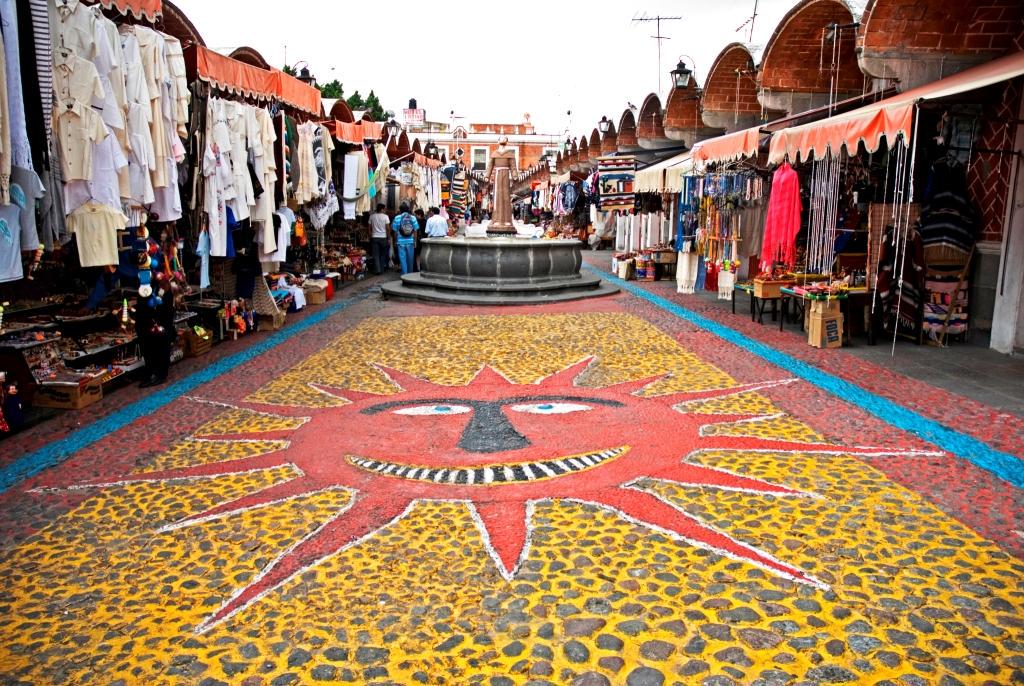
Puebla is one of Mexico’s most beautiful colonial cities, known for its colorful architecture, historic churches, traditional markets, and some of the country’s most iconic cuisine. Famous dishes like mole poblano and chiles en nogada have helped make Puebla a major destination for food-focused travelers, while its walkable historic center and strong cultural identity give the city a distinctly elegant atmosphere.
For LGBTQ+ travelers, Puebla tends to feel more traditional and reserved than cities like Mexico City or Guadalajara, though the atmosphere has been gradually becoming more inclusive in recent years. The city has a growing LGBTQ+ community, an emerging nightlife scene, and expanding Pride celebrations driven largely by younger generations and creative communities.
While most visitors won’t encounter issues, public displays of affection may attract more attention here than in some of Mexico’s larger LGBTQ+ destinations, especially outside nightlife areas and tourist zones. In general, Puebla feels most comfortable for queer travelers when approached with a bit of cultural awareness and local sensitivity.
Explore More
“The best LGBTQ+ destination in Mexico depends entirely on the kind of experience you want — nightlife, beaches, food, culture, wellness, or community.”
Mexico offers a wide range of LGBTQ+-friendly destinations, and the best place to visit depends on the kind of trip you want — whether that’s nightlife, beaches, culture, food, wellness, or a slower pace.
These destinations are especially popular with LGBTQ+ digital nomads, remote workers, and expats thanks to their combination of affordability, strong internet connectivity, coworking spaces, established expat communities, and high quality of life.
I share where to stay, where to go and what it’s really like travelling to Mexico as an LGBTQ+ traveler based on real experiences on the ground.
Yes, Mexico is generally safe for gay travelers, especially in big cities and tourist areas like Mexico City, Guadalajara, and Puerto Vallarta. However, as with any country, it’s important to be aware of your surroundings and exercise caution in more conservative or rural areas.
The top gay-friendly cities include Mexico City, Puerto Vallarta, Guadalajara, Merida Playa del Carmen, and Tulum. These destinations have vibrant gay communities, well-known gay bars, and a welcoming atmosphere for visitors.
Yes, Mexico has progressive laws that protect LGBT+ individuals, including nationwide same-sex marriage, anti-discrimination protections, and legal gender recognition for transgender individuals in most states. While these rights exist, enforcement can vary depending on the region.
In major cities and tourist destinations, holding hands and light affection are generally accepted and won’t raise eyebrows. However, in smaller towns and rural areas, it may be best to be more discreet to avoid unwanted attention.
Yes, but you should be cautious, as scams and catfishing can happen, just like anywhere else. Always meet in public places first, tell a friend your plans, and avoid sharing too much personal information upfront.
Absolutely! Many hotels and resorts in Puerto Vallarta, Mexico City, and Playa del Carmen specifically cater to gay travelers. Websites like Misterbnb and Booking.com often list gay-welcoming stays.
Pride Month (June) is a fantastic time to visit, with massive Pride celebrations in Mexico City, Guadalajara, and other cities. Puerto Vallarta Pride in May is also a great event, with parades, beach parties, and community events.
In cities with large gay communities, locals are very welcoming and open-minded. However, in more traditional towns, people might be less familiar with gay culture, so while you may not face open hostility, you might encounter curiosity or conservative attitudes.
While Mexico has strong anti-discrimination laws, social acceptance is still evolving in some areas. You may face occasional stares in conservative regions, but in most tourist destinations, discrimination is rare.
Gay nightlife is thriving in Mexico City, Guadalajara, and Puerto Vallarta, with drag shows, circuit parties, and bars catering specifically to the gay community. Even in some less-known areas, you may find smaller gay-friendly bars and clubs.
Yes, solo gay travel is very doable in Mexico, especially if you stick to popular destinations. Just follow standard travel safety precautions, avoid risky situations, and connect with the local gay community for recommendations and advice.
Puerto Vallarta is widely considered the most gay-friendly beach destination in Mexico thanks to its large LGBTQ+ community, gay resorts, beach clubs, drag shows, and nightlife centered around Zona Romántica. It’s especially popular with LGBTQ+ travelers from the United States, Canada, and Europe.
Yes. Guadalajara has one of the largest LGBTQ+ communities in Mexico and is often affectionately nicknamed “Gaydalajara.” The city is known for its thriving nightlife, drag scene, Pride celebrations, and LGBTQ+-friendly neighborhoods like Colonia Americana.
Cities like Mérida, Puerto Vallarta, Mexico City, and Guadalajara are generally considered among the safest and most welcoming destinations for LGBTQ+ travelers in Mexico. Mérida in particular is frequently ranked as one of the safest cities in the country.
Some of the most popular LGBTQ+-friendly beaches in Mexico include Playa Los Muertos in Puerto Vallarta, Zipolite Beach in Oaxaca, and many beaches throughout Tulum and the Riviera Maya that attract LGBTQ+ travelers.
Yes. Many LGBTQ+ travelers choose to stay long-term in cities like Mexico City, Guadalajara, Puerto Vallarta, Mérida, and Playa del Carmen because of their lower cost of living, strong expat communities, reliable internet, and growing LGBTQ+ scenes.
Yes. Tulum is very popular with LGBTQ+ travelers thanks to its inclusive atmosphere, boutique hotels, wellness culture, beach clubs, and international crowd. While it’s not traditionally a gay nightlife destination, it is generally very welcoming and open-minded.
Absolutely. Mexico hosts large Pride celebrations across the country, including major events in Mexico City, Guadalajara, Puerto Vallarta, Mérida, Tijuana, and many other cities. Mexico City Pride is one of the largest Pride celebrations in Latin America.
No, especially in major tourist destinations like Puerto Vallarta, Mexico City, Tulum, and Playa del Carmen where English is widely spoken in hotels, restaurants, and nightlife venues. However, learning a few basic Spanish phrases can still improve your experience and help you connect more with locals.
Living in Guadalajara and traveling extensively throughout the country has shown me just how diverse, welcoming, and rewarding Mexico can be for LGBTQ+ travelers. From the nightlife and Pride celebrations of Mexico City and Puerto Vallarta to the beaches of Zipolite, the colonial charm of Mérida, and the creative energy of Guadalajara, there truly is something here for every type of traveler.
“After years of living and traveling throughout Mexico, I still believe it’s one of the most rewarding and welcoming LGBTQ+ destinations in the world.”
Like anywhere in the world, experiences can vary depending on where you go, but overall Mexico has become one of the most exciting and LGBTQ+-friendly destinations in Latin America. Whether you’re looking for nightlife, beaches, food, culture, wellness, or community, Mexico offers incredible opportunities to travel authentically and connect with people along the way.
For me, one of the best parts of LGBTQ+ travel in Mexico is the variety. You can spend one week exploring world-class nightlife and the next relaxing in a quiet beach town or colonial city surrounded by art, history, and amazing food. With a little awareness and planning, Mexico can be an unforgettable destination for queer travelers.
About the Author
Tim is a seasoned gay travel writer and the creator of Out in Mexico, a dedicated resource for gay travelers exploring Mexico’s vibrant destinations. After relocating to Guadalajara, he has spent years immersing himself in Mexico’s gay culture, from the iconic beaches of Puerto Vallarta to the nightlife of Mexico City.
With firsthand experience in Mexico’s gay scene, Tim has personally visited the bars, hotels, and events featured in this guide. His insights have helped gay travelers plan unforgettable trips while ensuring they feel safe, welcomed, and informed.
When he’s not writing, you’ll find him sipping a mezcal cocktail at a bar in Colonia Americana or travel to a new exciting destination in Mexico.
📍 Follow his adventures: @i.am.out.in.mexico
I share where to stay, where to go and what it’s really like travelling to Mexico as an LGBTQ+ traveler based on real experiences on the ground.
Gay-Friendly Bars, Restaurants, Culture
Local Tips You Won’t find on Google
Delivered straight to your Inbox twice a month

No Comments