
Table of Contents
ToggleBefore I signed a lease or shipped a single box, I did a three-month trial stay in Guadalajara. I fell for the city almost immediately; I was dating, building a social life, soaking up a lifestyle that felt completely different from what I’d left behind, and I’d even started this blog. By the end of those three months, I wasn’t just considering a move to Mexico, I was counting down the days until I could come back and make it permanent.
I wasn't just considering a move to Mexico, I was counting down the days until I could come back and make it permanent.
Hola, future LGBTQ+ immigrant! Having made the leap myself, I’ve discovered a country full of beauty, surprises, and opportunities for personal growth. Whether you’re seeking adventure, a lower cost of living, or a fresh start, Mexico has something for everyone. However, a smooth transition requires careful planning.
In this guide, I’ll share the lessons I’ve learned, from finding a home to navigating daily life, so you can start your journey with confidence.
Real Experiences. Local Insights.
From a local who lives it.
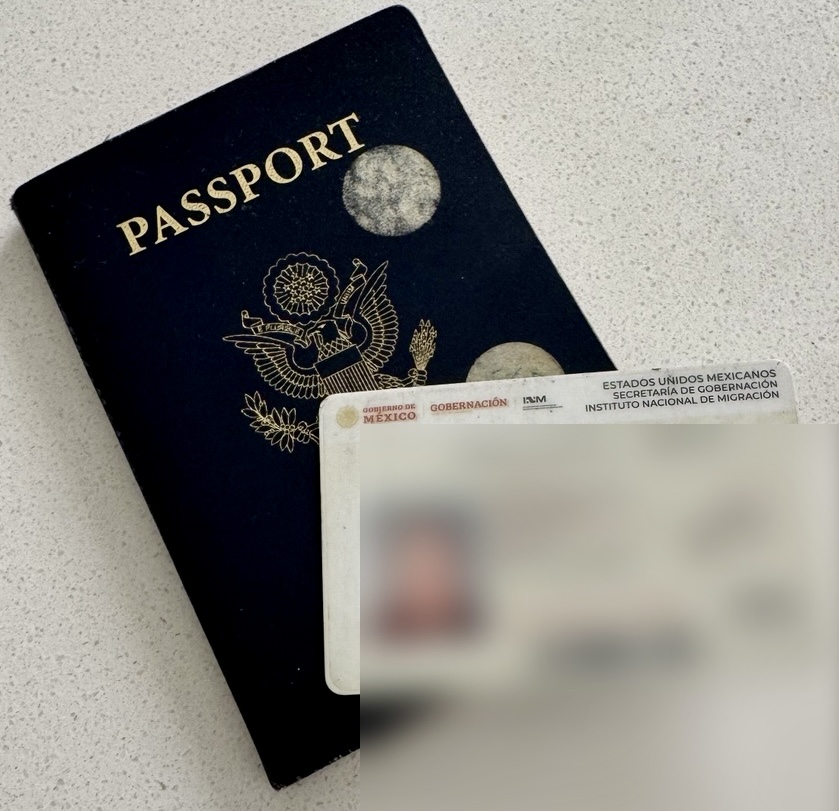
To live in Mexico long-term, immigrants/expats typically need a residency visa. Some people travel back and forth from the U.S. and rely on the standard 180-day tourist entry instead. The downside: the number of days you actually get is up to the discretion of the officer stamping your passport, so you can easily end up with less than 180 days.
This is the most common starting point for new arrivals, it covers stays of up to four years and requires you to demonstrate financial solvency through savings or income.
Meant for those settling in Mexico for good, permanent residency carries almost every right Mexican citizens have, with the single exception of voting.
Marriage or a long-term partnership with a Mexican citizen or legal resident opens a separate path to residency, one that skips the standard income and savings thresholds entirely. Since Mexico has recognized same-sex marriage nationwide since 2022, this option is open to LGBTQ+ couples on exactly the same terms as straight couples. You’ll typically need a marriage certificate or proof of a civil partnership, plus documentation of your partner’s Mexican residency or citizenship. Exactly what’s accepted varies consulate to consulate, so it’s worth calling ahead to confirm.
A job offer from a Mexican employer is the standard path to a work visa. It’s less common among the LGBTQ+ immigrants/expats I know, most of whom keep their income flowing from abroad and qualify through temporary or permanent residency instead.
These thresholds move with exchange rates and differ from consulate to consulate, so use them as a ballpark rather than a guarantee — always verify directly with the consulate handling your application.
| Visa Type | Savings (12-month avg. ending balance) | Monthly Income / Retirement |
|---|---|---|
| Temporary Residency | $74,500–$87,599 USD / $98,000–$112,500 CDN | $4,500–$5,250 USD / $5,800–$6,750 CDN |
| Permanent Residency | $280,000–$350,000 USD / $350,000–$450,000 CDN | $7,200–$8,750 USD / $9,800–$11,250 CDN |
The process kicks off at a Mexican consulate back in the U.S. or Canada, where you’ll need financial statements, ID, and your passport in hand. Not all consulates operate the same way, appointment availability and document requirements can vary quite a bit from one office to the next.
The San Francisco consulate, where I was living at the time, was nearly impossible to deal with, no appointments available and no response to emails. I ended up booking with the Orlando consulate instead, timed around a holiday visit to see family. Since I only had two weeks in Florida and didn’t want to risk having to redo anything, I over-prepared my financial documents, bringing more than I probably needed. The appointment itself went smoothly: barely any wait, and the consulate associate, who spoke excellent English, told me I’d brought too much paperwork and just summarized what she needed. The whole thing took about 20 minutes, I was approved on the spot, and I picked up my visa later that same day.
I was approved on the spot, and I picked up my visa later that same day.
With your visa in hand, it’s time to head to Mexico but you’ll need a few more steps to secure your residency card.
If you go the temporary route, plan on renewing it every year at first, though after year one, you can extend the renewal period to cover up to three years at a time. Four years in, you have the option to convert to permanent residency, and that switch is usually easier than the original application, with a noticeably lighter paperwork load.
One question I get from almost every new arrival: do I really need a Mexican bank account? The short answer is yes, and sooner than you think. Many government offices, utility providers, and local services only accept Mexican credit or debit cards — trying to pay a CFE bill or a government fee with a foreign card often isn’t an option. Having a local account removes that friction immediately.
Beyond the practical day-to-day uses, there are real financial advantages too. Mexican savings accounts currently pay roughly double the interest rates you’d find in the U.S., which makes parking money here genuinely worthwhile. It also gives you a straightforward way to transfer funds from your U.S. account — services like Wise make that easy and low-cost. And since Mexico doesn’t use the U.S. credit tracking system, opening a Mexican bank account and using a local credit card is how you start building a credit history here from scratch.
If you want a simpler path in, fintech companies like Nu (Nubank) operate in Mexico with less cumbersome requirements and allow you to open an account entirely online — a good option while you’re still waiting on some of the documentation traditional banks require.
Popular banks among immigrants/expats include BBVA, Santander, Banorte, HSBC, and Citibanamex. Look for a branch with English-speaking staff if you’re not yet confident in Spanish — it makes the account-opening process and ongoing banking significantly easier.
What you’ll need to open an account:
One practical tip: get a local SIM card before your bank appointment. Most banks require a Mexican number to complete the account setup, and you won’t be able to finish the process without one.
This is hands-down one of the questions I get asked the most, and it’s also one people get wrong the most often. The short version: taxes generally follow where you work, not where you live. Get a paycheck from a Mexican employer, and Mexico expects its cut. Stay on a U.S. company’s payroll while you’re sitting in a Guadalajara coffee shop, and the IRS still wants its share, just like it always did.
That’s the simple version, and it doesn’t hold up under every circumstance. Your specific obligations depend on residency status, how many days you actually spend in each country, your citizenship, and whatever treaty (if any) exists between Mexico and your home country. U.S. citizens have it especially complicated, since Uncle Sam taxes worldwide income no matter where you’ve set up your life, a rule most other countries don’t impose on their citizens abroad.
My honest advice: don’t take tax guidance from immigrant/expat Facebook groups or blog posts, mine included. The rules shift, the stakes involve real money, and a mistake here can be expensive. Find a tax professional who actually knows both U.S. (or wherever you’re from) and Mexican tax law before you commit to a move.
When I arrived in Mexico, I was amazed at how far my money stretched. Life here can be incredibly affordable, but it depends heavily on your lifestyle and location. My overall living expenses in Mexico are roughly 60% less than in the U.S.
My overall living expenses in Mexico are roughly 60% less than in the U.S.
There’s a variable people tend to overlook until it bites them: the exchange rate. Mexico’s affordability relative to the U.S. or Canada isn’t fixed, it moves with the strength of your home currency. The dollar has dropped roughly 15% against the peso since I relocated, which means even if nothing locally got more expensive, my rent and grocery bills effectively did once I converted them back into dollars.
| Category | My Monthly Cost | Typical Range |
|---|---|---|
| Housing (1BR apartment) | $1,200 USD (Guadalajara) | $700–$2,500 USD depending on city |
| Utilities | ~$40 USD (up to ~$80 in hot months) | Higher in warm coastal regions |
| Internet | $35 USD | — |
| Phone (U.S. + Mexico plans) | $85 USD/month (U.S.) + $120 USD/year (Mexico) | — |
| Water (garrafones) | $15 USD | — |
| Lifestyle | Monthly Budget (USD) | Description |
|---|---|---|
| Budget | $1,500–$2,500 | A modest apartment, eating mostly at local spots, getting around by bus or bike. |
| Comfortable | $2,500–$3,500 | A nicer place, regular restaurant meals, private healthcare and a gym membership, with room for the occasional trip. |
| Higher-End | $3,500+ | High-end housing, frequent travel, dining out as the default, and premium amenities throughout. |
Moving personal items to Mexico can be costly, ranging from $5,000 to $10,000 USD. I opted to downsize significantly and made multiple trips by car, which saved me money and simplified the process. Downsizing also felt freeing, less clutter, more peace of mind. Plus, almost everything you need for a home is available in Mexico.
My one-bedroom apartment in Guadalajara costs $1,200 USD/month, which is nearer the top end of prices, but I was looking in a specific neighborhood with the amenities I wanted. By contrast, luxury rentals in beach towns like Puerto Vallarta can range from $1,500–$2,500 USD/month. Renting in less touristy areas, such as Querétaro or Mérida, can save you even more.
Most of the year, my power bills rarely exceed $40 USD/month. A couple of months a year it warms up in Guadalajara and I run the A/C often, which doubles the power bill. Paying bills at OXXO or other convenience stores is the norm here.
I use TotalPlay for fast, reliable internet at $35 USD/month, ideal for remote work. For phone service, AT&T’s unlimited plan ($85 USD/month) covers the U.S., Latin America, and Canada, while I prepaid a year of AT&T Mexico service for seamless local communication ($120 USD/year).
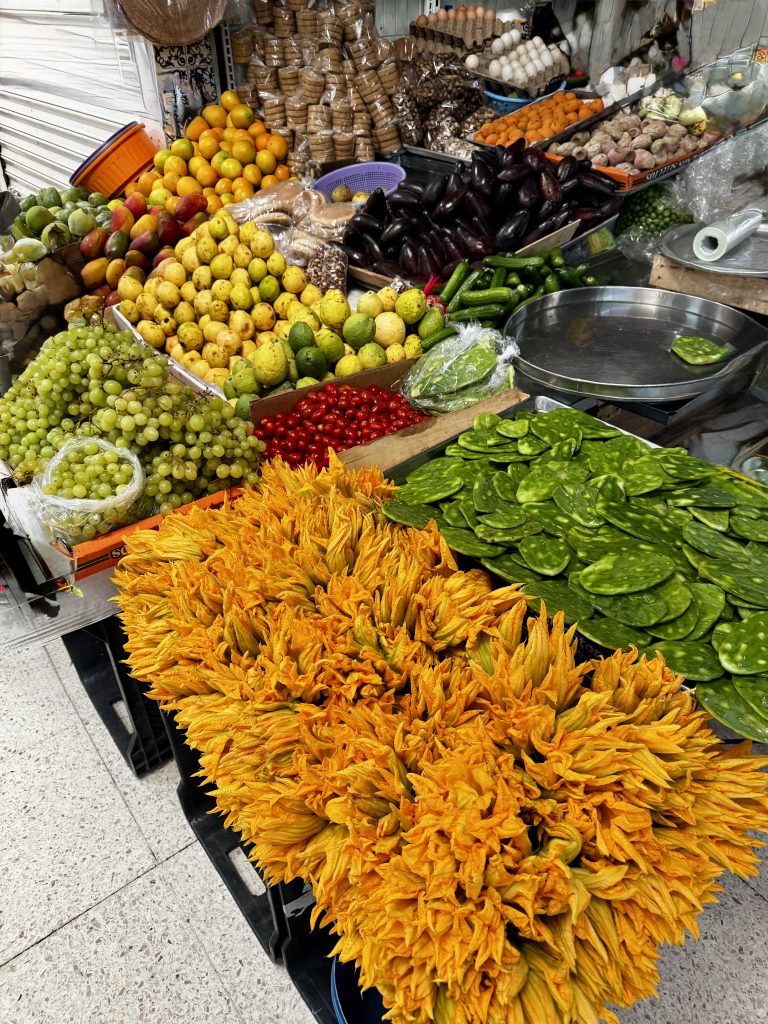
I make it to the mercado twice a week, usually rotating between two favorites in Guadalajara which are Mercado Santa Tere and Mercado Alcalde. The polleria at Santa Tere is run by a father-and-son team who always know exactly what I need before I ask, and it’s some of the freshest, best-tasting chicken I’ve ever had. Part of the fun is just wandering, I’m constantly discovering a new cheese or fruit I’d never tried before, like mamey and guanabana. Local restaurants nearby offer some of the best, most authentic food at great prices.
Pro Tip: Dining at small, locally-owned restaurants saves money, supports the community, and gives you a taste of authentic Mexican cuisine. So many mercado food vendors will give you three tacos and a drink for under $10 USD.
In most areas of Mexico, it’s advised not to drink the tap water. Water companies deliver garrafones (20-liter jugs, roughly 5 gallons). I use 4 a month, running about $250 pesos, or $15 USD.
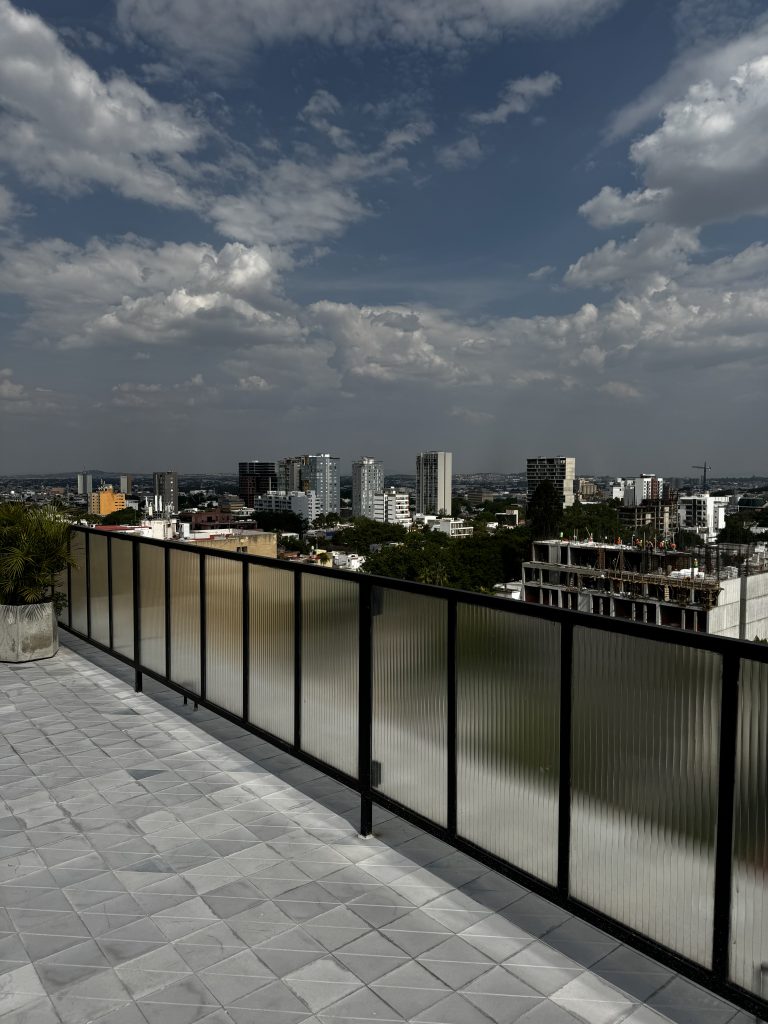
I landed on Guadalajara for a handful of reasons that added up fast: comfortable weather nearly year-round, an extremely gay-friendly reputation (locals affectionately call it “Gaydalajara”), and a food and arts scene that’s some of the best I’ve found anywhere in the country. But Guadalajara isn’t the right fit for everyone, and Mexico has no shortage of welcoming, LGBTQ+-friendly cities to choose from. I’ve put together a full breakdown of the best destinations, what each one is like, and how to figure out which one fits your lifestyle: Is It Time to Move to Mexico? — worth a read before you settle on a city.
Locals affectionately call it "Gaydalajara."
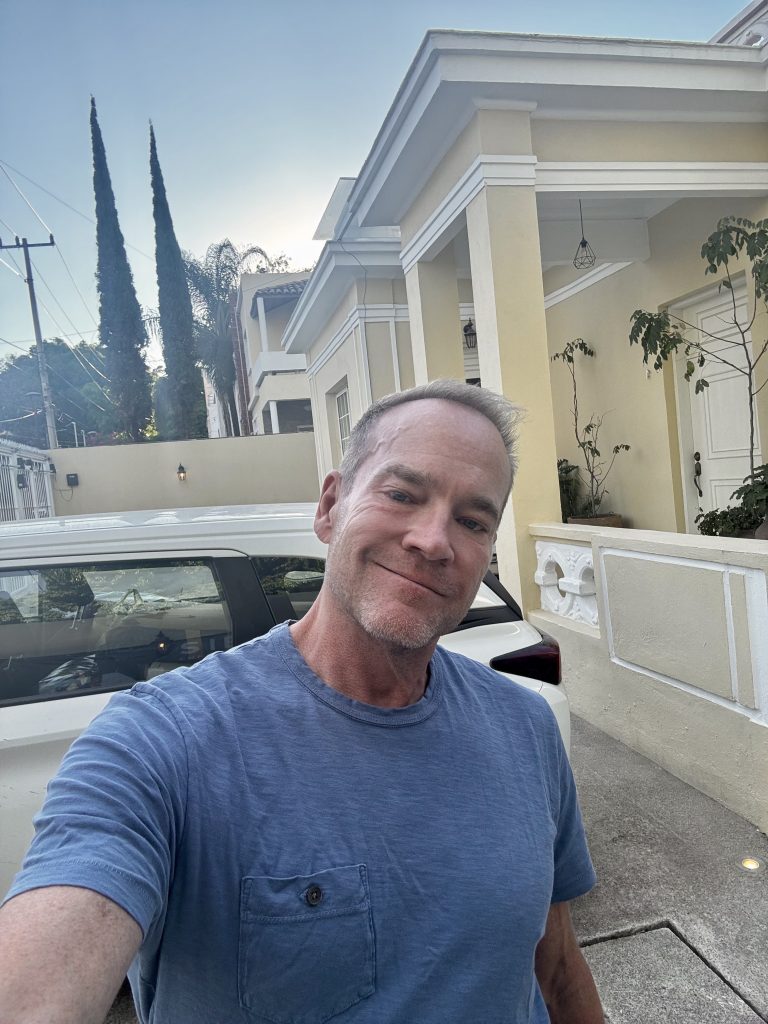
My recommendation is to always start with a short-term rental like an Airbnb. It’s by far the easiest option to lock down right away, and it gives you a home base while you look for something longer-term without the pressure of committing sight unseen.
Once you’re ready to search for a longer-term place, plan on looking online, Facebook groups and marketplace listings are a solid starting point, along with local real estate sites like inmuebles24.com as well as walking around neighborhoods you are interested in and looking “RENTA” signs.
Good apartments move fast in Mexico. I’ve lost out on a place more than once simply because I took too long to think it over, so if you find something you want, be ready to act. Holding a place usually requires a small holding fee, around 5,000 pesos, which is typically credited toward your deposit once you sign the lease.
Good apartments move fast in Mexico — if you find something you want, be ready to act.
As a foreigner, landlords will usually require a background check, which you’ll need to pay for yourself — budget around 1,200 pesos for that.
Renting in Mexico typically requires a fiador, a local co-signer who owns property in the same jurisdiction as the apartment. Most newcomers won’t have someone who meets that requirement, so landlords will usually accept a larger deposit instead, typically two months’ rent. When you sign the lease, you’ll pay that deposit plus your first month’s rent.
This process is usually conducted entirely in Spanish, often at a lawyer’s or notary’s office, so I’d recommend bringing along someone who’s Spanish-proficient if you’re not fully confident in navigating it yourself.
Power comes from CFE and is billed every two months. The account typically stays under the landlord’s name, and you can pay your bill at a local OXXO. Gas is filled on an as-needed basis through a local provider like Zeta or Vela. Water delivery (garrafones) can be set up separately, see the Cost of Living section above for what that typically runs.
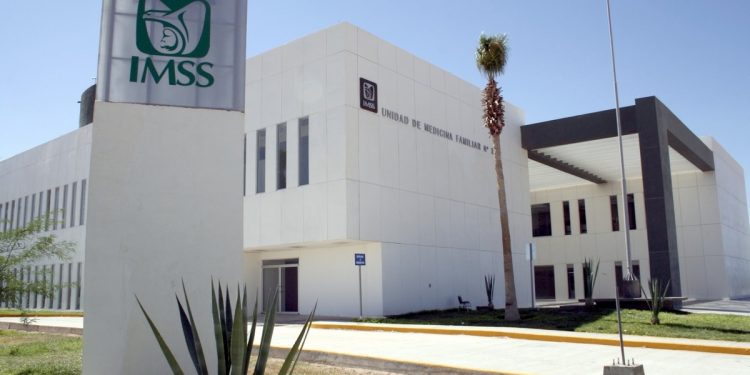
Healthcare was one of my biggest concerns before moving to Mexico, but I’ve been pleasantly surprised by both the quality and affordability of care especially in major cities.
One of the best discoveries I made early on was a private doctor who makes house calls. He’s gay, incredibly convenient, and charges around $50 USD a visit which would be astronomically more expensive back in the U.S.
Most immigrants/expats and long-term visitors rely heavily on private care. A consultation at a private clinic typically costs around $40 USD, and hospitals and clinics in cities like Guadalajara and Mexico City are modern, clean, and well-equipped. Many doctors speak English, and wait times are usually short.
Mexico does not have a single universal healthcare system thought the Federal Government has passed laws to provided Universal Healthcare starting in 2027. The details are still being worked out. Access depends on how you’re enrolled:
IMSS (Instituto Mexicano del Seguro Social) is primarily for Mexican workers and pensioners. It also offers a voluntary enrollment program for legal residents, paid annually and charged per person.
IMSS-Bienestar is a separate public program designed mainly for uninsured Mexican citizens and isn’t generally available to foreigners.
Because of these limitations, many immigrants/expats use private insurance or pay out of pocket for routine care, sometimes combining private insurance with IMSS for emergencies. Be aware that Mexican insurers can deny coverage for pre-existing conditions.
A 2026 Update From My Own Experience: Private care carried me through my first two years here, and honestly, the quality and price both exceeded what I expected, plenty of medications don’t even require a prescription. These days I’ve switched things up: I’m enrolled in a government health plan running about $145 USD a month that covers both doctor visits and prescriptions, with no extra fees tacked on. It’s been a smooth experience so far.
I'm enrolled in a government health plan running about $145 USD a month that covers both doctor visits and prescriptions, with no extra fees tacked on.
Major cities like Guadalajara and Mexico City generally offer solid access to hormone therapy and gender-affirming care. Providers and recommendations change, though, so reach out to local trans community groups before your move to get current, firsthand guidance.
Major cities make this easy with PrEP and DoxyPEP are both readily accessible, and a number of clinics provide them free or at minimal cost through public health programs, with reasonably priced private alternatives if you’d rather go that route. STI testing follows the same pattern, with rapid and free options common at many clinics. I personally use Checcos in Guadalajara, which offers excellent service and community-focused care.
Pro Tip: Major cities like Guadalajara and Mexico City have top-tier private hospitals with cutting-edge technology, making private care a reliable option for most immigrants/expats and long-term travelers.
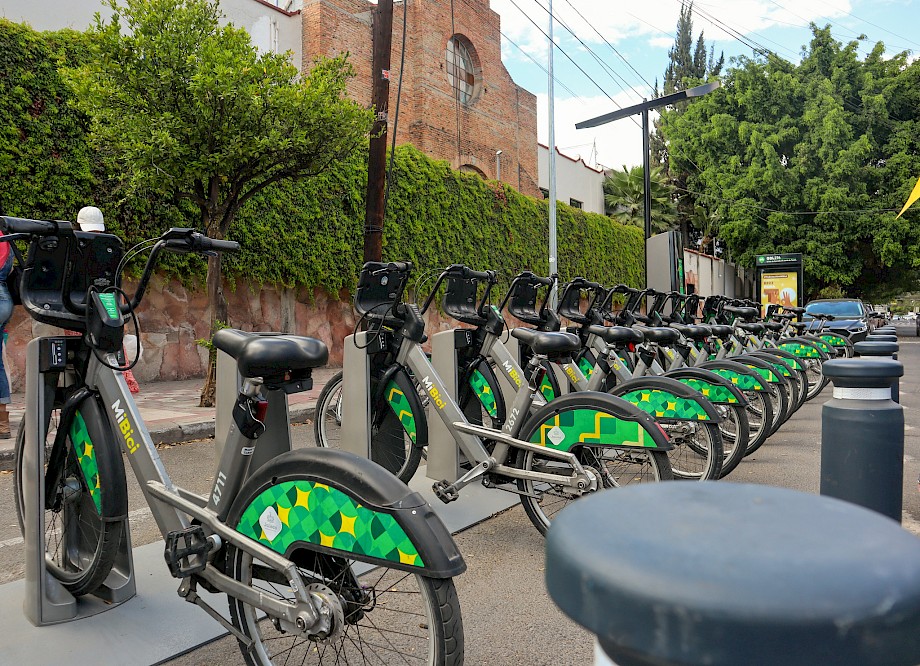
Getting around in Mexico is a diverse experience, offering everything from efficient public transportation to affordable ride-hailing services.
My day-to-day in Guadalajara relies on three things: the MiBici bike share for most trips, Uber for getting home at night or picking up groceries, and the occasional rental car when I’m heading out of the city. I skip the buses — they’re usually overcrowded — and the metro lines don’t run close to my neighborhood, so that’s rarely an option. When I do use Uber, I stick with Uber over Didi; the availability is better and the cars generally are too.
Cars have the right of way here, so as long as you stay out of their way, you'll be fine.
My go-to transportation choice in Guadalajara is the MiBici bike share program. My annual membership is around $22, with no additional charges if each trip stays under 30 minutes. Most major Mexican cities have bike share programs — one of the largest in Latin America is Ecobici in Mexico City.
Pro Tip: Drivers have the right of way in Mexico, so be cautious when biking.
A popular, inexpensive way to get around urban areas. In cities like Mexico City, Guadalajara, and Monterrey, buses are frequent, but routes can be tricky for newcomers to navigate — and in my experience, they’re often overcrowded. Fares range from $0.30–$0.60 USD per ride.
Pro Tip: Ask locals or consult Google Maps to understand routes, and always carry small change for fares.
Mexico City has a world-class metro system with extensive coverage and fares as low as $0.25 USD per ride. Monterrey and Guadalajara also have affordable, reliable metro or light rail systems, though coverage varies by neighborhood.
A popular option in smaller cities and rural areas. They run fixed routes and are cheaper than taxis — look for signs on the windshield indicating their destination.
Uber and Didi are widely available in major cities and tourist areas. I use Uber over Didi — the availability is better and the cars generally are too. Both offer affordable, safe rides at prices lower than traditional taxis.
Pro Tip: Use Uber for late-night travel or when navigating unfamiliar areas.
Street taxis are plentiful but often lack meters, so negotiate fares upfront. They’re more common in smaller towns and gradually being replaced by ride-hailing apps in cities.
A recent court ruling opened Mexican airports to ride-share pickups, though local jurisdictions are still working through implementation. At Mexico City’s airport, ride-shares can now pick up directly at the terminal. Guadalajara recently built a dedicated lot with free transport connecting it to the terminal — which is a genuine improvement, since taxi lines at GDL airport have regularly run over an hour. At airports where ride-shares aren’t yet fully integrated, look for official taxi stands inside the terminal.
All the major U.S. rental car brands operate in Mexico, and the rates you’re quoted are often very attractive. The catch: they almost never include insurance, and Third Party Liability coverage is mandatory here. Your U.S. or Canadian auto insurance typically doesn’t cover you in Mexico either, so you’ll need to add coverage through the rental company — which usually doubles the cost of the rental. It’s worth it though, because if you decline coverage and damage the car, they’ll charge you on the spot at return. I learned this recently when a scuffed rim I hadn’t even noticed ended up costing me $250 at checkout.
Learning Spanish transforms your experience in Mexico, enhancing daily life, cultural immersion, and personal connections. While many Mexicans in tourist areas speak some English, knowing Spanish allows for smoother navigation of everyday tasks like grocery shopping or asking for directions. It also shows respect and effort, fostering deeper relationships with locals. I started with an online tutor, took a couple of classes locally in Guadalajara, and now work with an in-person tutor.
One running joke: every time I order a limonada, the waiter has no idea what I’m saying, and I end up repeating myself two or three times before it lands. That’s pretty much par for the course with my Spanish.
My own journey started three years ago with an online tutor from Mexico City — she was excellent at building the foundations: grammar, conjugations, the structural stuff that’s easy to skip but impossible to fake later. When I arrived in Guadalajara, I did a two-week immersion course, which was a lot — genuinely exhausting — but it pushed my pronunciation further than months of online sessions had. About a year and a half ago I switched to in-person tutoring, twice a week with a local tutor who, it turns out, teaches a good chunk of my gay friend group here. There’s something that feels very Guadalajara about that. I also do Duolingo every morning and try to use Spanish in every real interaction I can. Two and a half years in, I’m still very much a work in progress — but the limonada situation is slowly improving.
Two and a half years in, I'm still very much a work in progress — but the limonada situation is slowly improving.
1. Start with basic resources: Apps like Duolingo, Babbel, and Anki flashcards are ideal for building foundational vocabulary. Transition to local Spanish classes, such as those offered by IMAC in Guadalajara or Instituto de Español de Puerto Vallarta, for structured learning and networking with other immigrants/expats.
2. Practice daily with locals: Use simple phrases in everyday interactions, like greeting neighbors or ordering at a market. Focus on practical vocabulary such as “¿Cuánto cuesta?” (How much does it cost?), and immerse yourself in Spanish media — watch Mexican TV, listen to podcasts, and read local headlines.
Fear of mistakes is natural, but Mexicans are patient and supportive of your efforts, laughing at errors can even serve as an icebreaker. Regional slang (e.g., *chido* for “cool” or *¿Qué onda?* for “What’s up?”) and the fast pace of conversation may feel daunting. Politely ask locals to slow down or explain unfamiliar phrases. Active listening and consistent practice build confidence over time.
Pro Tips for Success: Set realistic goals, like learning 5–10 new words daily, and celebrate small wins, like completing your first full conversation. Join conversation groups or language exchanges to practice regularly and avoid over-relying on English.
Adapting to Mexican culture has been one of the most rewarding aspects of my move. The slower pace of life, deep-rooted traditions, and strong sense of community have taught me invaluable lessons about connection, patience, and perspective.
Family-Oriented Society: In Mexico, family ties are deeply valued and often take precedence over work or social commitments. Large family gatherings are common, often featuring laughter, music, and incredible homemade food.
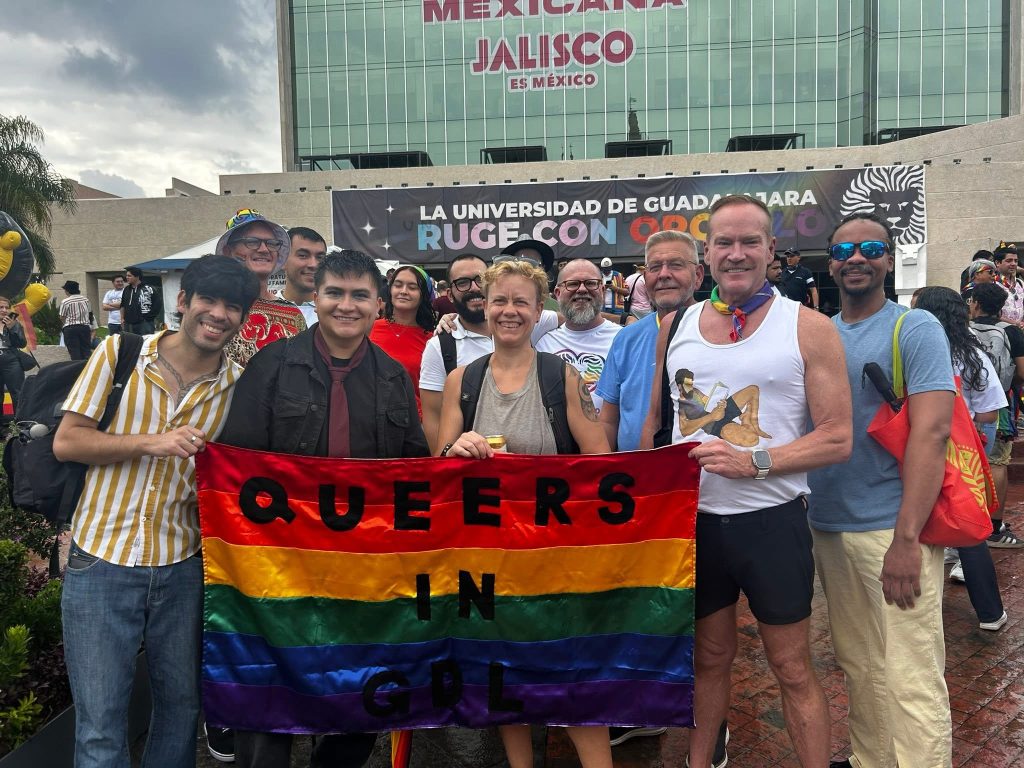
Most of my own friends in Guadalajara are gay, and they’ve become something close to chosen family. I first connected with many of them through Queers in Guadalajara, a group that meets up most Sundays. What started as casual meetups has turned into some of my closest friendships here.
Being invited to family events: If you’re invited to a family gathering, accept! It’s a sign of trust and inclusion.
Role of extended family: It’s not uncommon for multiple generations to live under one roof or nearby. When you meet a Mexican man, it’s highly likely he lives at home with family. Elders are highly respected and often play an integral role in decision-making.
Pro Tip: At a family gathering, it’s customary to greet everyone individually with a handshake, hug, or kiss on the cheek, depending on familiarity.
“Mexican Time”:The concept reflects a more relaxed approach to punctuality — plans often start later than scheduled.
I learned this the hard way when I started dating here. Back in the U.S., 8pm meant 8pm but in Guadalajara, I quickly found out it’s more of a suggestion. After getting frustrated and genuinely annoyed a few times waiting on dates who showed up late, I changed my approach: I just ask them to text me when they’re leaving home. That way I’m not standing around waiting in the dark wondering if they’re actually coming.
I just ask them to text me when they're leaving home.
This cultural trait taught me to be more flexible and patient. It’s not about disrespect but about prioritizing relationships and enjoying the moment frustrating at times, but easier to adapt to than to fight.
For social events, expect a buffer of 30 minutes to an hour; arriving too early might catch your host unprepared. For professional settings, punctuality is more expected, though slight delays are still common.
Pro Tip: If timing is critical, clarify by asking “¿Es a las 7 en punto?” (Is it at 7 sharp?).
Social Customs and Politeness: Simple courtesies like “gracias,” “por favor,” and “buenos días” are highly valued. A handshake is common for first meetings, while a kiss on the cheek is customary for closer friends or family; men may pat each other on the back as part of a handshake. Greet and say goodbye to people individually rather than offering a general hello or wave.
Pro Tip: Avoid skipping greetings and goodbyes — it’s seen as rude or dismissive.
The Importance of Hospitality: Mexicans are famously hospitable. If you visit someone’s home, you’ll often be offered food, drinks, or even gifts. Declining can be perceived as impolite, so accept with gratitude even if it’s something small.
Pro Tip: If invited to someone’s home, bring a small gift like flowers, wine, or dessert.
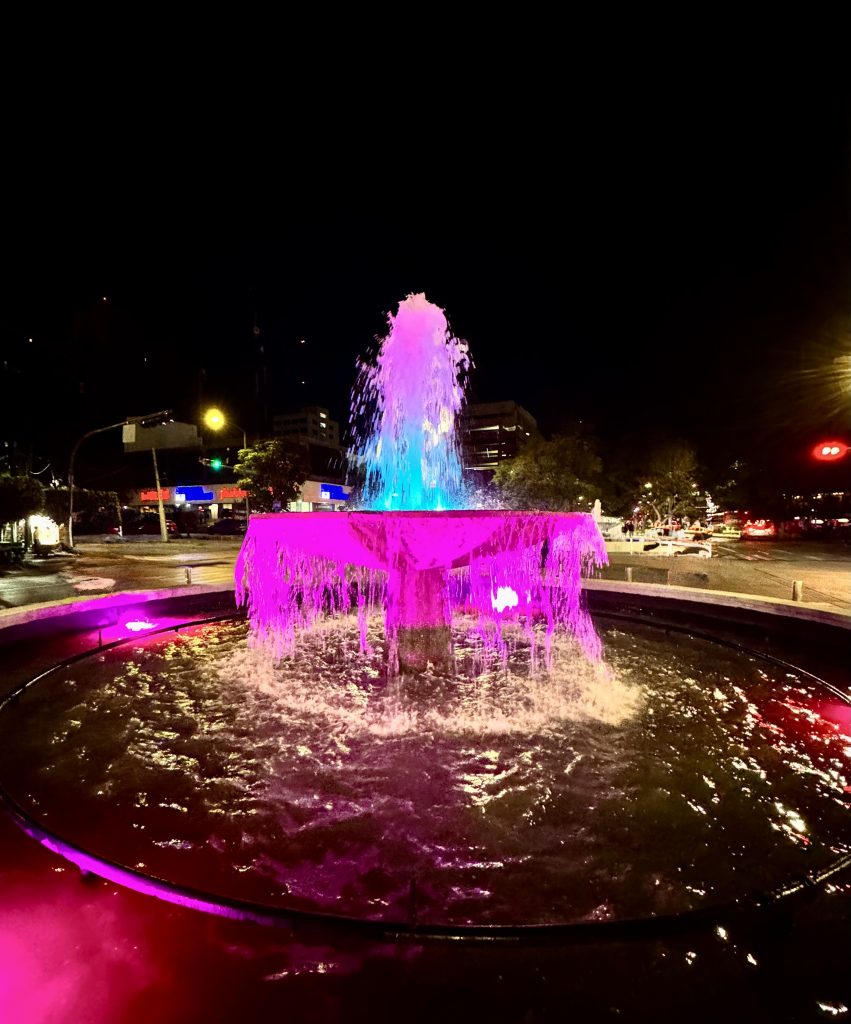
Safety was a significant concern before I moved, especially as a member of the gay community. With proper precautions and awareness, I’ve found Mexico can be a welcoming and safe place for immigrants/expats, including gay individuals.
I’ve traveled across the globe and feel pretty adept at avoiding trouble, so my “most dangerous” moment in Mexico says a lot about how safe daily life actually feels here: I accidentally slammed an Uber driver’s door a little too hard getting out, and he got genuinely angry and started yelling at me. All I could do was repeat “lo siento” over and over until he calmed down.
I accidentally slammed an Uber driver's door a little too hard getting out, and he got genuinely angry and started yelling at me.
Crime Trends: Crime rates in Mexico vary widely by region. Some states face challenges related to organized crime, while others like Yucatán rank among the safest areas in Latin America. Mérida, the capital of Yucatán, has a homicide rate comparable to European countries like Switzerland. Tourist destinations such as Puerto Vallarta, Mexico City, and Tulum are relatively safe and take measures to protect visitors due to their economic importance. According to World Population Review’s most recent safety ranking, Mexico sits five places below the United States.
I dug deeper into the numbers behind that perception gap (state-level violence vs. what tourists actually experience) in a separate breakdown if you want the full picture: Is Mexico Safe? The Statistics Your Travel Warning Isn’t Telling You.
LGBTQ+ Rights and Safety: Mexico is increasingly gay-friendly, with same-sex marriage legal in all 32 states as of 2022. Many major cities, like Mexico City and Guadalajara, have vibrant gay communities and pride events. Despite progress, acceptance varies by region. Urban areas and tourist hubs tend to be more open-minded, while smaller towns or rural regions may hold more conservative attitudes. Keep in mind that what’s legal on paper doesn’t always match the mood on the street in a given town, so it’s worth glancing at the U.S. State Department’s state-by-state travel advisories too. Safety can shift noticeably even between regions of the same country.
General Safety Tips:
Gay Safety Tips:
✅ Finish your residency process at the Instituto Nacional de Migración (INM), where you’ll receive your residency card. Make an appointment in advance and bring proof of address (a utility bill usually works, though some offices want it in your own name and others don’t. It is worth confirming with your local INM ahead of time).
✅ Request an RFC (Mexican tax ID number) at your local SAT office. You’ll need it to open a bank account, buy a car, and apply for IMSS. Book an appointment in advance.
✅ Open a Mexican bank account. You’ll need your CURP, RFC, Mexican phone number, and address.
✅ Start looking for an apartment: check Facebook Marketplace or Inmuebles24.com for listings, and walk your desired neighborhood for rental signs.
✅ Build a network: join Facebook groups such as “Queers in Guadalajara” which is a great resource there, and every major Mexican city has several LGBTQ+ groups. Pride events and local meetups are also great ways to build community. Guadalajara and Mexico City host some of the largest pride parades in Latin America.
I share where to stay, where to go and what it’s really like travelling to Mexico as an LGBTQ+ traveler based on real experiences on the ground.
You’ll need a Temporary Resident Visa (good for up to 4 years) or a Permanent Resident Visa. The right one depends on income, length of stay, and personal circumstances. Begin the process at a Mexican consulate in your home country.
Costs vary by lifestyle and location. Budget at least $5,000–$10,000 USD for moving expenses like visa fees, housing deposits, and transportation. Monthly living expenses can range from $2,500–$5,000 USD depending on your lifestyle and city.
Yes, many areas are safe. Research neighborhoods carefully, avoid risky areas, and use common sense. Cities like Guadalajara, Mérida, and parts of Mexico City are popular with immigrants/expats for their safety and amenities.
Yes. Marriage or a long-term partnership with a Mexican citizen or legal resident can qualify you for residency without meeting the usual income or savings thresholds. This applies equally to LGBTQ+ couples, since Mexico has recognized same-sex marriage nationwide since 2022. The exact documentation required differs by consulate, so check with the specific office where you’ll apply.
It depends mostly on where your income comes from, not where you’re living. Work for a Mexican employer, and Mexico taxes that income. Stay on a foreign company’s payroll, and you’ll typically keep paying taxes wherever that income is sourced. U.S. citizens face an extra wrinkle since the IRS taxes worldwide income regardless of residency. Because the details vary so much by situation, talk to a tax professional familiar with both Mexican and your home country’s tax rules before you commit to anything.
Yes, many immigrants/expats do. Check tax implications for both the U.S. and Mexico, and consult a tax professional.
You’ll need a Temporary or Permanent Resident Visa, proof of address (a utility bill works and doesn’t need to be in your name, just recent and showing the correct address), an RFC, and a Mexican phone number. Popular banks for immigrants/expats include Santander, BBVA, and Banorte.
You can get by in tourist areas with limited Spanish, but learning the language greatly enhances your experience. Start with basic phrases and build skills through apps, classes, and daily practice.
Mexico offers high-quality, affordable healthcare. Private clinics and hospitals are modern and accessible, while the public IMSS system provides basic care for residents. Many immigrants/expats combine private insurance with IMSS for comprehensive coverage. I personally enrolled in a government plan that runs about $145 USD/month and covers doctor visits and medications with no extra out-of-pocket costs.
Start with short-term rentals through Airbnb while exploring neighborhoods. Long-term rentals can be found on Facebook groups, local real estate sites, or by walking around and noting rental signs. Negotiating rent is common.
Yes, but you’ll need to comply with Mexican import regulations:
Join immigrant/expat Facebook groups, attend local events like farmers’ markets and art fairs, or volunteer with charities. Taking language classes is also a great way to connect with locals and other immigrants/expats.
Visit your local Secretaría de Movilidad y Transporte (SEMOVI) or equivalent office with your Temporary or Permanent Resident Visa, CURP, proof of address, and valid ID — some states may also require your RFC or foreign driver’s license. You’ll typically need to pass a vision test, a written exam on traffic laws, and a practical driving test, unless your foreign license can be exchanged. Costs range from $20–$50 USD depending on the state and license validity (1–5 years), and the process is usually completed in one day.
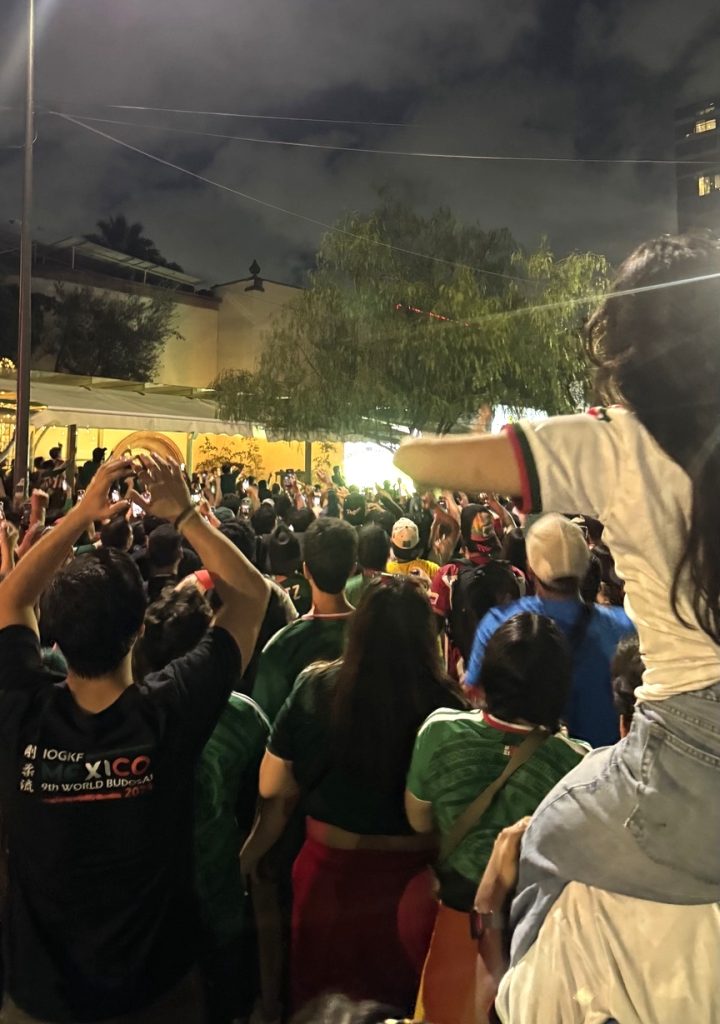
Not long ago, I went out to watch Mexico take on South Korea during the World Cup. The energy in the bar was electric — strangers high-fiving, the whole place erupting at every near-miss. Somewhere in the middle of that match, it hit me how much emotion I felt watching this team, this country. I realized I was proud to be part of it, in whatever way an immigrant gets to be part of a place that’s become home.
I realized I was proud to be part of it, in whatever way an immigrant gets to be part of a place that's become home.
Moving to Mexico has been one of the most enriching experiences of my life. While challenges like navigating bureaucracy or adapting to cultural differences exist, they’re far outweighed by the warmth of the people, rich culture, and incredible quality of life.
Whether you’re sipping coffee in a sunlit plaza, exploring vibrant mercados, or hiking through lush jungles, Mexico offers endless opportunities for adventure and personal growth. With preparation and an open mind, you’ll soon see why so many immigrants/expats call this beautiful country home.
What excites you most about moving to Mexico? Let me know in the comments, or reach out with your questions — I’m here to help.
About the Author
Tim is a seasoned travel writer and the creator of Out in Mexico, a dedicated resource for gay travelers exploring Mexico’s vibrant destinations. After relocating to Guadalajara, he has spent years immersing himself in Mexico’s gay culture, from the iconic beaches of Puerto Vallarta to the nightlife of Mexico City.
With firsthand experience in Mexico’s gay scene, Tim has personally visited the bars, hotels, and events featured in this guide. His insights have helped gay travelers plan unforgettable trips while ensuring they feel safe, welcomed, and informed.
When he’s not writing, you’ll find him sipping a mezcal cocktail at a bar in Guadalajara or travel to a new exciting destination in Mexico.
📍 Follow his adventures: @i.am.out.in.mexico
I share where to stay, where to go and what it’s really like travelling to Mexico as an LGBTQ+ traveler based on real experiences on the ground.
Gay-Friendly Bars, Restaurants, Culture
Local Tips You Won’t find on Google
Delivered straight to your Inbox twice a month

One reply on “Moving to Mexico: A Gay-Friendly Relocation Guide”
Great website full of helpful information; much appreciated. As someone looking to find an apartment in GDL and also to get permanent residency, specific info on who to turn to (trusted realtors, lawyers for negotiating lease contract) for the latter would be helpful.