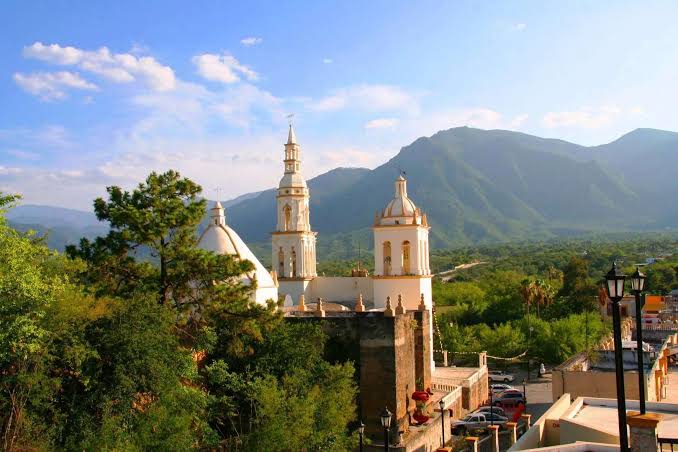
Monterrey might not be the first place that comes to mind for LGBTQ+ travel in Mexico, but after spending time here, it’s clear the city has more going on than most people expect. Set against a dramatic mountain backdrop, Monterrey blends modern business districts, strong food culture, and a small but evolving queer scene. It’s not overwhelming like Mexico City—and that’s part of the appeal. What exists here feels intentional, local, and worth seeking out.
Whether you’re coming for the food, culture, or nightlife, Monterrey works best when you approach it with curiosity. This is a city where you’ll spend your mornings in cafés and museums, your afternoons exploring nearby nature or San Pedro, and your nights discovering a growing LGBTQ+ scene that’s still a bit under the radar.
Table of Contents
ToggleMonterrey is one of the easiest cities in northern Mexico to reach, with strong flight connections from both within Mexico and the United States.
The main airport is Monterrey International Airport (MTY), located about 30–40 minutes from the city center depending on traffic.
From within Mexico, you’ll find frequent direct flights from Mexico City, Guadalajara, Puerto Vallarta, and Tijuana. From the U.S., there are regular nonstop flights from cities like Houston, Dallas, Miami, and Los Angeles.
While flying is the most practical option, Monterrey is also accessible by long-distance bus from cities across northern and central Mexico, though travel times can be long.
Getting from the airport to your hotel is straightforward, but you’ll want to plan ahead—especially if you’re arriving late.
Taxis are readily available outside arrivals and offer a more straightforward (though typically more expensive) option.
Some hotels—especially higher-end stays in San Pedro—offer private transfers, which can be worth arranging if you want a seamless arrival.
Uber does operate in Monterrey, including from the airport, though pickup areas can vary. In most cases, it’s easiest to request your ride once you exit the terminal.
Expect to pay roughly $15–30 USD depending on your destination and traffic.
Monterrey is a large, spread-out city, and getting around requires a bit of planning.
Uber is by far the easiest and most reliable way to move around. It’s affordable, widely available, and generally safe, making it the best option for most travelers—especially when going out at night.
If you’re staying in San Pedro, many restaurants, bars, and shopping areas are relatively close together, but you’ll still likely rely on rides for convenience.
Walking is limited to certain areas (like parts of San Pedro or Barrio Antiguo), but Monterrey is not a particularly walkable city overall.
Public transportation exists, including buses and a metro system, but it’s not especially useful for most visitors.
If you’re planning day trips (like Chipinque or Cola de Caballo), renting a car can be helpful—but for a typical 2–3 day visit, Uber will cover almost everything you need.
Most travelers will want to base themselves in either Barrio Antiguo/Centro or San Pedro Garza García depending on your priorities.
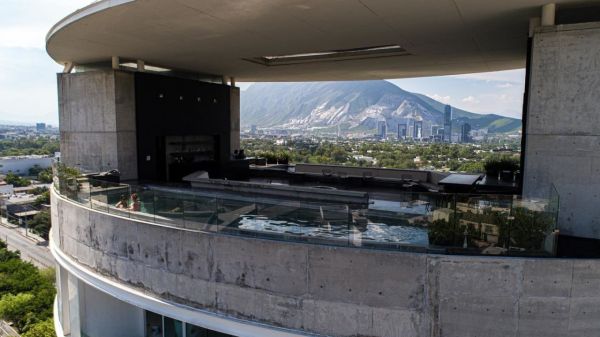
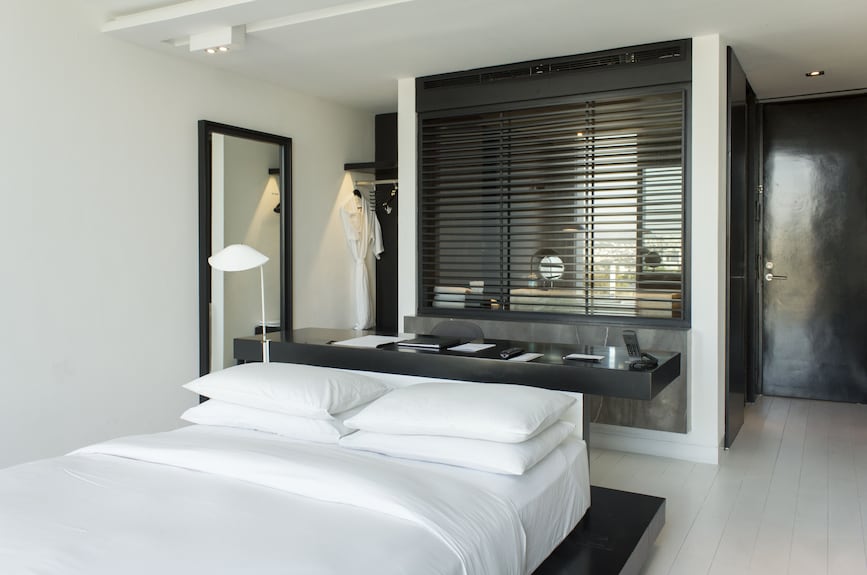
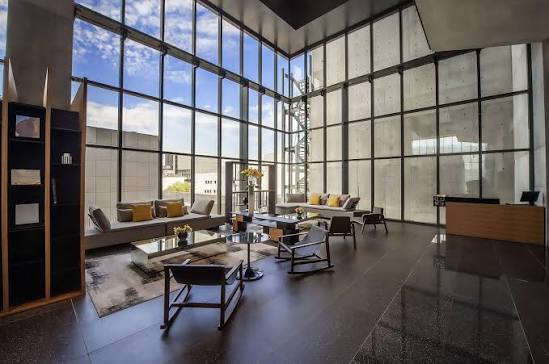
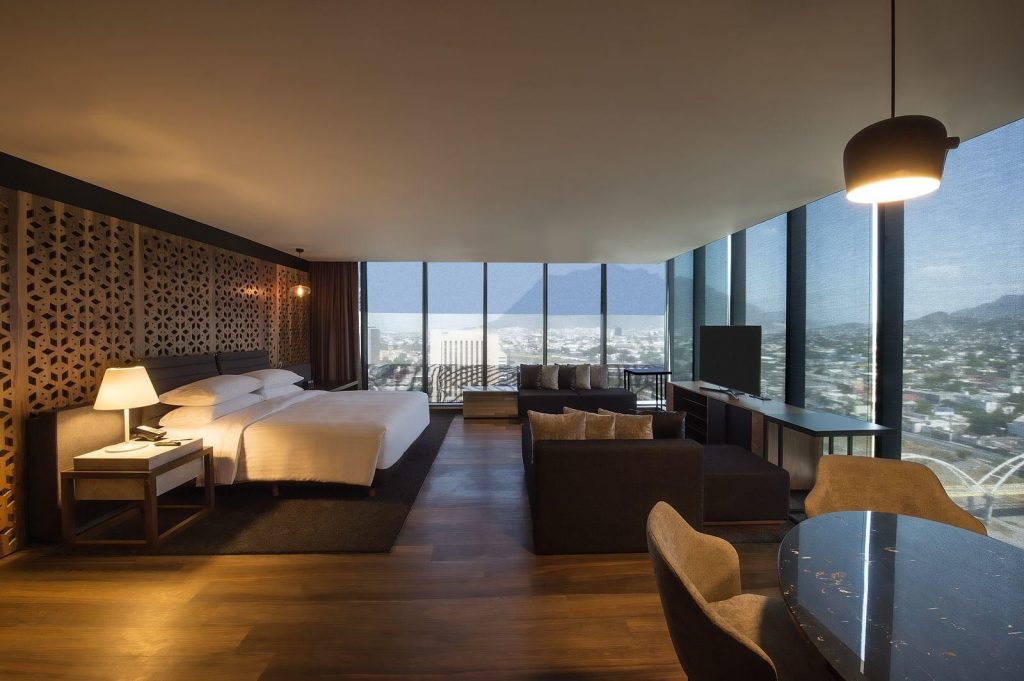
Habita Monterrey in San Pedro is easily one of the most design-forward stays in the area. It leans boutique, with clean lines, a rooftop pool, and a social atmosphere that attracts a stylish crowd. The location is ideal if you want to be close to Monterrey’s best restaurants and higher-end shopping.
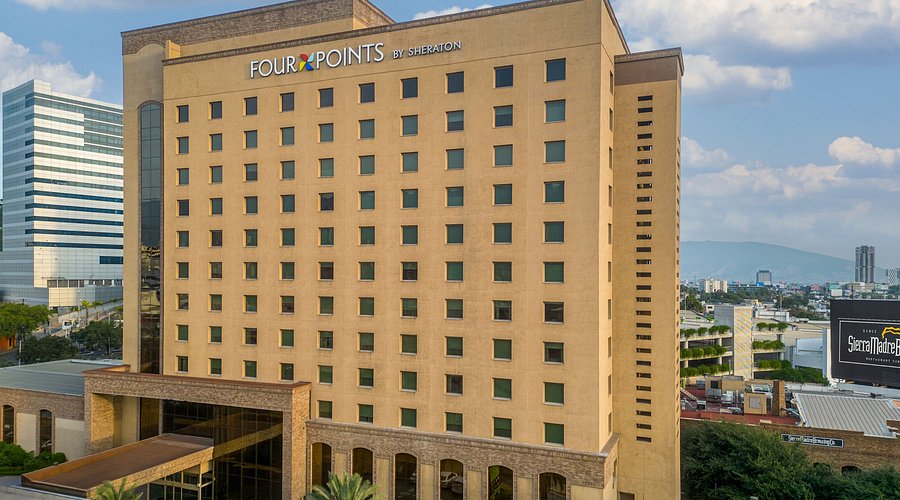
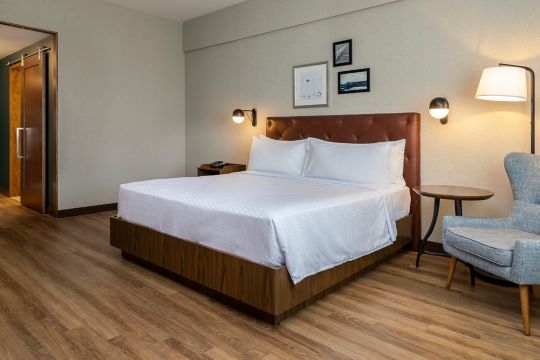
Four Points by Sheraton Monterrey offers a more straightforward, comfortable stay. It’s reliable, well-located, and a good option if you want something easy without sacrificing quality.
Fiesta Americana Monterrey Pabellón is another solid choice, especially if you want to stay central. It’s connected to shopping and dining, making it convenient for a short visit or first-time trip.
Monterrey’s food scene is deeply rooted in its love of meat, bold flavors, and generous portions. If you lean into that, you’ll eat very well—but there’s also a growing mix of more contemporary spots that bring in strong cocktails, natural wines, and a slightly more curated dining experience.
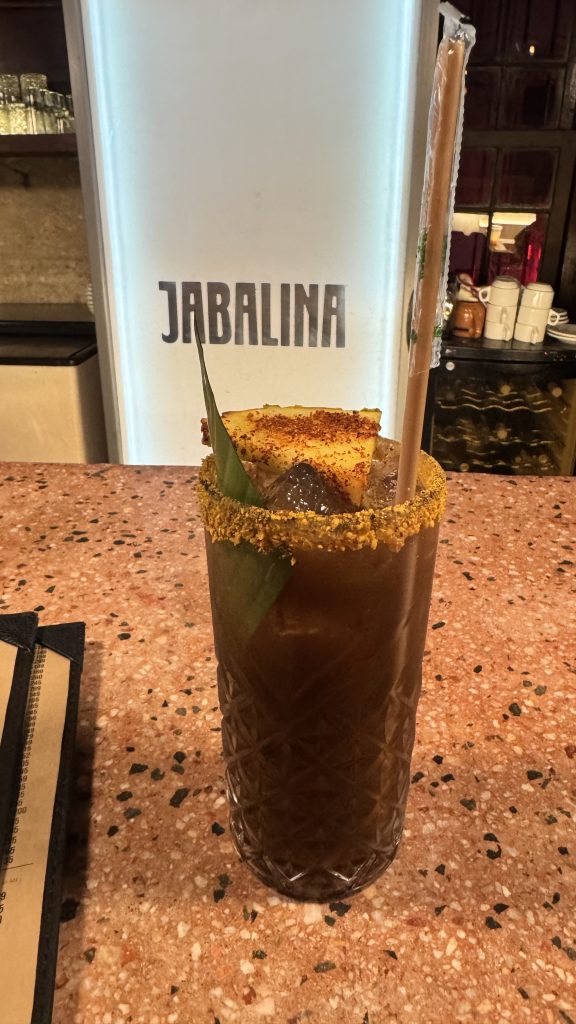
Jabalina is one of the best introductions to modern norteño cuisine. The rib eye tacos are a standout, and the elote with bone marrow is the kind of dish you’ll remember long after your trip. The cocktails are just as strong, making it a great place to settle in for the night.
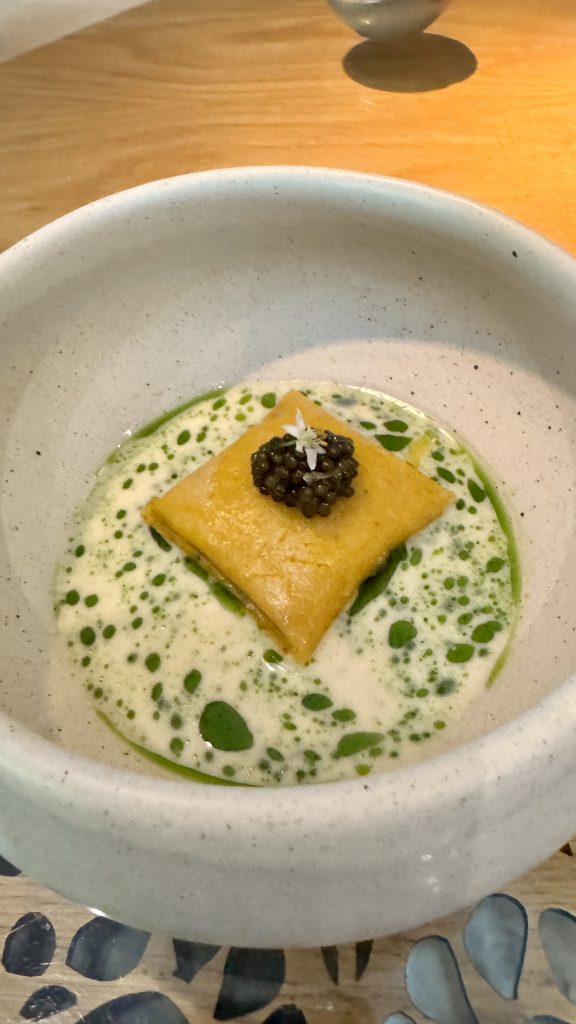
Pangea in San Pedro delivers a more elevated dining experience. As one of the most celebrated restaurants in Monterrey, it offers a refined, contemporary take on regional cuisine. Expect thoughtful presentations, excellent service, and dishes that reinterpret local ingredients in a sophisticated way.
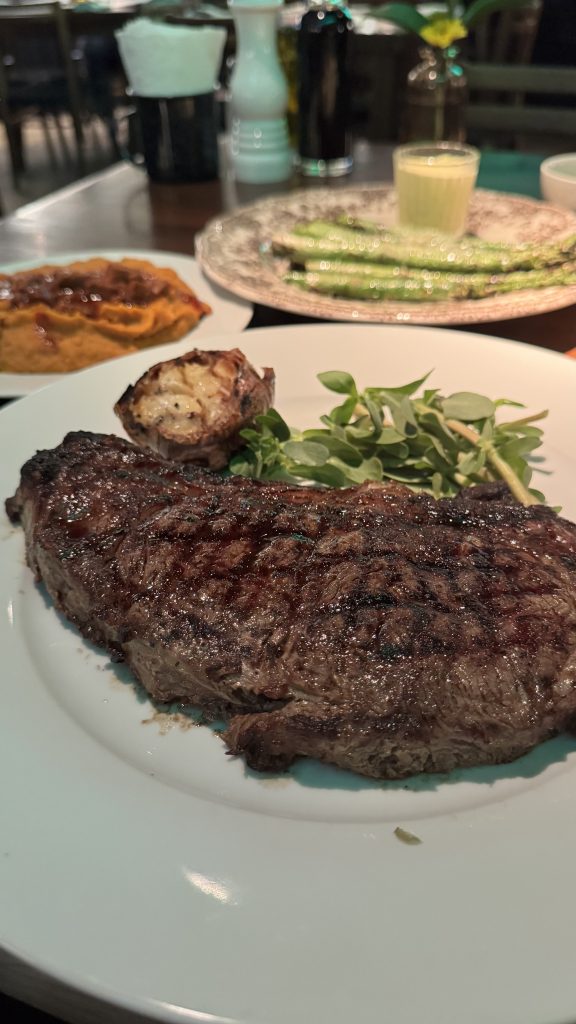
La Nacional is a classic Monterrey steakhouse experience. White tablecloths, strong wine list, and perfectly cooked cuts—it’s traditional in the best way and a must if you want to understand the city’s food culture.
Pinto Bar is a great stop if you’re looking for drinks with a bit of atmosphere. The space leans dark and wood-paneled, with a playlist that moves between The Strokes and Stevie Wonder, giving it a relaxed but intentional vibe. The menu highlights agave spirits—mezcal and tequila—but also goes deeper with options like bacanora and sotol, alongside cocktails and natural wines. If you’re hungry, the Pinto potatoes (extra-thin fries with chile, lemon, and Parmesan) are an easy order, or go for the hamburguesa aplastada, a smash burger that leans indulgent in the best way.
Restaurante San Carlos is where you go for a more traditional Monterrey experience—especially if cabrito is on your list. This long-running, family-operated spot specializes in grilled baby goat, cooked slowly on a vertical grill that’s visible from the dining room. Beyond cabrito, the rib-eye aguja is a standout, served with flour tortillas, beans, totopos, and a range of sauces. It’s classic, satisfying, and very much rooted in the region’s culinary identity.
For a more casual start to your day, Belmonte Café and Libros Café are both great morning stops for coffee and a relaxed atmosphere
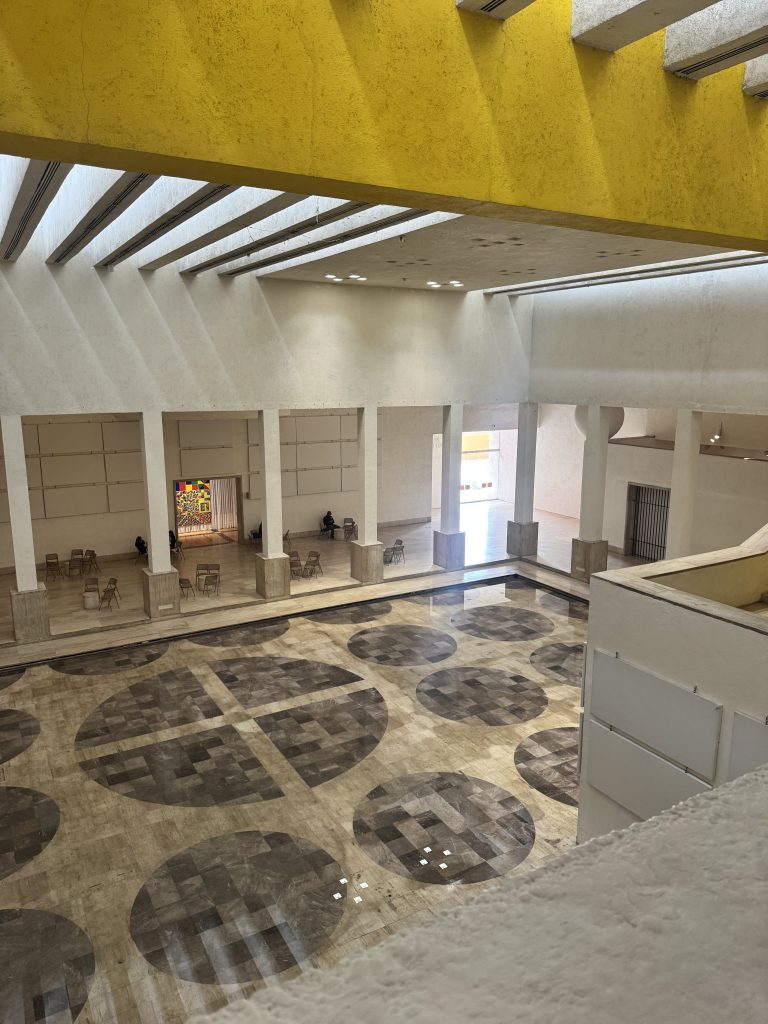
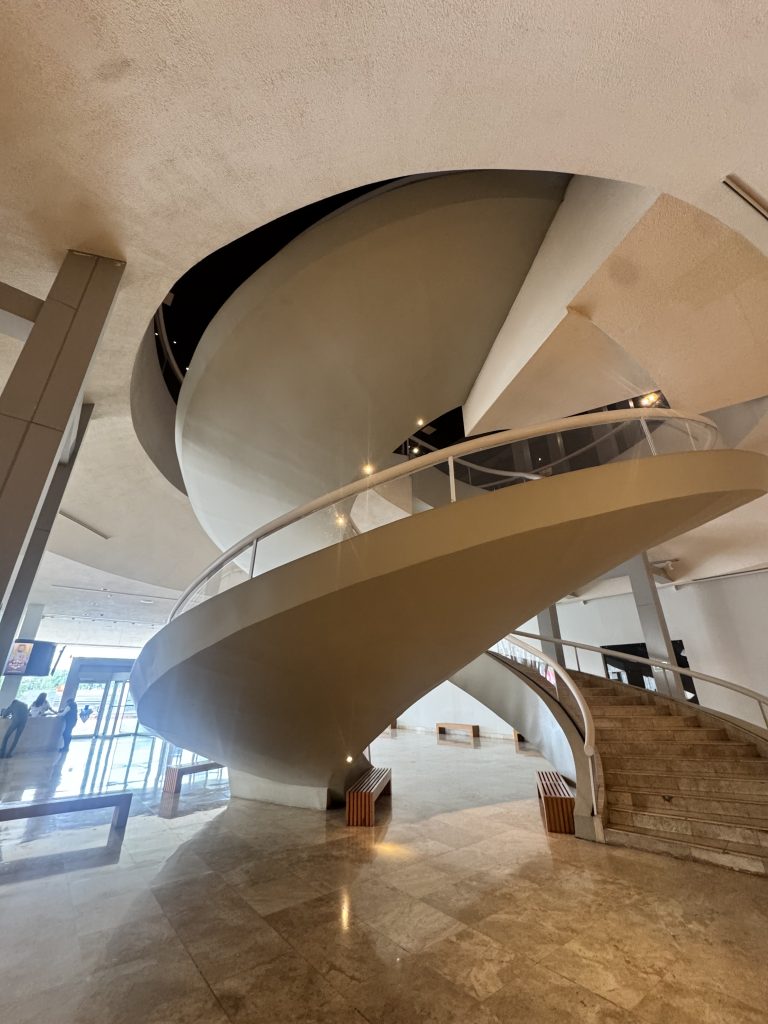
MARCO (Museo de Arte Contemporáneo de Monterrey), one of the most important contemporary art museums in northern Mexico. It’s a strong cultural anchor for the city and worth spending time in.
Nearby, the Museo de Historia Mexicana and Museo del Palacio offer a deeper look into Mexico’s national and regional history. Together, they give helpful context to Monterrey’s identity and development.
From there, you’re within walking distance of several of the city’s most important landmarks.
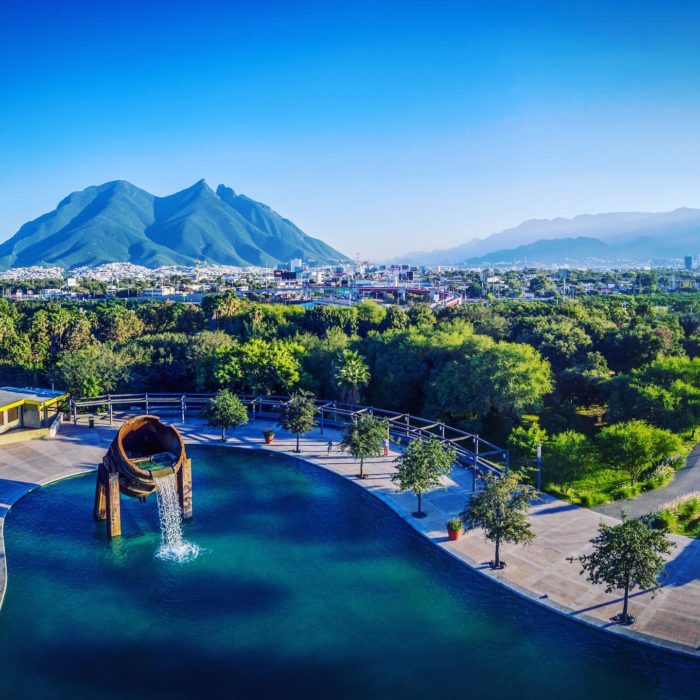
Fundidora Park is one of Monterrey’s standout spaces—a massive former steel foundry that’s been transformed into a sprawling public park. It blends industrial history with green space, walking and biking trails, museums, and large-scale art installations. It’s one of the best places in the city to get outside while still feeling connected to Monterrey’s identity.
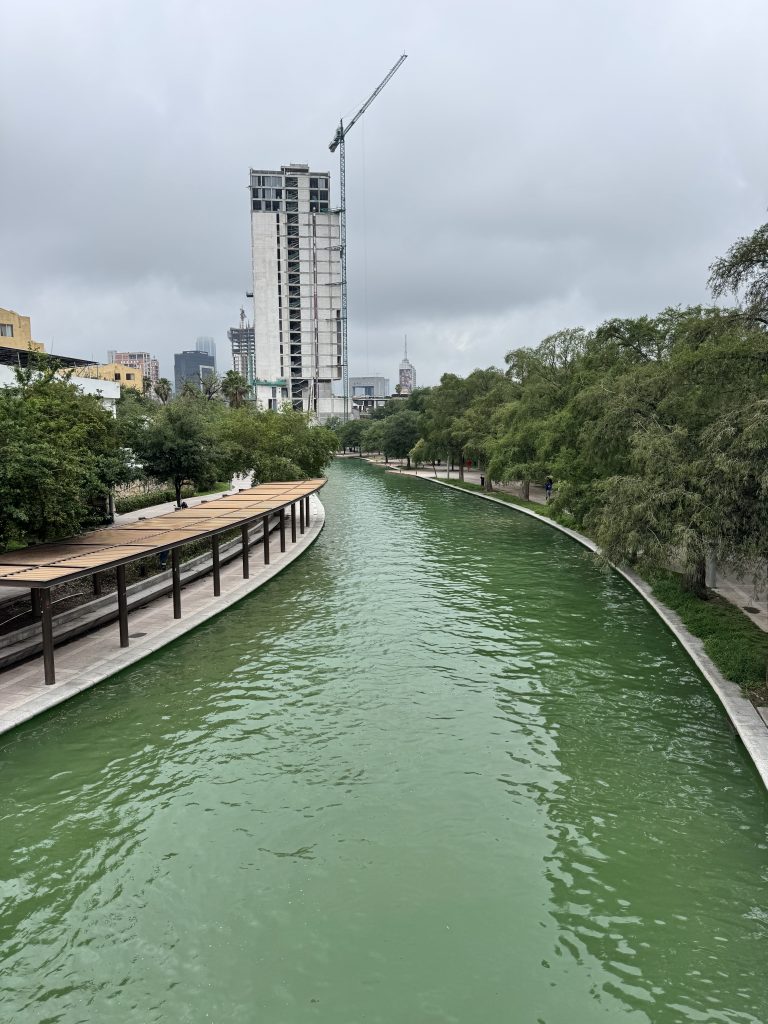
Paseo de Santa Lucía connects Fundidora Park to the city center via a scenic artificial riverwalk. Often compared to San Antonio’s River Walk, it features boat rides, fountains, public art, and a relaxed atmosphere that’s ideal for a late afternoon stroll.
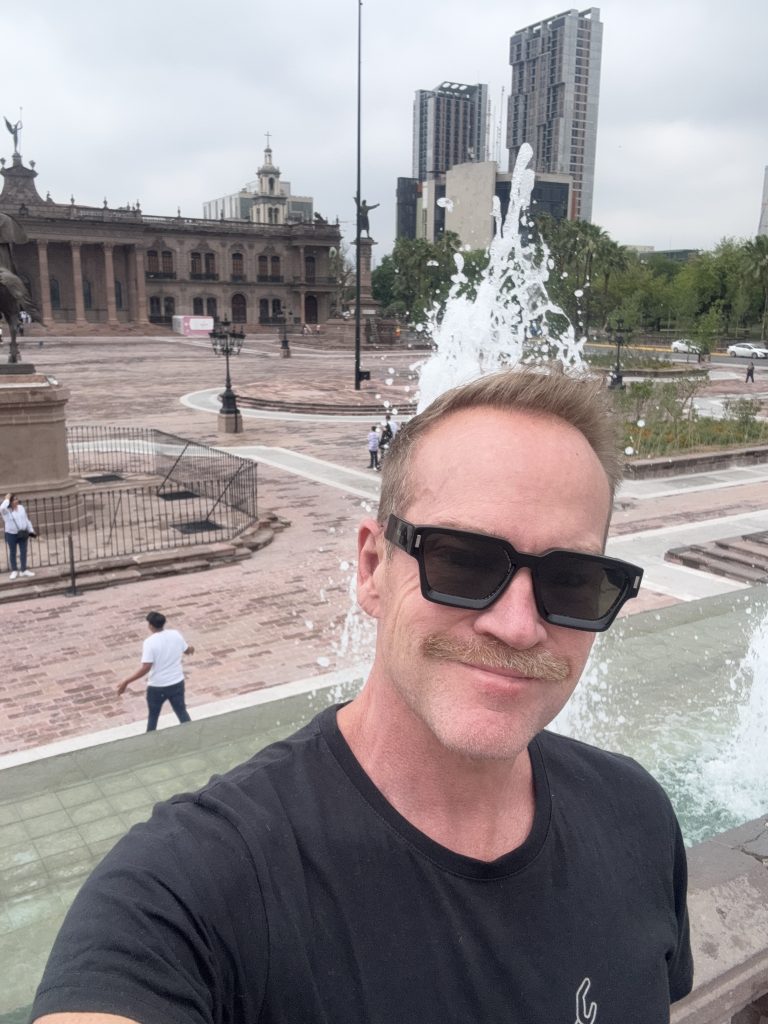
Macroplaza anchors the heart of downtown Monterrey and is one of the largest public squares in the world. Surrounded by government buildings and landmarks like the Faro del Comercio, it’s a central point you’ll likely pass through while exploring.
Just off Macroplaza, Barrio Antiguo offers a more historic, character-filled side of the city. With its narrow streets, colorful facades, and mix of cafés, bars, and galleries, it’s one of the best areas to wander—especially in the evening when it starts to come alive.
San Pedro Garza García is Monterrey’s most polished and upscale area, and easily one of the best places to spend an afternoon or evening. Known for its modern architecture, wide streets, and design-forward atmosphere, it’s home to some of the city’s top restaurants, cafés, and shopping. Areas around Calzada del Valle and major complexes like Palacio de Hierro are especially worth exploring, even if just to take in the scene. While it doesn’t have a concentrated gay nightlife presence, it’s open, welcoming, and a comfortable place to dine, wander, and experience Monterrey at its most refined.
Monterrey’s LGBTQ+ scene is smaller than other major cities, but it’s growing—and what’s here feels intentional and community-driven.
MUXETS is one of the most unique spaces in the city, blending performance, nightlife, and queer expression. Expect drag shows, themed events, and an engaged crowd. It’s a great entry point into the local scene and where the energy really builds as the night goes on.
Akbal offers a different atmosphere—darker, moodier, and more music-driven. Early in the night, it feels relaxed and stylish, but it gradually shifts into a more energetic space. It’s a good place to ease into your evening before things ramp up.
Noa Noa Club offers a more classic, approachable nightlife experience and is a good option if you’re looking for something more laid-back.
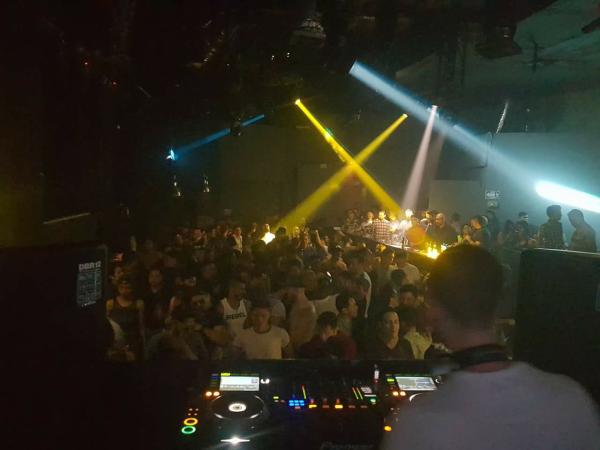
La Colorina is one of Monterrey’s biggest LGBTQ+ nightclubs, La Colorina delivers a full-scale party experience with multiple levels, pulsing DJ sets, and a packed dance floor that keeps going late into the night. Expect a mix of drag performances, go-go dancers, and themed events, all drawing a lively, high-energy crowd looking to go all out.
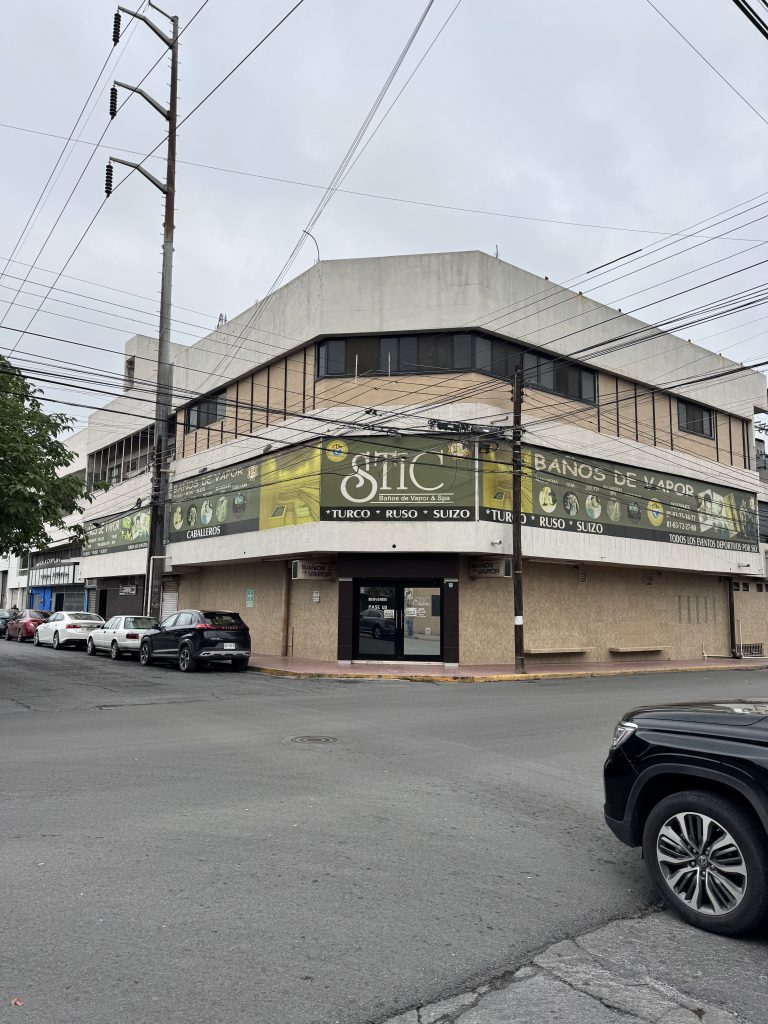
For something more unapologetically local, STIC Baños is a well-known bathhouse with a predominantly gay clientele. Spread across multiple levels, it includes steam rooms, showers, and social areas. It’s not modern, but it’s popular—especially on weekends—and offers a different side of Monterrey’s LGBTQ+ scene.
Coliseo Félix U. Gómez is a no-frills cruising spot known for its low prices and anything-goes atmosphere. The venue features dark rooms, glory holes, private cabinas, and a dedicated porno room, along with a smoking area for breaks in between. You’ll also find practical amenities like a changing room, clothes check, and Wi-Fi, making it a straightforward, budget-friendly option for a more casual experience.
La Casita (1, 2, 3) is a well-known sex club with three locations, offering a discreet, no-frills space for exploration. Inside, you’ll find dark rooms, private cabinas, slings, and a range of amenities including lockers, showers, a steam room, and XXX video areas. The venue also provides free condoms, Wi-Fi, and even rapid HIV testing, making it one of the more fully equipped options for those looking for a safe and open environment.
For more gay nightlife and entertainment, check out Gay Mexico Map
One of Monterrey’s biggest advantages is its proximity to nature and smaller towns.
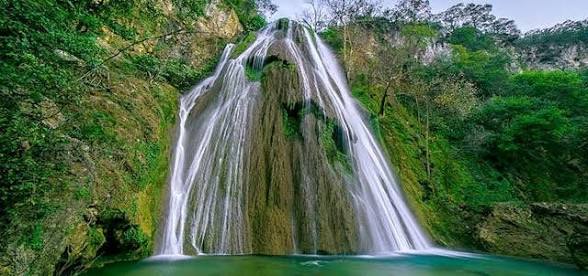
Horsetail Falls (Cola de Caballo) is one of the easiest and most popular day trips. Located about an hour from the city, it’s a scenic waterfall set against the mountains, with easy walking paths and fresh air that feels worlds away from the city.
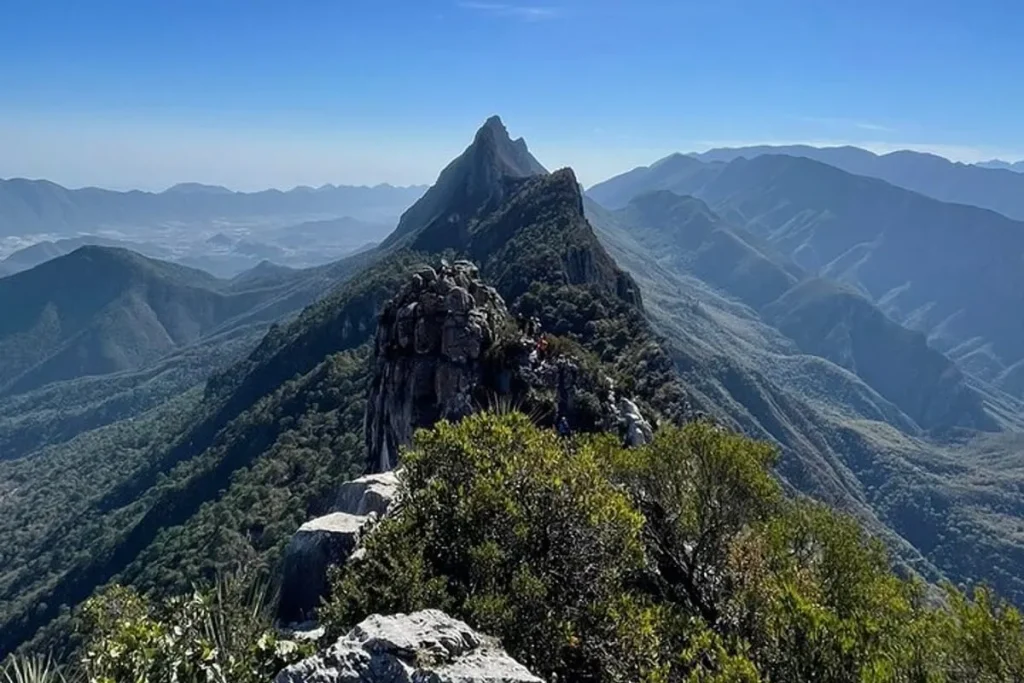
Chipinque Ecological Park is even closer and perfect if you want hiking, views over Monterrey, and a quick nature escape without committing to a full-day trip.
For something more unique, consider visiting Santiago, a Pueblo Mágico just outside the city. It’s a charming town with a slower pace, a central plaza, and access to nearby natural attractions.
Yes—while Monterrey doesn’t have a large or highly visible gay scene like Mexico City, it’s increasingly open and welcoming. The LGBTQ+ nightlife is smaller but growing, with spaces like MUXETS and Akbal offering inclusive, community-driven experiences.
San Pedro Garza García is the most popular area for visitors thanks to its safety, modern feel, and proximity to top restaurants and hotels. Barrio Antiguo is another good option if you want to be closer to cultural attractions.
Two to three days is ideal. This gives you enough time to explore the main sights, enjoy the food scene, experience nightlife, and possibly take a day trip.
Monterrey is generally considered safe for visitors, especially in areas like San Pedro and central Monterrey. As with any major city, it’s best to use common sense, stick to well-known areas, and rely on Uber for transportation at night.
Monterrey is known for its strong industrial economy, dramatic mountain setting, and one of the best food scenes in Mexico—particularly for grilled meats and cabrito (roasted goat).
Cabrito is roasted baby goat and one of Monterrey’s most iconic dishes. You can try it at traditional restaurants like Restaurante San Carlos or in more refined forms at places like Pangea.
Uber is the easiest and most reliable way to get around. The city is large and not very walkable, so most visitors rely on rideshare services for convenience.
Yes—popular options include Cola de Caballo (Horsetail Falls), Chipinque Ecological Park, and the nearby town of Santiago. All offer a quick escape into nature or a slower-paced setting.
The best time to visit is between October and April, when temperatures are more comfortable. Summers can be extremely hot, with temperatures often exceeding 100°F (38°C).
Monterrey is one of the more expensive cities in Mexico, especially in San Pedro. That said, it’s still more affordable than major U.S. cities, and you can adjust your budget depending on where you stay and eat.
Monterrey isn’t trying to be Mexico City—and that’s exactly why it works. It’s a place where food, design, and a growing LGBTQ+ scene come together in a way that feels local and unpolished in the best sense.
If you go in expecting a massive nightlife destination, you might miss what makes it interesting. But if you’re open to exploring, eating well, and tapping into a smaller, evolving scene, Monterrey delivers a surprisingly well-rounded experience.
About the Author
Tim is a seasoned travel writer and the creator of Out in Mexico, a dedicated resource for gay travelers exploring Mexico’s vibrant destinations. After relocating to Guadalajara, he has spent years immersing himself in Mexico’s gay culture, from the iconic beaches of Puerto Vallarta to the nightlife of Mexico City.
With firsthand experience in Mexico’s gay scene, Tim has personally visited the bars, hotels, and events featured in this guide. His insights have helped gay travelers plan unforgettable trips while ensuring they feel safe, welcomed, and informed.
When he’s not writing, you’ll find him sipping a mezcal cocktail at a bar in Guadalajara or travel to a new exciting destination in Mexico.
📍 Follow his adventures: @i.am.out.in.mexico
No Comments