
Table of Contents
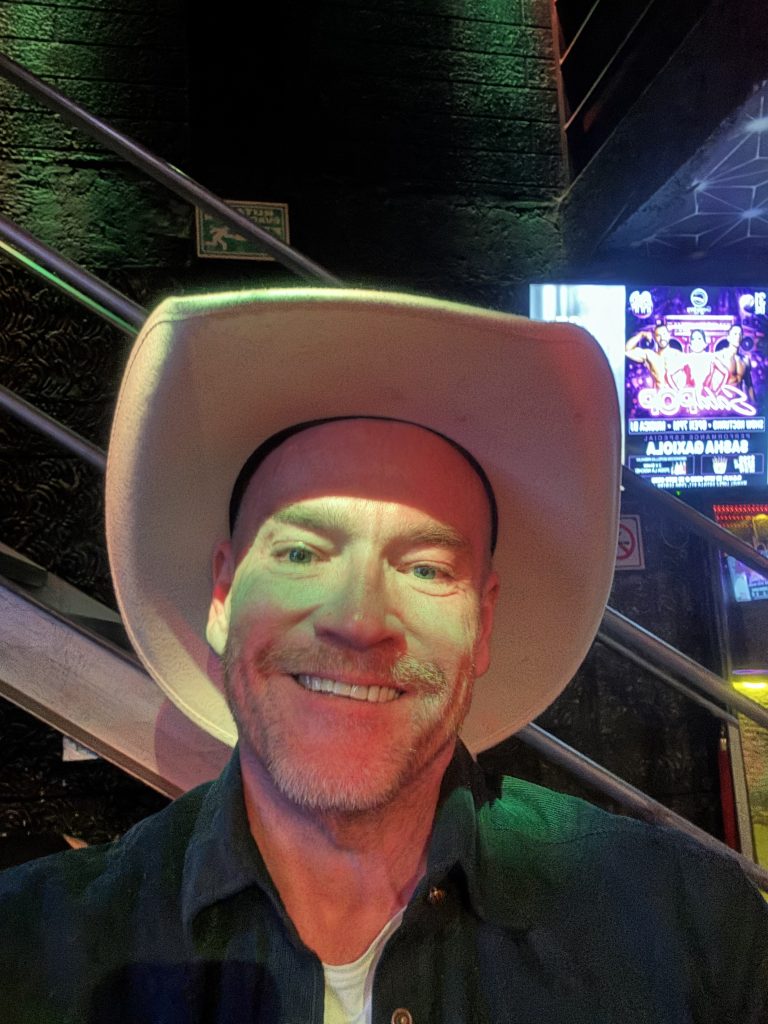
ToggleAfter leaving the corporate world and relocating to Mexico, I’ve spent the past several years building a new life in Guadalajara while exploring destinations throughout the country. Along the way, I’ve learned that immigrant life in Mexico can be incredibly rewarding for LGBTQ+ individuals, but it’s also very different from what many people expect. This guide shares the realities of living in Mexico as a gay immigrant, including the benefits, challenges, costs, healthcare, community, and the lessons I’ve learned since making the move.
Updated June 2026: Since originally publishing this guide, I’ve continued living in Guadalajara, expanded my travels throughout Mexico, joined Mexico’s public healthcare system, and gained several more years of firsthand experience as a gay expat. I’ve updated this article to reflect those experiences and provide a more realistic look at what life in Mexico is actually like long-term.
| Best LGBTQ+ Cities | Mexico City, Guadalajara, Puerto Vallarta, Mérida, and Playa del Carmen |
| Best For | Remote workers, retirees, long-term travelers, and LGBTQ+ people looking for a better quality of life |
| Cost of Living | Generally lower than many cities in the U.S. and Canada, though costs vary widely by destination |
| Healthcare | Private healthcare is widely available and most often more affordable than in the United States |
| LGBTQ+ Rights | Same-sex marriage is legal nationwide, and many cities have visible LGBTQ+ communities |
| Language | Spanish is very helpful for daily life, especially outside major tourist areas |
| Residency Options | Temporary and permanent residency are available for many foreign nationals who meet financial requirements |
| Best First Step | Visit several cities before deciding where to live long-term |
Real Experiences. Local Insights.
From a local who lives it.
✅ Affordable Living
The cost of living in Mexico is significantly lower than in the U.S., enabling individuals to live comfortably on a moderate budget. For LGBTQ+ individuals, this affordability provides the freedom to enjoy social activities, travel, and a vibrant lifestyle. My livings expenses are about 60% less than what I was spending monthly in the USA.
"My living expenses are about 60% less than what I was spending monthly in the USA."
✅ Affordable Living
The cost of living in Mexico is significantly lower than in the U.S., enabling individuals to live comfortably on a moderate budget. For LGBTQ+ individuals, this affordability provides the freedom to enjoy social activities, travel, and a vibrant lifestyle. My livings expenses are about 60% less than what I was spending monthly in the USA.
One thing many people don’t initially consider is currency exchange rates. While Mexico can be significantly more affordable than the United States or Canada, your actual cost of living may fluctuate depending on the strength of your home currency. Since I moved to Mexico, the U.S. dollar has lost roughly 15% of its value against the Mexican peso. Even if local prices remain unchanged, a weaker dollar effectively makes rent, groceries, restaurants, and other expenses more expensive when converted back to dollars.
✅ LGBTQ+ Acceptance
Mexico is among the most LGBTQ+-friendly countries in Latin America. Same-sex marriage is legal across the country, and several cities, like Mexico City, Puerto Vallarta, and Puebla, have supportive LGBTQ+ communities, making it easier for expats to feel at home.
✅ Cultural Richness
Mexico is known for its cultural diversity, rich history, and unique blend of Indigenous, Spanish, and modern influences. This cultural richness is evident in cities like Oaxaca, Puebla, and San Miguel de Allende, where festivals, art, and cuisine thrive.
✅ Close Proximity to the U.S.
Mexico’s location allows LGBTQ+ expats to stay close to friends and family back home, with easy access to flights between Mexico and major U.S. cities.
✅ Diverse Climate Options
Whether you’re looking for a tropical beach, cool highland climate, or bustling urban center, Mexico’s diverse geography makes it possible to find the ideal climate to suit your preferences.
⚠️Language Barrier
Although English is widely spoken in popular expat areas, learning Spanish will make day-to-day interactions easier and help you connect with locals.
⚠️ Healthcare
Mexico offers high-quality healthcare at an affordable price, but the quality and availability can vary by region. LGBTQ+-friendly healthcare providers are generally available in major cities.
⚠️ Cultural Adjustments
Life in Mexico can require adjusting to a different pace and style. Bureaucratic processes, for example, can be slower than in the U.S., and understanding cultural norms may take time. There is also fewer convenient options than the USA for shopping, such as big box retailers, same day delivery but these things are changing fast.
⚠️ Safety Concerns
Safety in Mexico varies significantly by region, so it’s worth researching your specific destination rather than relying on generalizations about the country as a whole. Popular immigrant/expat areas and tourist destinations are generally well-policed and safe for day-to-day life, but a few practical habits go a long way:
Use rideshare apps like Uber or Didi instead of hailing taxis on the street, especially at night. Stick to well-lit, populated areas when walking late, and ask locals or expat groups which neighborhoods to avoid after dark. It’s also smart to check the U.S. State Department’s travel advisories by state, since safety conditions can differ dramatically even within the same country — a city like Mérida has a very different risk profile than parts of some northern border states.
"Avoid drawing unnecessary attention in unfamiliar areas, trust your instincts, and lean on the local LGBTQ+ community for honest, current guidance."
For LGBTQ+ travelers specifically, legal protections don’t always reflect social attitudes on the ground. Public displays of affection are common and unremarkable in cities like Mexico City, Guadalajara, and Puerto Vallarta, but may draw more attention in smaller towns or more conservative neighborhoods. I’ve found it helpful to take a cue from locals around me and read the room, the same way I would in any new place. My best overall advice: avoid drawing unnecessary attention in unfamiliar areas, trust your instincts, and lean on the local LGBTQ+ community for honest, current guidance on specific neighborhoods.
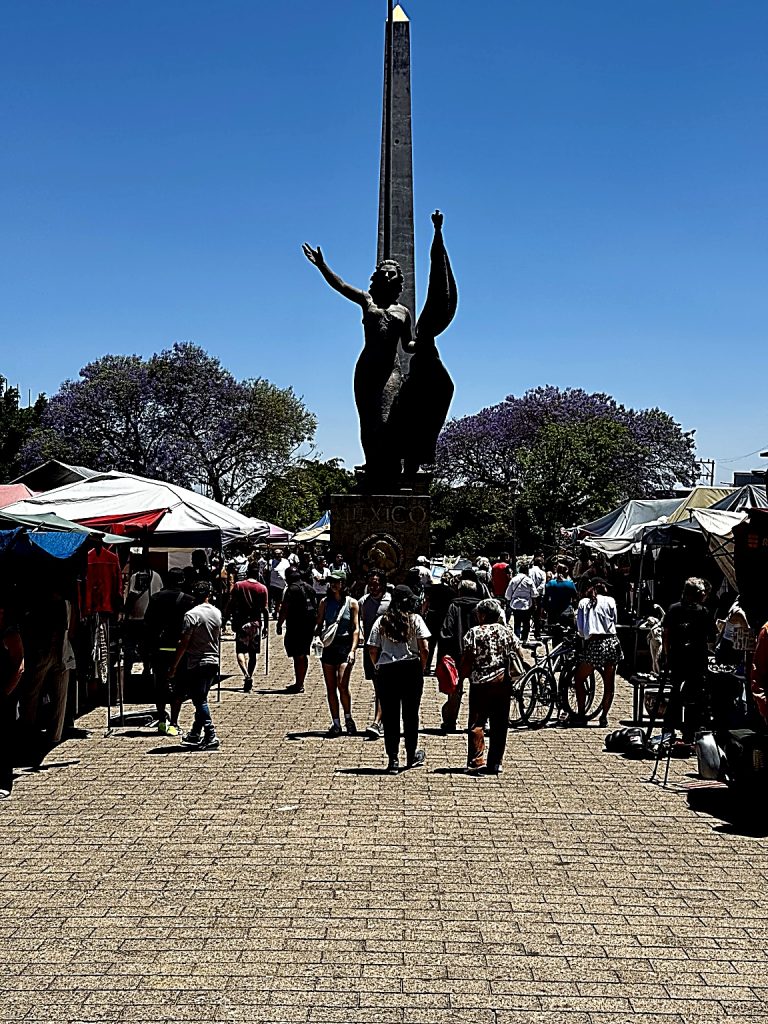
One of the best decisions I made was taking my time before choosing where to live. Before settling in Guadalajara, I visited several cities throughout Mexico to get a feel for what daily life might be like in each destination. I also spent three months living in Guadalajara before making the decision to move permanently. That trial period gave me a much better understanding of the city beyond what I experienced as a tourist and confirmed that it was the right fit for me.
Many first-time visitors to Mexico spend most of their time in tourist areas where English is widely spoken. That can create a misleading impression of how much Spanish you’ll actually need for daily life. While I knew Spanish would be important, I probably overestimated how quickly I would become fluent. Even after several years in Mexico, I continue to work on my Spanish. The language barrier hasn’t prevented me from building a life here, but it has occasionally made dating, banking, government paperwork, and other everyday tasks more challenging.
My three-month trial run helped me develop realistic expectations about life in Mexico, but there are still situations that surprise me from time to time. Whether it’s navigating bureaucracy, adapting to cultural differences, or encountering a process that works completely differently than it would in the United States, living abroad requires flexibility.
Internet reliability is a good example. In major cities and popular expat areas, fiber internet from providers like Telmex and Totalplay is widely available and generally fast and stable enough for video calls and remote work. But service can vary block by block, and outages do happen more frequently than I was used to in the U.S. If your income depends on a stable connection, it’s worth asking your landlord or building manager about the specific provider and speeds before signing a lease, and having a backup plan, like a mobile hotspot or a nearby co-working space, for when the internet inevitably goes down.
The more willing you are to adapt to moments like these, the easier your transition will be.
Building a social network made a tremendous difference in my experience living in Guadalajara. Through local LGBTQ+ groups and community events, I met friends who helped me better understand the city and pointed me in the right direction whenever I had questions. Having a support system made everything from finding restaurants and doctors to understanding local customs much easier. It also helped Guadalajara feel like home much more quickly.
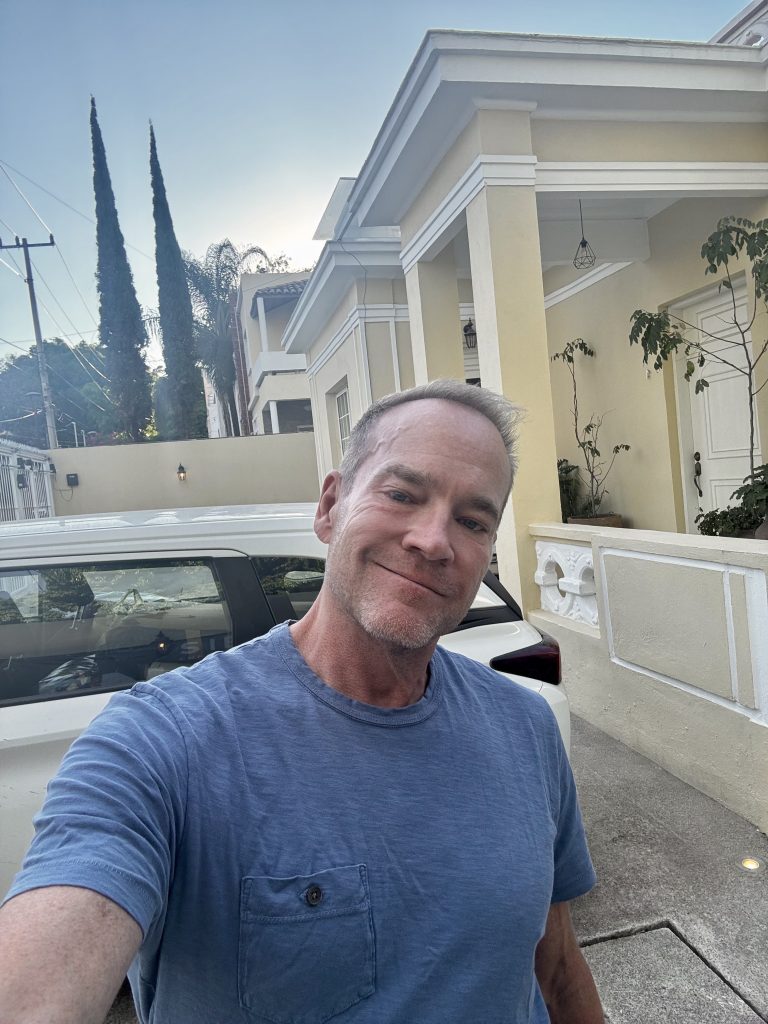
Rather than signing a lease immediately after arriving, I stayed in Airbnb accommodations while exploring different neighborhoods and learning more about the city. That extra time allowed me to find an apartment that fit my lifestyle and included the amenities that were important to me. Just as importantly, it gave me the opportunity to evaluate the neighborhood itself. I wanted an area that was walkable, relatively quiet at night, clean, and close to the restaurants, cafés, and services I use regularly. Spending time in a neighborhood at different times of the day can reveal things you might not notice during a short viewing. A neighborhood that feels perfect on a Tuesday afternoon may feel very different on a Friday or Saturday night. Housing is one of the biggest decisions you’ll make after moving, so taking your time can pay off in the long run.
Before moving to Mexico, I spent a significant amount of time researching residency requirements and preparing my application. In hindsight, I was probably overprepared, but the process went smoothly because I knew exactly what documentation I needed.
One area I underestimated, however, was banking. Opening a Mexican bank account as a new arrival can be more complicated than expected — most banks require an RFC (Mexico’s tax ID number) and proof of address, neither of which you’ll have right away. Until that’s sorted out, you’ll likely be relying on your home country’s debit or credit cards for day-to-day spending, so it’s worth checking ahead of time whether your bank charges foreign transaction or ATM fees. Many expats use services like Wise or a fee-free travel card to avoid losing money to conversion costs while they get settled. Once I had my residency card and RFC in hand, I worked with a bank that had English-speaking staff, which made opening an account and managing day-to-day finances far easier.
Once I arrived in Guadalajara, one of my first priorities was finding a primary care physician. Establishing healthcare early gave me peace of mind and ensured I had someone who could help coordinate referrals to specialists whenever needed.
| Lifestyle | Monthly Budget (USD) | Description |
|---|---|---|
| Budget | $1,500 - $2,500 | Smaller apartment, local restaurants, public transportation, and a modest lifestyle. |
| Comfortable | $2,500 - $3,500 | Modern apartment, dining out regularly, private healthcare, gym membership, and occasional travel. |
| Higher-End | $3,500+ | Luxury housing, frequent travel, dining out often, and premium amenities. |
Note: Costs vary significantly depending on the city and your lifestyle. Popular destinations such as Puerto Vallarta, Playa del Carmen, Mexico City, and San Miguel de Allende generally cost more than Guadalajara, Mérida, Puebla, Querétaro, and many smaller cities throughout Mexico.
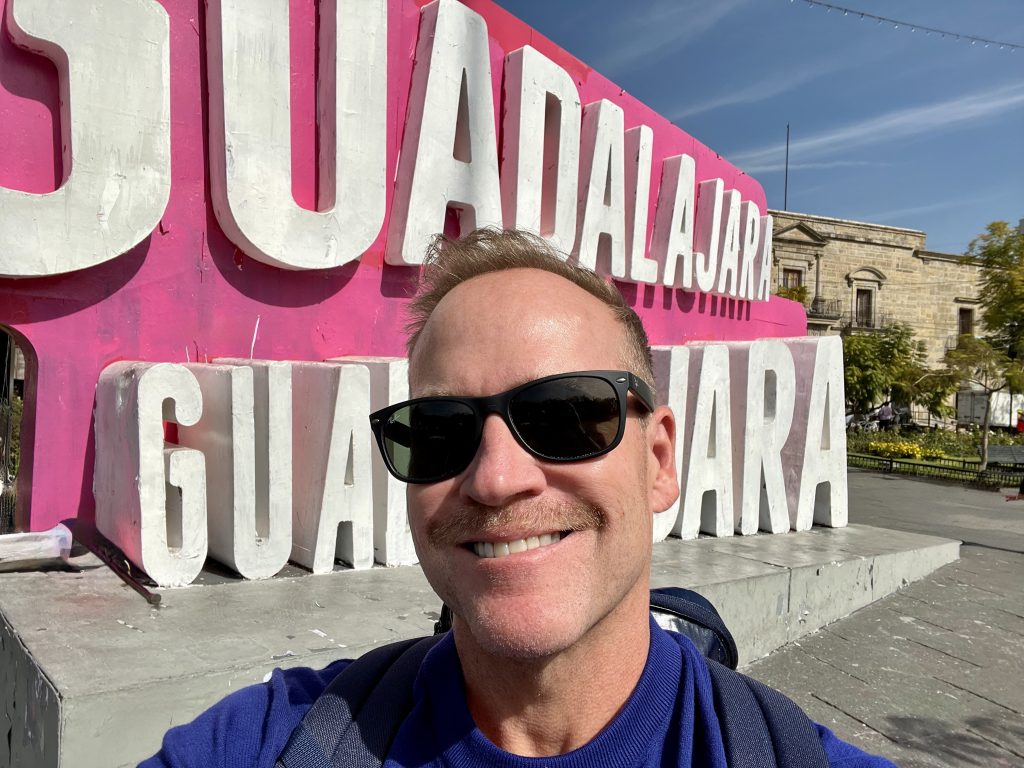
One of the things that surprised me most after moving to Guadalajara was how easy it was to build a social circle. During my first visit, I stayed with a local gay couple through Misterb&b, and years later we are still close friends. Shortly after moving here, I discovered Queers in Guadalajara, a social group that organizes events several times each month. Through that group alone, I have met many of my closest friends in Mexico. Dating has also been relatively easy, although the language barrier has occasionally created some memorable and sometimes amusing situations. My Spanish has improved over time, but there are still moments when communication requires a little patience and creativity.
Another aspect of life here that I have come to appreciate is how much time people spend outdoors. Guadalajara’s climate is pleasant for most of the year, which means I spend a lot of time walking and biking around the city using the public bike-share system. Outdoor cafés are always full, parks are busy with people walking their dogs, and there is a strong sense of community that encourages people to spend time outside rather than staying at home. Life also moves at a slower pace than many people from the United States or Canada may be used to. At first, it was frustrating when people arrived late to plans or schedules seemed more flexible than expected. Over time, however, I learned to embrace the more relaxed approach to life. Even my first boyfriend in Guadalajara and I eventually had to find a compromise when it came to punctuality.
Healthcare has been another pleasant surprise. For my first two years in Mexico, I relied entirely on private healthcare and found it to be both high quality and surprisingly affordable. Many medications are inexpensive and available without a prescription. More recently, I enrolled in a government healthcare program that costs me approximately $145 USD per month and covers my doctor visits and medications with no additional out-of-pocket expenses. So far, my experience has been very positive.
"I enrolled in a government healthcare program that costs me approximately $145 USD per month and covers my doctor visits and medications with no additional out-of-pocket expenses."
For trans expats specifically, access to hormone therapy and gender-affirming care is generally good in major cities like Guadalajara and Mexico City, though it’s worth connecting with local trans community groups for current provider recommendations before you move.
More broadly, finding LGBTQ+-friendly doctors in major cities has been easy in my experience. PrEP and DoxyPEP are both widely available, and many clinics offer them at low or no cost through public health programs, alongside generally affordable private options. Routine STI testing is also widely accessible, with many clinics offering rapid or free testing, something that’s made it easy to stay on top of my sexual health without the cost or hassle I dealt with back in the U.S.
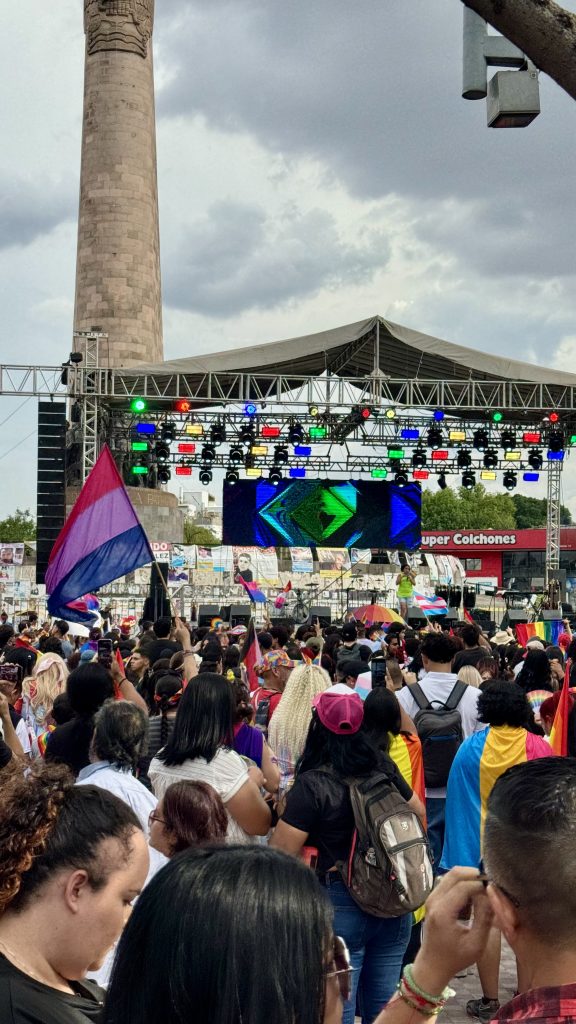
As a gay immigrant, one of Guadalajara’s biggest advantages is its large and visible LGBTQ+ community. The neighborhoods of Centro and Colonia Americana are home to dozens of LGBTQ+ bars, clubs, cafés, and social spaces, making it easy to meet people and stay connected. Guadalajara Pride continues to grow each year and attracts hundreds of thousands of attendees, creating an atmosphere that rivals many larger cities. While life in Mexico is not without challenges, most of my frustrations have centered around bureaucracy rather than daily life. Government offices, banks, and financial institutions often operate differently than what many foreigners expect, and limited Spanish can make some processes difficult. Fortunately, I worked with a facilitator during my residency process and found a bank with English-speaking staff, which made the transition much smoother.
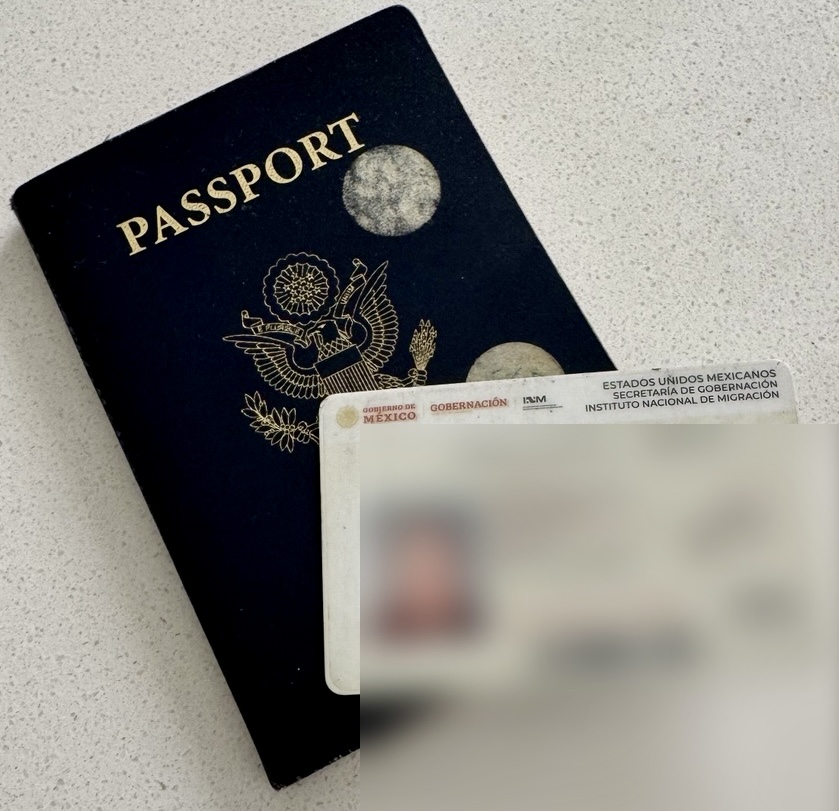
To live in Mexico long-term, people will need a residency visa. There are many people who travel back and forth from the USA and leverage the “180 days” when entering Mexico. The downside to this approach is that it is up to the officer stamping passports at the airport and you can easily get less than 180 days.
➡️ Temporary Resident Visa
Ideal for those looking to stay in Mexico for up to four years, this visa requires proof of financial solvency.
➡️ Permanent Resident Visa
This visa is for individuals who plan to stay in Mexico indefinitely and provides nearly the same rights as Mexican citizens, except for voting.
➡️ Spousal/Partner Visa
If you’re married to or in a long-term partnership with a Mexican citizen or legal resident, you may qualify for residency based on that relationship rather than meeting the standard financial requirements. Mexico recognizes same-sex marriage nationwide, so this path is available to LGBTQ+ couples the same as it is to opposite-sex couples. The process generally requires proof of the relationship (marriage certificate or evidence of a civil partnership) along with your spouse or partner’s proof of Mexican residency or citizenship. Requirements and recognized relationship types can vary by consulate, so it’s worth confirming directly with the consulate where you plan to apply.
➡️ Work Visa
If you plan to work for a Mexican employer, you’ll need a work visa, which typically requires a job offer from a Mexican company. Many LGBTQ+ expats work remotely for employers abroad, which can be done under temporary or permanent residency.
➡️ Financial Requirements (estimates for 2026)
Residency visas require proof of income and/or savings. Requirements vary and can change due to exchange rates, so it’s best to check with the Mexican consulate you will apply. Below are the estimates for 2026. These vary by consulate and currency fluctuations. So take these as directional.
➡️ Application Process
Residency applications usually start at a Mexican consulate in the USA (or Canada). Prepare documents like financial statements, identification, and passport. The requirements vary by consulate as well as ease of setting up appointments for the process. I utilized the Orlando consulate (while I was still living in San Francisco), the process was very smooth and easy.
➡️ Enter Mexico and Complete the Process
With your visa in hand, it’s time to head to Mexico. But don’t get too comfortable yet—you’ll need to complete a few more steps to secure your residency card.
➡️ Renewal or Transition to Permanent Residency (for Temporary Residents)
If you start with a temporary residency, remember that it needs annual renewals. After your first year of temporary residency, you can renew for 1 year or up to 3 years. After four years of temporary residency, you can transition to permanent residency if you wish. The transition process is generally straightforward, requiring less documentation than your initial application.
Taxes are one of the most common questions I get from people considering a move, and also one of the most misunderstood. As a general rule, you typically pay taxes in the country where you work, not necessarily the country where you live. If you’re physically employed by a business in Mexico, for example, you’d likely owe Mexican taxes on that income. If you work remotely for a U.S. company and are paid in the U.S., you’d likely continue paying U.S. taxes, even while living full-time in Guadalajara or elsewhere in Mexico.
That said, this is a generalization, and the reality can get complicated quickly depending on your residency status, how long you spend in each country, your citizenship, and the specific tax treaties between Mexico and your home country. U.S. citizens, for instance, are taxed on worldwide income regardless of where they live, which adds another layer most other nationalities don’t have to deal with.
"I'd recommend consulting a tax professional who is knowledgeable about both U.S. (or your home country's) and Mexican tax law to understand your specific situation."
This is genuinely one area where I’d strongly encourage you not to rely on expat forums or guides like this one (mine included) for specifics. Tax law is complex, changes over time, and the consequences of getting it wrong can be expensive. Before making a move, I’d recommend consulting a tax professional who is knowledgeable about both U.S. (or your home country’s) and Mexican tax law to understand your specific situation.
I share where to stay, where to go and what it’s really like travelling to Mexico as an LGBTQ+ traveler based on real experiences on the ground.
| Destination | LGBTQ+ Scene | Cost | Weather | Best For |
|---|---|---|---|---|
| Mexico City | Excellent | Moderate-High | Mild year-round | Culture, nightlife, careers, and big-city living |
| Guadalajara | Excellent | Moderate | Warm with rainy summers | Community, affordability, culture, and quality of life |
| Puerto Vallarta | Excellent | High | Tropical and humid | Beach lifestyle, retirement, and LGBTQ+ nightlife |
| Monterrey | Excellent | High | Hot Summers, Cold Winters | Very Modern, Very American City, Good Food and Culture |
| Lake Chapala / Ajijic | Good | Moderate | Spring-like year-round | Retirees, expat communities, and slower-paced living |
| Mérida | Growing | Moderate | Hot and humid | Safety, healthcare, and colonial charm |
| San Miguel de Allende | Good | High | Mild with cool winters | Arts, culture, and international community |
| Playa del Carmen | Good | High | Tropical and humid | Beach living, remote work, and international atmosphere |
| Puerto Escondido | Small but Growing | Moderate | Hot tropical climate | Surf culture, beaches, and laid-back living |
| Oaxaca City | Growing | Moderate | Mild and sunny | Food, culture, walkability, and creative communities |
| Querétaro | Moderate | Moderate | Dry and mild | Safety, modern infrastructure, and central location |
| Puebla | Moderate | Low-Moderate | Mild with cooler evenings | Affordability, colonial architecture, and local culture |
| La Paz | Small but Growing | Moderate-High | Sunny and dry | Sea of Cortez lifestyle, outdoor activities, and tranquility |
| San Cristóbal de las Casas | Small but Welcoming | Low | Cool mountain climate | Mountain living, culture, and affordability |
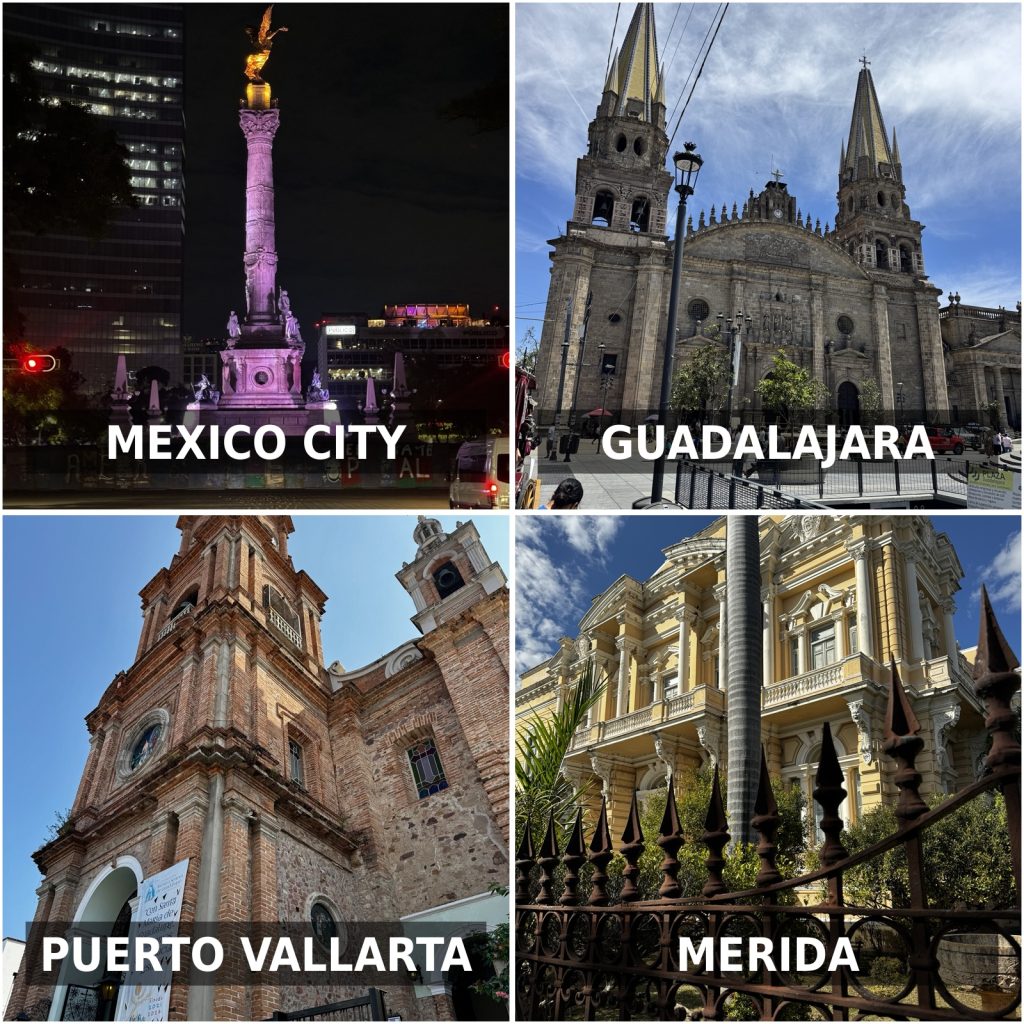
The best place to live in Mexico depends on your budget, lifestyle, climate preferences, and how important factors such as nightlife, healthcare, walkability, and community are to you. If you're considering a move, these destination guides provide a deeper look at some of Mexico's most popular LGBTQ+-friendly cities and expat communities.
Still not sure where to live? I recommend visiting several destinations before making a decision. The lifestyle in Mexico City is very different from Puerto Vallarta, while places like Mérida, San Miguel de Allende, Lake Chapala, and San Cristóbal de las Casas appeal to completely different types of expats. Spending a few weeks or months in a destination before committing to a move can help ensure it's the right fit for your lifestyle.
Mexico’s safety for LGBTQ+ individuals varies by region, and it’s worth separating legal protections from day-to-day social attitudes. Same-sex marriage is legal nationwide, and major cities and popular expat destinations like Mexico City, Guadalajara, Puerto Vallarta, and Mérida are generally considered safe and inclusive, with visible LGBTQ+ communities and public affection drawing little attention. That said, legal acceptance doesn’t always reflect social norms everywhere; smaller towns and more conservative or rural areas may be less welcoming, and couples may want to be more discreet with public affection in those settings. Researching your specific destination, and connecting with local LGBTQ+ residents or expat groups before you move, is the best way to get an accurate, current picture.
Top LGBTQ+-friendly cities include Mexico City, Puerto Vallarta, Guadalajara, Merida, and Playa del Carmen. San Miguel de Allende, Oaxaca City, and Lake Chapala also offer welcoming communities for LGBTQ+ expats. Each city has its unique culture and amenities, so exploring options is recommended.
The most common options are the Temporary Resident Visa, which is valid for up to four years, and the Permanent Resident Visa, which is indefinite. Both options typically require proof of financial solvency. Applications start at a Mexican consulate outside of Mexico, and documents such as financial statements are necessary.
Yes. If you’re married to or in a long-term partnership with a Mexican citizen or legal resident, you may qualify for residency based on that relationship rather than meeting the standard financial requirements. Mexico recognizes same-sex marriage nationwide, so this path is available to LGBTQ+ couples the same as it is to opposite-sex couples. Requirements can vary by consulate, so it’s worth confirming the specifics directly with the consulate where you plan to apply.
Generally, you pay taxes in the country where you work, not necessarily where you live. If you’re employed by a business in Mexico, you’d likely owe Mexican taxes on that income; if you work remotely for a company outside Mexico and are paid there, you’d likely continue paying taxes in that country. U.S. citizens are taxed on worldwide income regardless of residence, which adds another layer to consider. This is a complicated area that depends on your specific situation, so it’s worth consulting a tax professional knowledgeable in both Mexican and your home country’s tax law before making a move.
Yes, in major cities. PrEP and DoxyPEP are both widely available, often at low or no cost through public health programs, alongside affordable private options. Routine STI testing is also widely accessible, with many clinics offering rapid or free testing.
Guadalajara is one of the best cities in Mexico for LGBTQ+ expats. It offers a large and visible LGBTQ+ community, dozens of gay bars and clubs, an annual Pride celebration that attracts hundreds of thousands of attendees, and a lower cost of living than many major U.S. and Canadian cities. Neighborhoods such as Colonia Americana and Centro are particularly popular with LGBTQ+ residents and visitors. After spending several years living in Guadalajara, I continue to find it one of the most welcoming and livable cities in Mexico.
Yes, especially in popular expat destinations such as Puerto Vallarta, San Miguel de Allende, Lake Chapala, and parts of Mexico City. However, your experience will improve dramatically if you learn Spanish. While I can navigate daily life in Mexico, I underestimated how important Spanish would be for building friendships, dating, banking, healthcare, and dealing with government offices. Even learning basic conversational Spanish can make living in Mexico significantly easier and more rewarding.
In most cases, yes. I initially stayed in Airbnb accommodations while exploring different neighborhoods in Guadalajara. This gave me time to determine which areas felt safe, clean, walkable, and convenient for my lifestyle before committing to a long-term lease. It also allowed me to view multiple apartments in person and avoid making a rushed decision from abroad.
Moving to Mexico has been one of the best decisions I’ve ever made. While there have certainly been challenges—from learning Spanish to navigating bureaucracy—the benefits have far outweighed the frustrations. I’ve built a community, found a lifestyle that prioritizes experiences over possessions, and discovered a country that continues to surprise me every day.
If you’re considering making the move, my biggest piece of advice is to slow down. Visit multiple cities, spend time living like a local rather than a tourist, and give yourself the opportunity to experience daily life. Mexico isn’t perfect, but for many LGBTQ+ expats, it offers an incredible combination of affordability, culture, community, and quality of life.
About the Author
Tim is a seasoned gay travel writer and the creator of Out in Mexico, a dedicated resource for gay travelers exploring Mexico’s vibrant destinations. After relocating to Guadalajara, he has spent years immersing himself in Mexico’s gay culture, from the iconic beaches of Puerto Vallarta to the nightlife of Mexico City.
With firsthand experience in Mexico’s gay scene, Tim has personally visited the bars, hotels, and events featured in this guide. His insights have helped gay travelers plan unforgettable trips while ensuring they feel safe, welcomed, and informed.
When he’s not writing, you’ll find him sipping a mezcal cocktail at a bar in Colonia Americana or travel to a new exciting destination in Mexico.
📍 Follow his adventures: @i.am.out.in.mexico
I share where to stay, where to go and what it’s really like travelling to Mexico as an LGBTQ+ traveler based on real experiences on the ground.
Gay-Friendly Bars, Restaurants, Culture
Local Tips You Won’t find on Google
Delivered straight to your Inbox twice a month

No Comments