Table of Contents
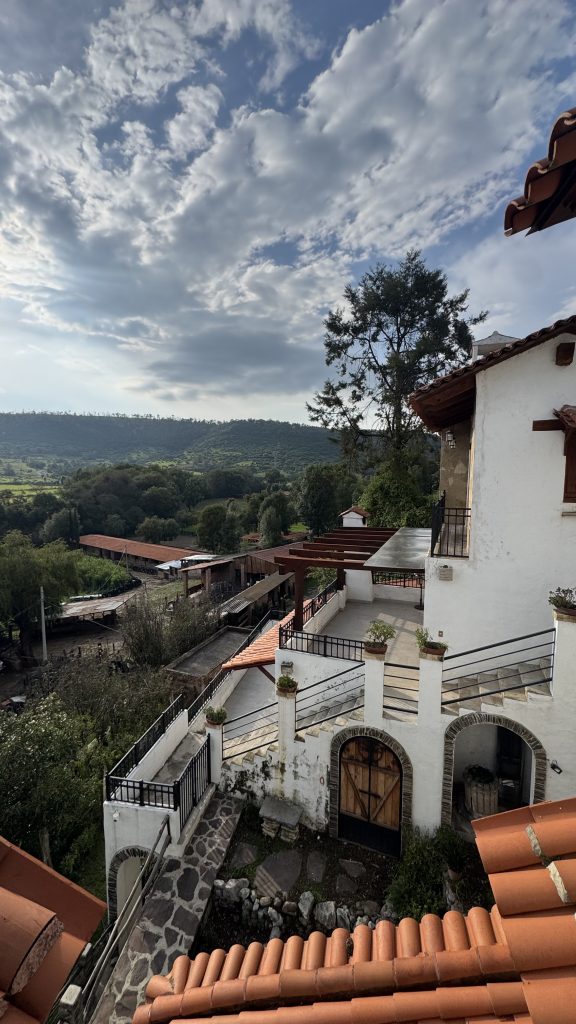
ToggleThere’s a particular smell that hits you the moment you step out of the car in Tapalpa: pine, wet stone, and woodsmoke. After months of Guadalajara’s heat and traffic, that first breath alone was worth the drive. Tapalpa was the first town in Jalisco to earn the “Pueblo Mágico” designation back in 2002, and even with a steady stream of weekend visitors, it hasn’t lost the sleepy, high-altitude charm that earned it the title. White facades, red tile roofs, cobblestone streets, and a backdrop of pine-covered mountains — it feels more like a village pulled from central Mexico’s highlands than anywhere near the Pacific coast.
Real Experiences. Local Insights.
From a local who lives it.
Tapalpa sits roughly 75 miles (120 kilometers) southwest of Guadalajara, tucked into the Sierra Madre del Sur at an elevation of about 6,750 feet (2,060 meters) — which explains the cool, crisp air even in the middle of the day. The drive takes a little over two hours by car, heading out via the Guadalajara–Colima or Guadalajara–Zapotlán highways before climbing into the sierra on the final stretch of winding mountain road. The last 20 minutes or so are all switchbacks through pine forest, so if anyone in your car gets carsick, plan accordingly.
If you don’t have a car, there are direct bus services from Guadalajara’s Central Camionera (the old bus station, Central Vieja) that run a few times a day and take around two and a half hours. It’s a comfortable, scenic ride, though having a car gives you far more freedom once you’re there, since several of the best attractions sit outside the town itself.
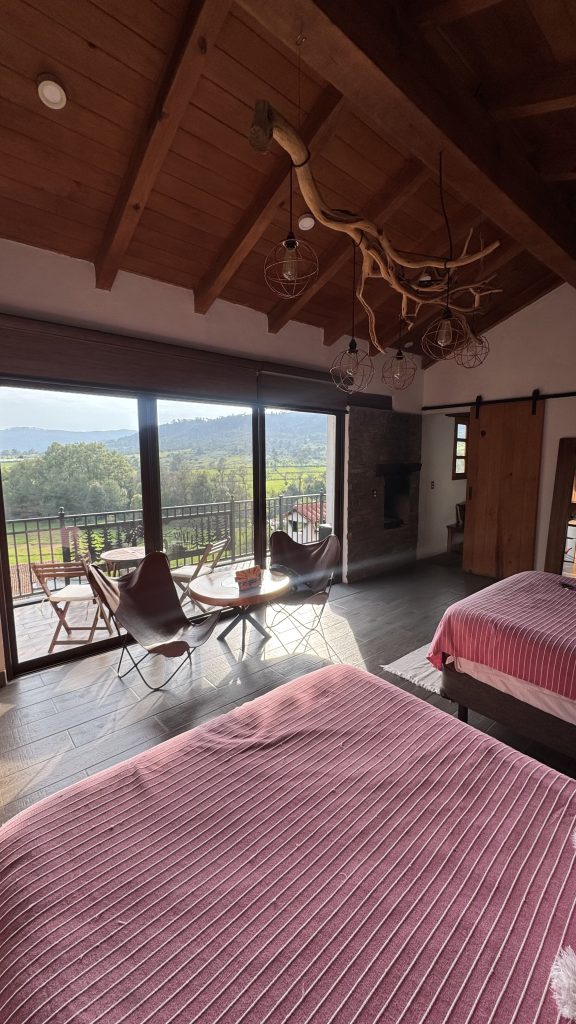
I stayed at La Toscania Tapalpa Resort, about a five-minute drive from the main town. It’s cute and quiet, with great views over the valley, hills, and surrounding farmland — a good pick if you’d rather wake up looking at the countryside than the plaza.
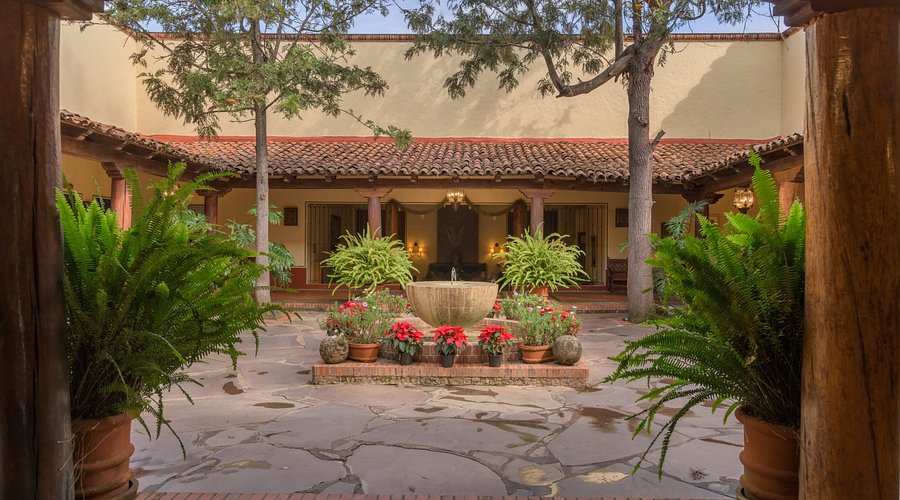
Tapalpa Country Club is the splurge option — a few minutes outside the historic center, with freestanding cabins that have their own fireplaces and terraces looking out over the forest. It’s built around a golf course and leans into the “mountain luxury” feel, which makes it a nice base if you want comfort after a day of hiking or ziplining.
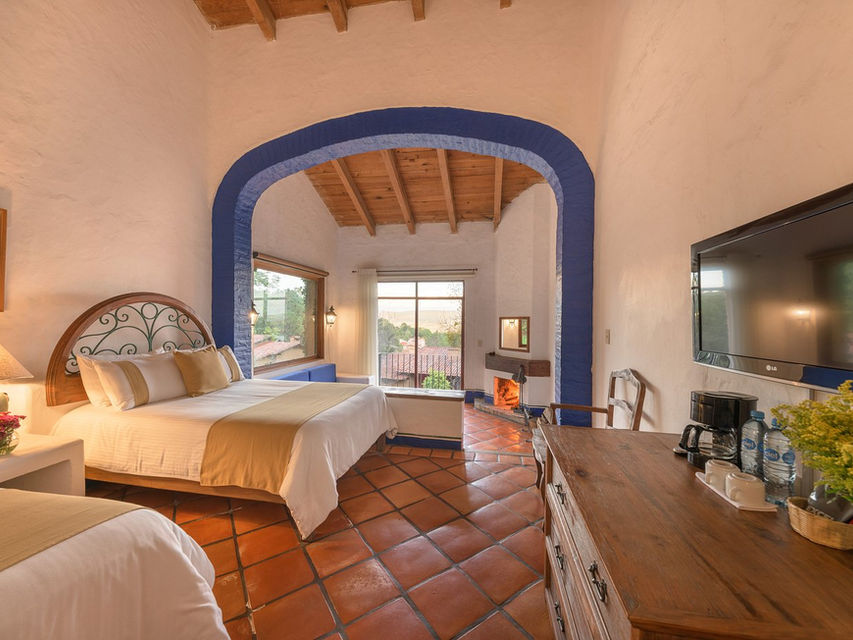
Boutique hotels around the main plaza are the better call if you want to walk everywhere. Several of the converted colonial-style houses near the church and portales offer rooms with exposed wood beams, small courtyards, and fireplaces — cozy at night, since temperatures drop fast once the sun goes down.
Cabin rentals scattered through the pine forest just outside town are popular for groups or families, especially ones with a wood-burning stove and a hot tub, which after a day outdoors feels like the best decision you made all trip.
Book ahead if you’re coming on a weekend or during the January patronal festivities (January 4–12), when the town fills up fast.
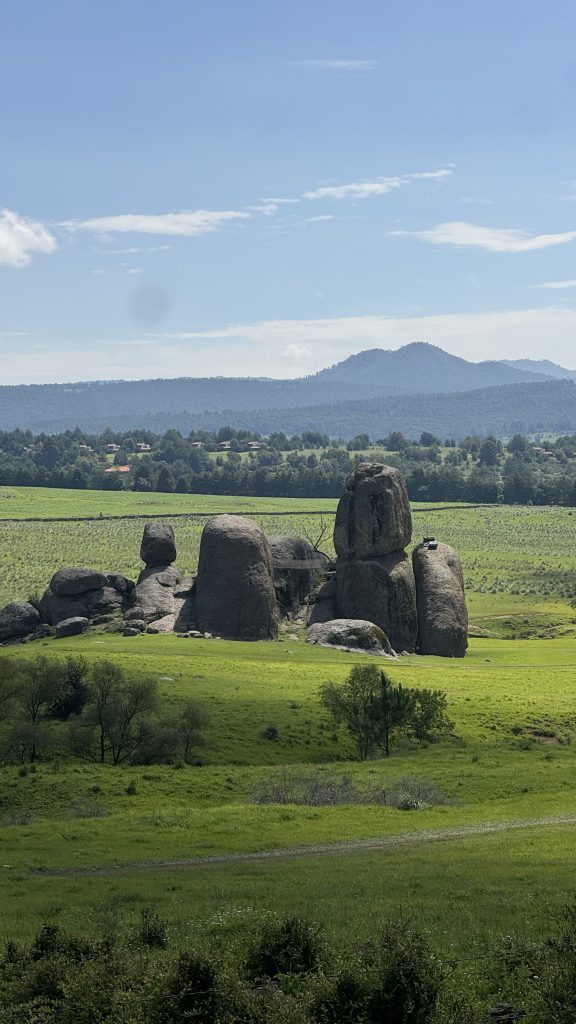
Tapalpa’s biggest draw is Las Piedrotas, also called the Valle de los Enigmas — a valley scattered with enormous boulders, some the size of small buildings, that nobody has definitively explained. The leading theory points to an extinct nearby volcano, though locals will happily offer you a few other stories, including tales of the site as an energy center that draws crowds during the equinoxes. It’s a short drive from downtown, and you can hike among the rocks, rock climb, rappel, or just wander and take photos. It’s genuinely one of the more surreal landscapes I’ve seen in Jalisco.
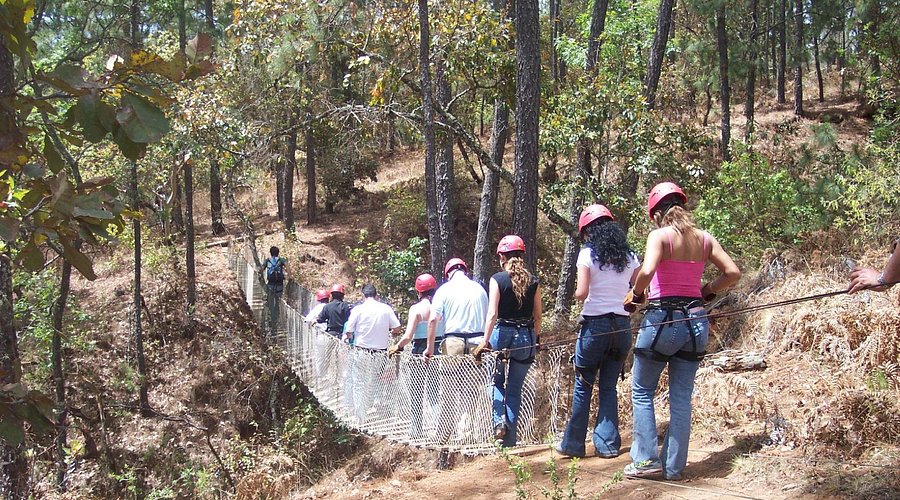
For adrenaline, Eko Park, about 30 minutes from the center, is the go-to adventure park, with ziplining, rappelling, and canopy tours through the forest. If you’d rather stay grounded, paragliding tandem flights are offered from a launch point with sweeping views over the valley — flights typically run 25 to 40 minutes and don’t require any experience.
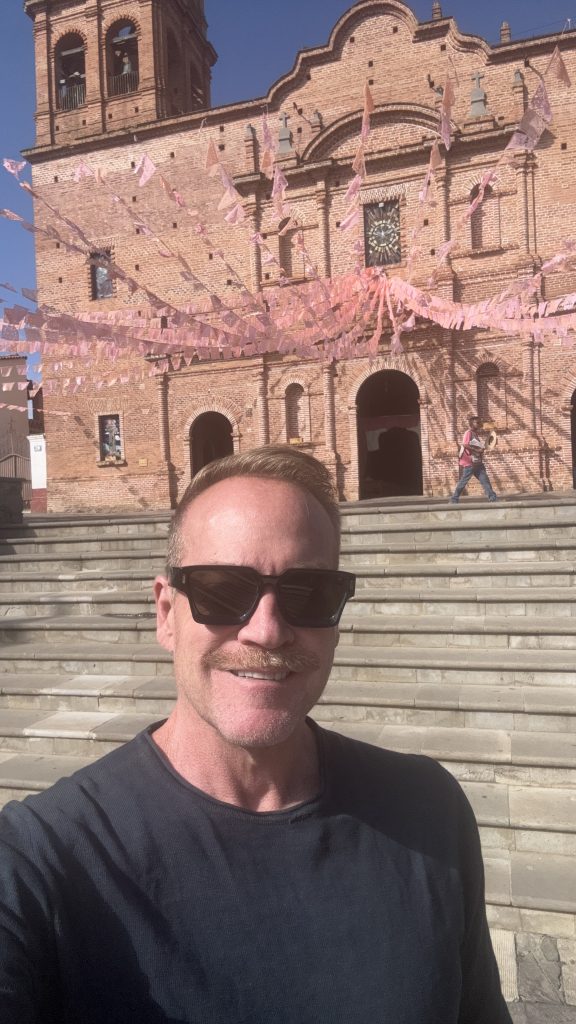
Back in town, the plaza itself is worth slowing down for. The Templo de Nuestra Señora de Guadalupe, built entirely of exposed brick without plaster, sits at the center of town, and the older Parroquia de San Antonio de Padua nearby now functions as a small museum. Just behind the main church is the Parque de las Esculturas, a sculpture park featuring pieces by artists like Sebastián and Alejandro Colunga — including, oddly enough, a completed scale replica of Guadalajara’s unfinished Arcos del Milenio.
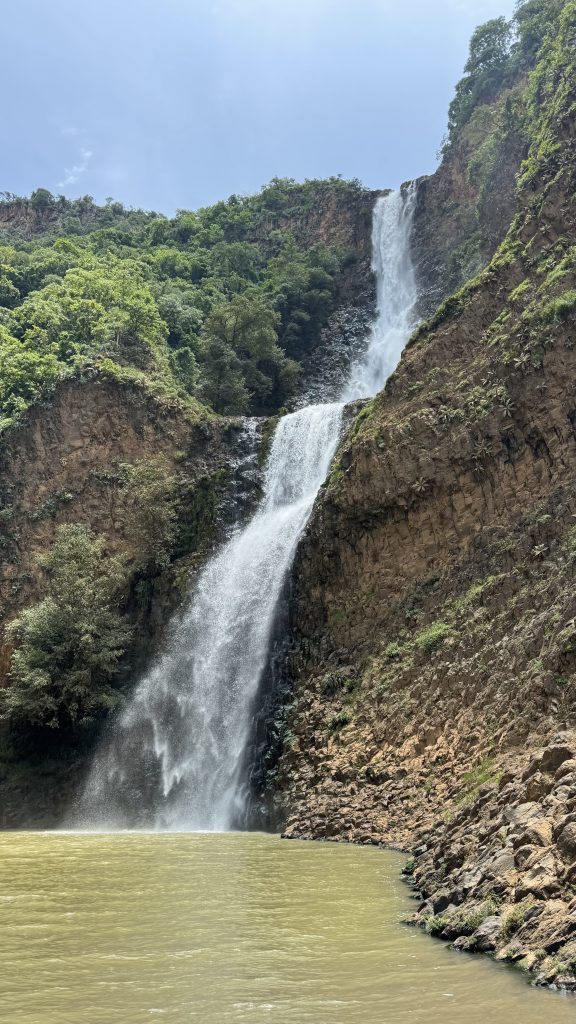
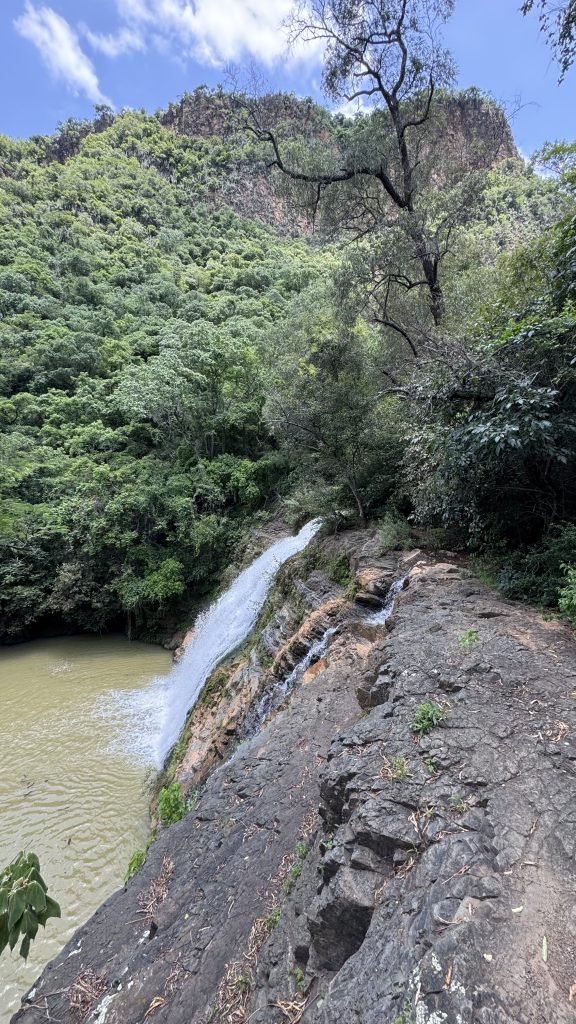
The main event of my trip, though, was hiking out to Salto del Nogal, the tallest waterfall in Jalisco at an impressive 105 meters. Getting there takes a bit of commitment: it’s about a 35-minute drive from Tapalpa’s town center to the trailhead, and from there, a hike of roughly an hour and 15 minutes to reach the falls.
The good news is that the hike out is mostly downhill, so it’s a manageable, pleasant walk through the forest without much strain. The bad news is that the way back is a fairly steep climb, so budget some extra time and energy for the return trip. Consider it a built-in workout to earn your view.
Once you arrive, there are actually two waterfalls to take in — the main 105-meter drop, and a smaller companion falls nearby. Standing near the base and looking up at that much water falling from such a great height is genuinely humbling. It’s easily one of the best natural sights I’ve seen near Guadalajara.
A few tips if you’re planning to go:
No description really does the scale of Salto del Nogal justice — if you’re ever in the Guadalajara area with half a day free, Tapalpa and this hike are absolutely worth it.
Start the morning at Nana Panadería, right across from the main square — great coffee, and pan dulces that are worth planning breakfast around. Their peach muffins and rol de canela were some of the best pastries I had all trip.
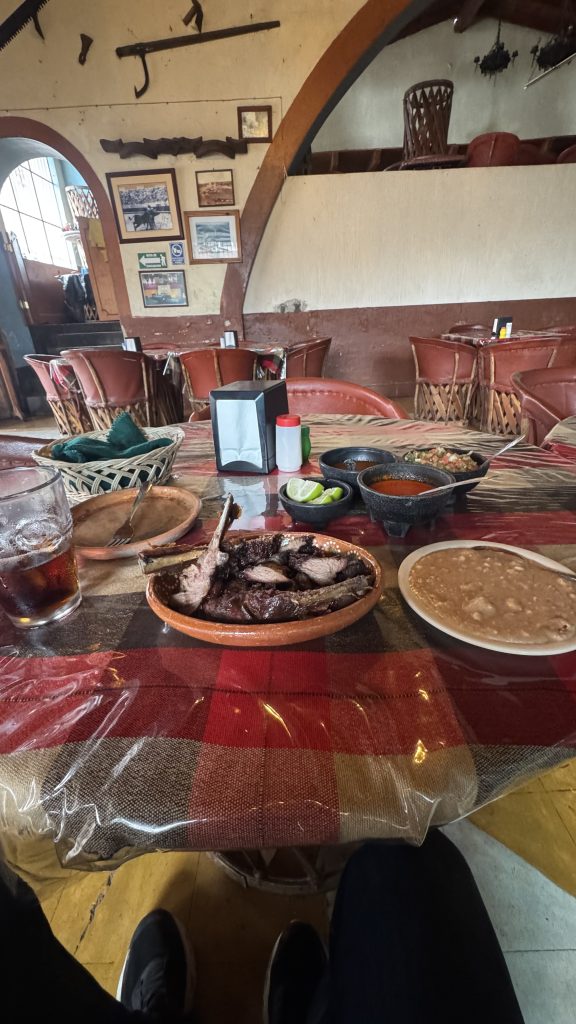
One of the things I always try to do when I travel is eat what the locals are known for, and in Tapalpa that means borrego. I found it at El Puente, where the lamb is slow-roasted over an open fire — and yes, the animal had been freshly butchered right out front. It doesn’t get much more local than that. The result was some of the most flavorful lamb I’ve had in Mexico: tender, smoky, and cooked the traditional way. It’s a good reminder that some of the best meals on a trip aren’t found in the fanciest restaurants, but in the regional dishes that have been prepared the same way for generations. If you make it to Tapalpa, don’t leave without trying the borrego.
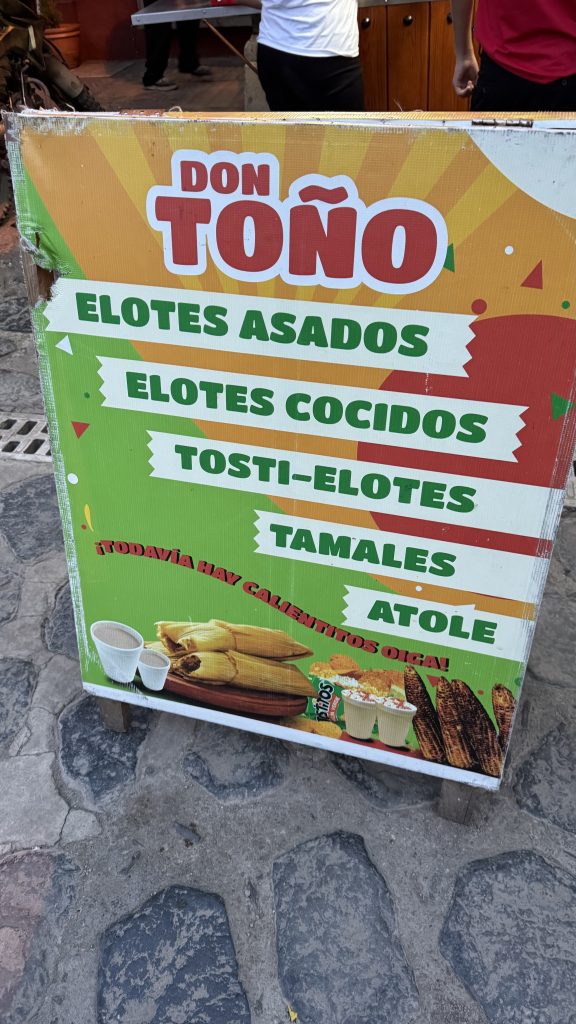
Also worth seeking out is tamal de acelga, a local tamale made with chard folded into the masa, usually bathed in salsa verde and crema — a good, warming option on a cold evening, paired with hot chocolate or café de olla. There are also plenty of carts around town selling tamales and elotes if you want something quick between stops. For something less traditional, a few restaurants near Eko Park serve slow-smoked wild boar and craft beer with forest views, which felt like a nice change of pace after a couple of heavier, meat-forward meals.
Save room for dessert: Tapalpa is known for its jamoncillos (milk-based sweets), fruit conservas, and pegoste, a dense, syrupy candy made from whole peaches cooked for hours in a copper pot. Pick some up from one of the small dulce shops near the plaza to take home — they don’t last long.
I share where to stay, where to go and what it’s really like travelling to Mexico as an LGBTQ+ traveler based on real experiences on the ground.
Tapalpa is about 120 km (75 miles) southwest of Guadalajara, roughly a two-hour drive via the Guadalajara–Colima or Guadalajara–Zapotlán highways. Direct buses also run from Guadalajara’s Central Camionera (Central Vieja) and take around two and a half hours.
Yes, it’s doable as a long day trip since the drive is about two hours each way, but an overnight stay gives you time to properly hike to Salto del Nogal and enjoy the town at a slower pace, especially since temperatures drop fast at night.
The dry season from November through May offers the most reliable weather. Because Tapalpa sits at over 2,000 meters, it stays cool year-round, so pack layers regardless of when you go.
It’s not technical, but it is deceiving: the trail out is mostly downhill and easy, while the return trip is a steep uphill climb. Budget around 1 hour 15 minutes each way, wear shoes you don’t mind getting muddy, and bring plenty of water.
The signature dish is borrego al pastor — lamb slow-roasted over an open fire — usually served with frijoles charros and ponche de granada. Tamal de acelga (chard tamales) and sweets like jamoncillos and pegoste are also local specialties worth trying.
Las Piedrotas, or Valle de los Enigmas, is a valley scattered with massive boulders whose origin isn’t fully explained — the leading theory points to an extinct nearby volcano. It’s a short drive from town and a popular spot for hiking, rappelling, and photos.
Options range from countryside resorts like La Toscania just outside town to boutique hotels around the main plaza and forest cabin rentals. Staying near the plaza is best if you want to walk everywhere; a resort outside town is better for quiet and views.
Yes — its high elevation (about 2,060 meters) means cool mornings and evenings even when Guadalajara is warm. Pack layers, a warm jacket for nights, and sturdy, grippy shoes if you’re hiking to the waterfall or through Las Piedrotas.

Tapalpa is proof that you don’t need to leave Jalisco to feel like you’ve left the heat, the coast, and the city noise entirely behind. Two hours from Guadalajara, and the air, the food, and the pace of things are completely different. Whether you’re there for the boulders, the waterfall, the lamb at El Puente, or just a fireplace and a cold-weather sweater you never get to wear at home, it’s an easy weekend trip that’s worth doing slowly.
About the Author
Tim is a seasoned travel writer and the creator of Out in Mexico, a dedicated resource for gay travelers exploring Mexico’s vibrant destinations. After relocating to Guadalajara, he has spent years immersing himself in Mexico’s gay culture, from the iconic beaches of Puerto Vallarta to the nightlife of Mexico City.
With firsthand experience in Mexico’s gay scene, Tim has personally visited the bars, hotels, and events featured in this guide. His insights have helped gay travelers plan unforgettable trips while ensuring they feel safe, welcomed, and informed.
When he’s not writing, you’ll find him sipping a mezcal cocktail at a bar in Guadalajara or travel to a new exciting destination in Mexico.
📍 Follow his adventures: @i.am.out.in.mexico
No related posts.
No related posts.
I share where to stay, where to go and what it’s really like travelling to Mexico as an LGBTQ+ traveler based on real experiences on the ground.
Gay-Friendly Bars, Restaurants, Culture
Local Tips You Won’t find on Google
Delivered straight to your Inbox twice a month
No Comments