
Table of Contents
Toggle
Mexico City, or CDMX as locals call it, is one of the most exciting LGBTQ+ destinations in the world — a city where world-class culture, incredible food, historic neighborhoods, and a thriving queer scene all come together. After living in Mexico and traveling extensively throughout the country, Mexico City has become one of my favorite places for its energy, diversity, and endless variety of experiences.
Whether you’re exploring the museums and historic landmarks of Centro Histórico, bar-hopping through Zona Rosa, wandering the tree-lined streets of Roma and Condesa, or attending one of the city’s massive Pride celebrations, there’s no shortage of things to do. From rooftop cocktail bars and local markets to queer nightlife and cultural attractions, this guide covers 43 of the best LGBTQ-friendly things to do in Mexico City so you can experience CDMX like a local.
At first glance, Mexico City can feel overwhelming because of its sheer size and variety of neighborhoods. For a deeper look at where to stay, nightlife, local tips, and LGBTQ+ culture, check out my complete Gay Mexico City Guide.
Real Experiences. Local Insights.
From a local who lives it.
The historic center of gay nightlife in CDMX, packed with bars, clubs, drag shows, and late-night energy.
One of the best museums in Latin America, featuring iconic Aztec and Mayan artifacts.
An incredible panoramic view over Centro Histórico and the Mexico City skyline.
A stunning architectural landmark known for murals, performances, and art exhibitions.
Explore the famous pyramids just outside the city and experience one of Mexico’s most important archaeological sites.
An independent queer-focused creative space hosting exhibitions, events, workshops, and community gatherings.
A walkable neighborhood filled with cafés, cocktail bars, boutique hotels, restaurants, and nightlife.
One of the best ways to experience Mexico City’s incredible food culture beyond tourist restaurants.
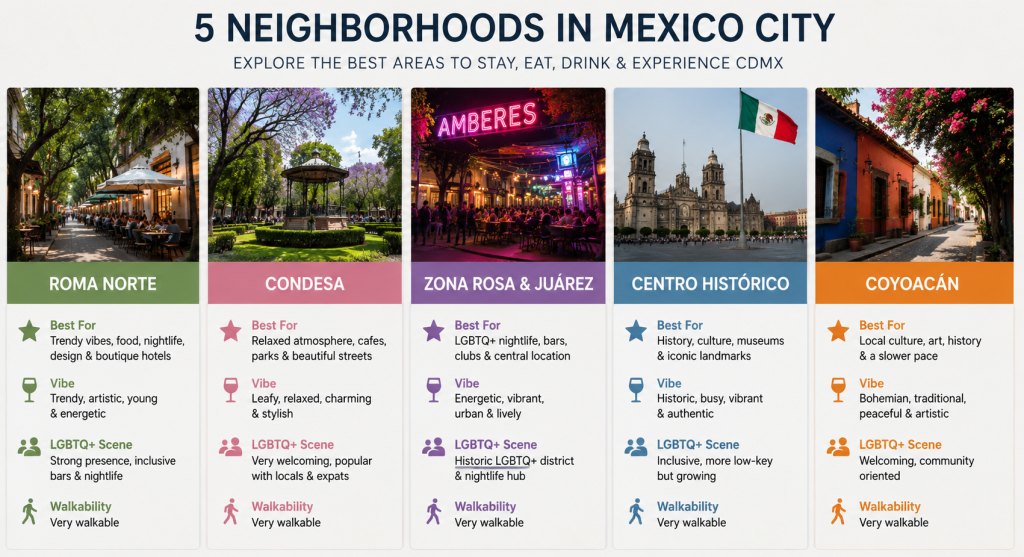
Mexico City is enormous, but several neighborhoods stand out for their culture, nightlife, architecture, and LGBTQ+ friendliness. For first-time visitors, these areas offer the best mix of attractions, restaurants, nightlife, and walkability.
Roma Norte
Roma Norte is one of the trendiest neighborhoods in Mexico City, known for its art galleries, cocktail bars, cafes, boutiques, and tree-lined streets. It’s one of the best areas to stay if you want a central location with easy access to nightlife, restaurants, and design-forward hotels.
The neighborhood has a relaxed but energetic atmosphere, especially on weekends when locals fill the parks, patios, and rooftop bars. Roma Norte is also home to some of the city’s best tacos, coffee shops, and cocktail bars. This is usually the neighborhood I recommend first-time visitors stay in because it’s walkable, central, and packed with some of my favorite places to eat and drink in CDMX.
Condesa
Adjacent to Roma Norte, Condesa is famous for its leafy streets, Art Deco architecture, parks, and café culture. The neighborhood feels slightly more residential and relaxed while still offering plenty of restaurants, nightlife, and boutique shopping.
Parque México and Parque España are two of the most popular gathering spots in the area, especially for locals walking dogs, jogging, or relaxing outdoors. Condesa is ideal if you enjoy slower mornings, brunch culture, and walkable streets. I especially love Condesa in the mornings, when the cafes begin filling up and the neighborhood feels noticeably calmer than much of the city.
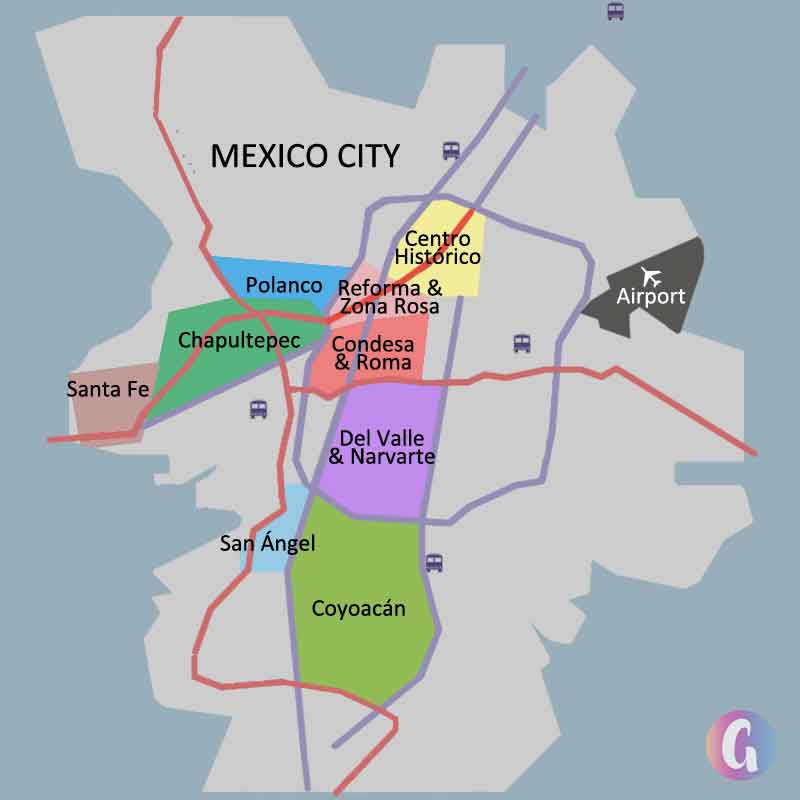
Zona Rosa & Juárez
Zona Rosa remains the historic center of LGBTQ+ life in Mexico City and is still one of the city’s top nightlife districts. Located within the larger Juárez neighborhood, the area is packed with gay bars, clubs, karaoke spots, drag shows, and late-night food.
While Zona Rosa can feel chaotic and gritty at times, that’s also part of its personality. It remains one of the most energetic and unapologetically queer neighborhoods anywhere in Latin America. Nearby Juárez has also evolved into one of the city’s coolest neighborhoods, blending nightlife, cocktail bars, galleries, and boutique hotels.
Centro Histórico
Centro Histórico is the cultural and historic heart of Mexico City. Here you’ll find massive colonial buildings, Aztec ruins, museums, Diego Rivera murals, bustling plazas, and some of the city’s most iconic landmarks.
The neighborhood can feel intense and crowded compared to Roma or Condesa, but it’s an essential part of understanding Mexico City’s history and energy. I always recommend spending at least one full day here because there’s simply so much to see within a relatively compact area.
Coyoacán
Coyoacán offers a completely different side of Mexico City. Known for its cobblestone streets, leafy plazas, markets, and artistic history, the neighborhood has a much slower and more traditional atmosphere than central CDMX.
It’s best known as the home of Frida Kahlo and Diego Rivera, but it’s also one of the city’s most charming neighborhoods for wandering, relaxing, and exploring local culture. Whenever I need a break from the intensity of central Mexico City, Coyoacán is one of my favorite places to slow down for an afternoon.
Mexico City is massive, and you could easily spend weeks exploring its neighborhoods, museums, nightlife, and food scene. For first-time visitors, I usually recommend spending at least 4–5 days in CDMX to experience the city without feeling rushed.
A long weekend is enough to see major highlights like Centro Histórico, Roma Norte, Condesa, Chapultepec Park, and Zona Rosa, while a full week gives you time for museums, markets, rooftop bars, and day trips like Teotihuacán or Xochimilco. Mexico City is the kind of place that rewards slower travel, and every neighborhood offers a completely different vibe.
Hotel Condesa DF, located in the heart of Condesa, blends Parisian chic with Mexican contemporary design. Known for its unique architectural style and laid-back mood, it’s the perfect spot for gay travelers seeking a stylish and inclusive stay.
Neighborhood: Condesa
Highlights:
Cost: $$$$
Guests love the eclectic decor and the sense of privacy at Condesa DF. Located right in one of the most gay-friendly neighborhoods, it’s easy to explore local bars, restaurants, and parks nearby.
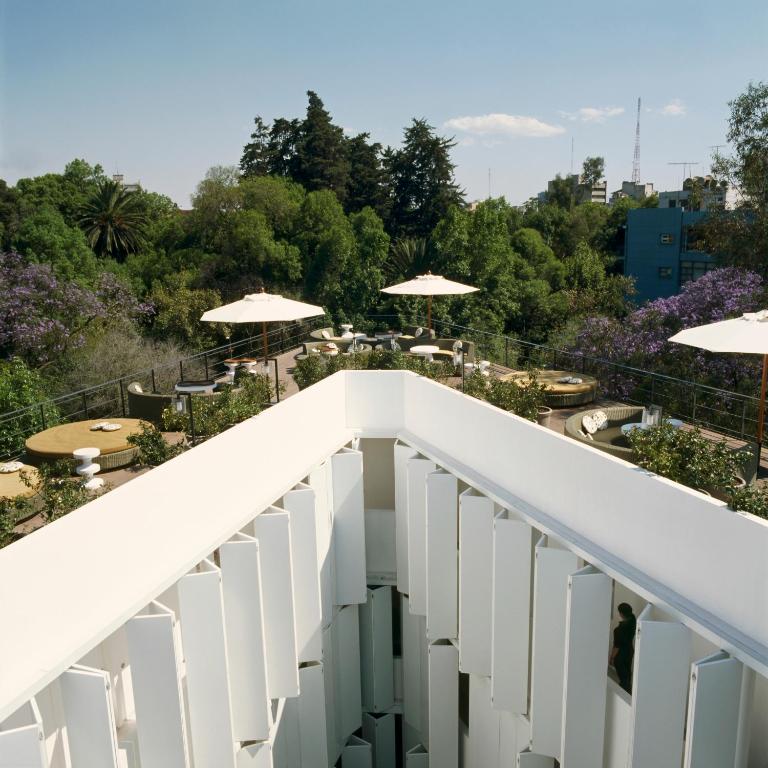
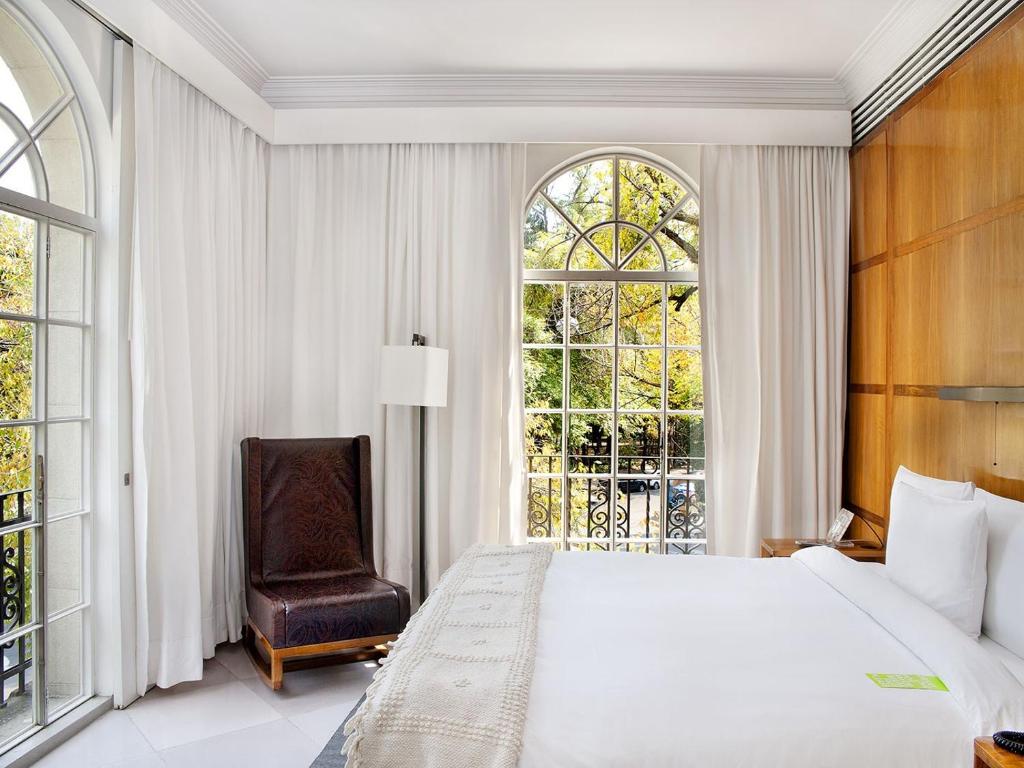
Located near the lush Parque Mexico, the Hippodrome Hotel offers an upscale, boutique experience with a contemporary design. This hotel is known for its sleek interiors, comfortable amenities, and personalized service, making it a great choice for gay travelers who want both style and comfort. The hotel’s commitment to inclusivity and its proximity to gay-friendly spots make it an ideal stay for travelers exploring Condesa.
Highlights:
Mood: Modern, stylish, and intimate
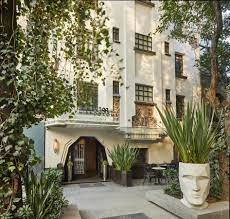
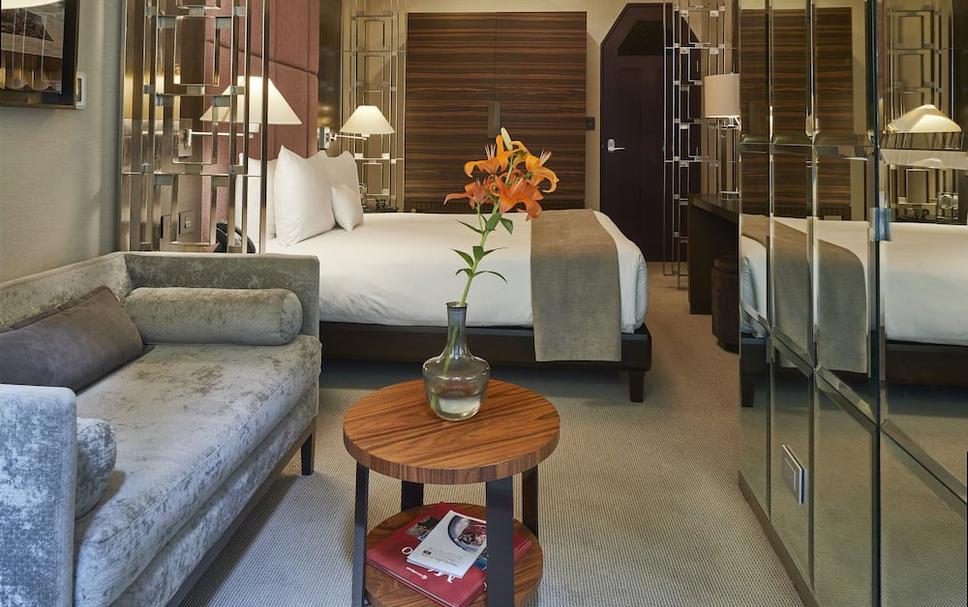
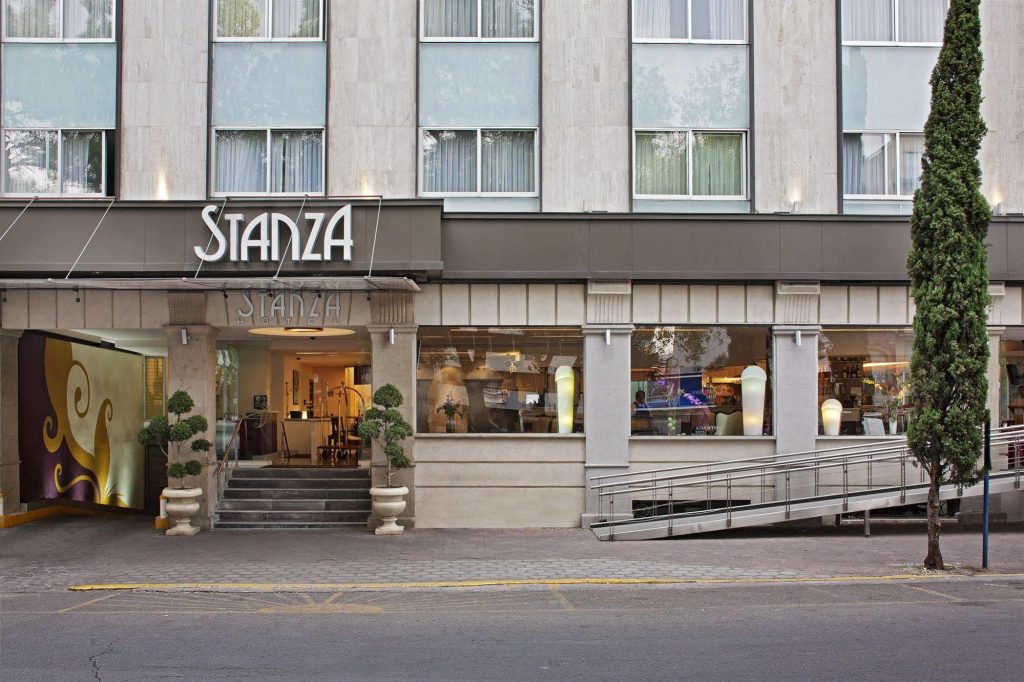
Hotel Stanza offers an affordable yet stylish option in the heart of Roma Norte. The hotel’s modern decor and friendly staff make it a popular choice for travelers on a budget who still want to enjoy the area’s lively scene.
Neighborhood: Roma Norte
Highlights:
Cost: $
The convenient location makes it easy for guests to explore Roma Norte’s nightlife, art, and culture. Stanza is a great value for those wanting to enjoy Mexico City’s gay-friendly atmosphere.
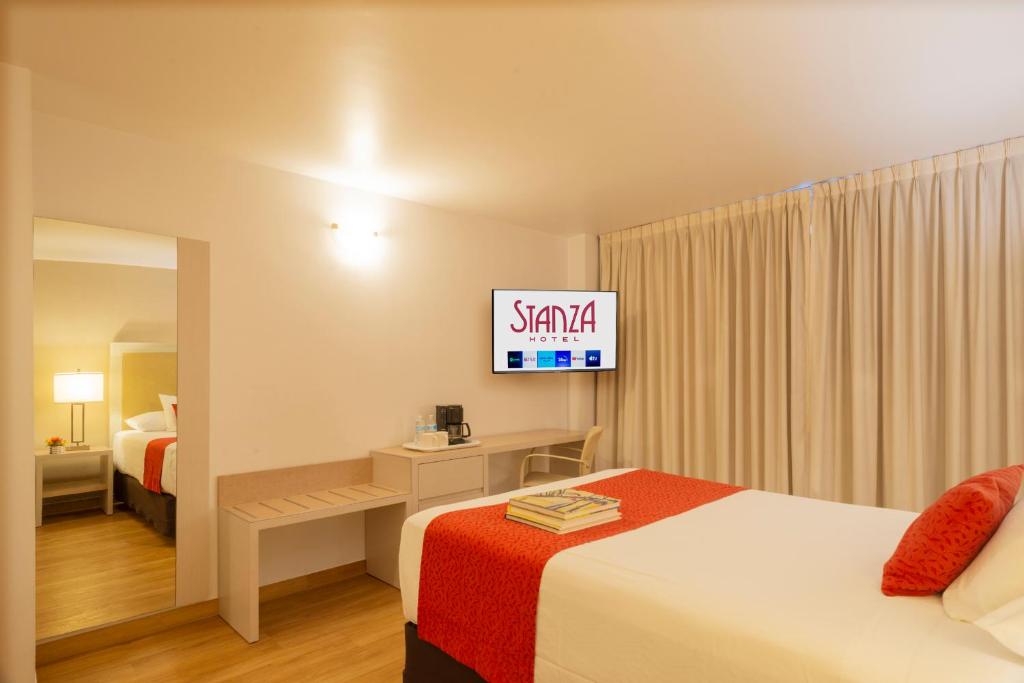
For a more options of boutique stays, luxury hotels, and nightlife-friendly accommodations, check out my complete Guide to Gay-Friendly Hotels in Mexico City.
Mexico City has one of the most dynamic LGBTQ+ scenes in Latin America, blending nightlife, culture, activism, and community across the city. From legendary gay bars in Zona Rosa and drag performances that go until sunrise to queer art spaces, film festivals, and Pride celebrations, CDMX offers far more than just nightlife.
The city is also one of the most progressive and inclusive destinations in the region, with a large visible queer community and strong LGBTQ+ presence throughout neighborhoods like Zona Rosa, Roma Norte, Condesa, and Juárez. Whether you’re traveling solo, as a couple, or with friends, Mexico City generally feels open, welcoming, and easy to navigate for LGBTQ+ travelers.
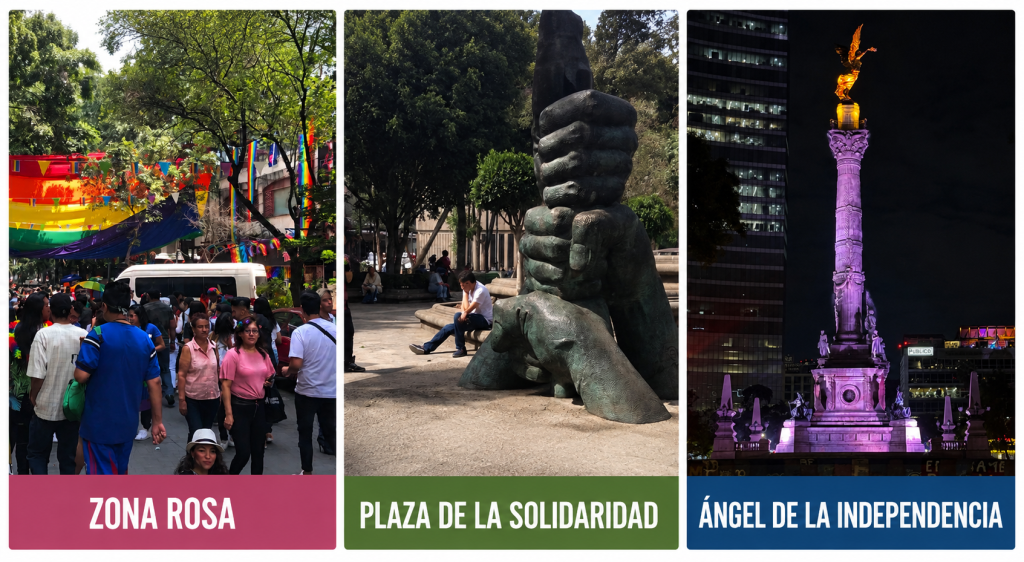
Zona Rosa remains the historic center of LGBTQ+ nightlife in Mexico City and one of the city’s most energetic neighborhoods after dark. Located within the Juárez neighborhood, the area is packed with gay bars, clubs, karaoke spots, drag shows, dance floors, and late-night taco stands.
Amberes Street is the main hub of activity, making it easy to hop between venues throughout the night. Some of the most popular spots include La Purísima, known for its energetic dance floor and inclusive atmosphere, and Kinky Bar, a multi-level venue featuring drag shows, DJs, and rooftop spaces.
While Roma Norte and Juárez have become increasingly popular for LGBTQ+ nightlife in recent years, Zona Rosa remains an essential part of queer culture in CDMX. Personally, I love how diverse the nightlife feels here — you can go from a drag show to a queer rooftop party to a late-night taco stand all within a few blocks.
Near Alameda Central, Plaza de la Solidaridad is home to Latin America’s first permanent rainbow crosswalks, installed in 2016 as a symbol of LGBTQ+ visibility and inclusion in Mexico City.
The area frequently hosts Pride-related gatherings, activism events, and public celebrations throughout the year. It’s also a great stop while exploring Centro Histórico and nearby cultural attractions.
Located along Paseo de la Reforma, the Ángel de la Independencia is one of Mexico City’s most iconic landmarks and an important gathering point for celebrations, protests, and major public events.
The monument has become especially significant to the LGBTQ+ community during Mexico City Pride, when thousands gather around Reforma for the annual parade and celebrations. The surrounding area is also filled with hotels, restaurants, cocktail bars, and nightlife, making it one of the liveliest parts of the city.
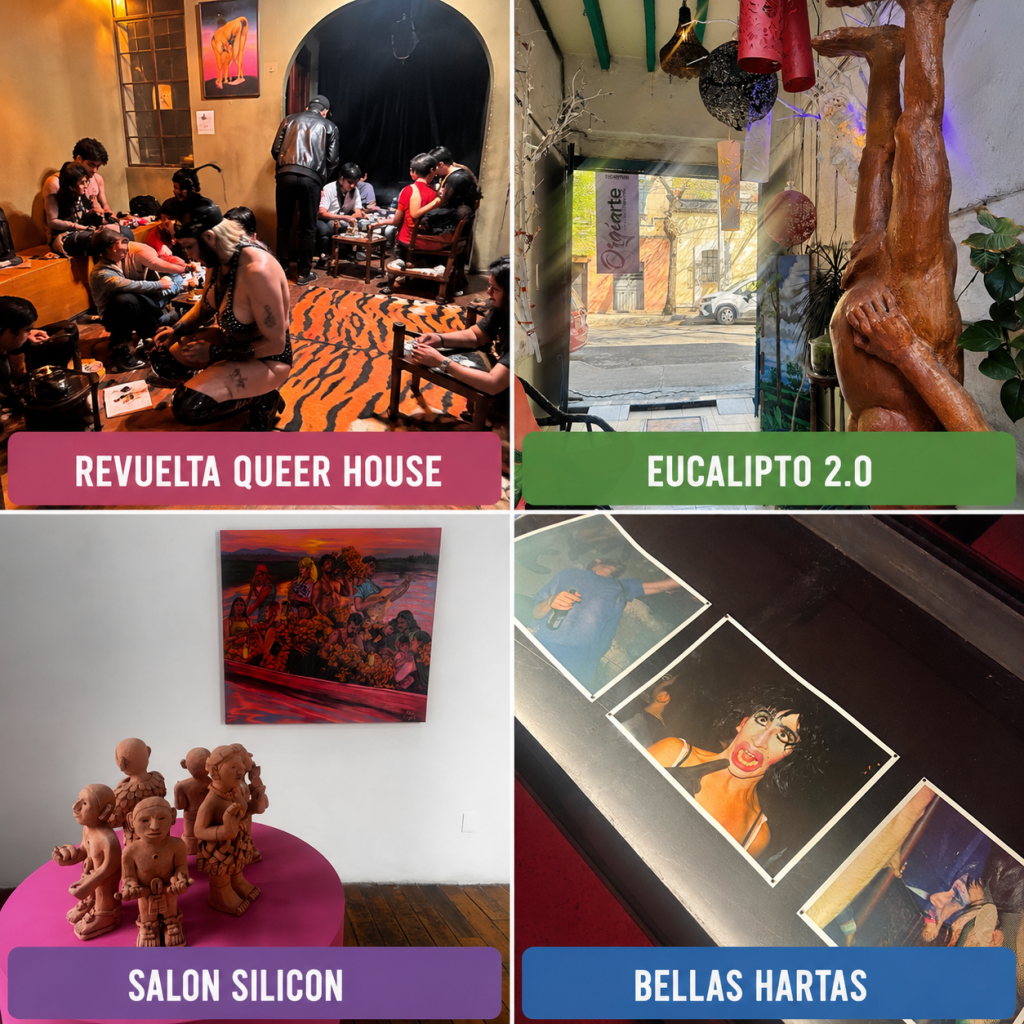
Beyond nightlife, Mexico City has a growing network of queer-focused galleries and creative spaces that highlight LGBTQ+ artists, experimental exhibitions, performance art, and alternative cultural programming. These spaces have become an important part of the city’s contemporary queer scene, offering visitors a chance to experience a more creative and community-driven side of LGBTQ+ culture in CDMX.
Museo Universitario del Chopo is one of Mexico City’s most important alternative cultural spaces and regularly hosts exhibitions, performances, and events exploring gender, sexuality, and identity.
Located in Santa María la Ribera, the museum is known for experimental art, queer-focused programming, underground film screenings, and support for marginalized voices. The striking iron structure housing the museum is worth seeing on its own.
Cineteca Nacional is one of the best places in Mexico City to experience independent and international cinema, including queer films and LGBTQ+ film festivals throughout the year.
Beyond the screenings, the complex itself is a popular social gathering spot with outdoor seating areas, cafes, and a relaxed atmosphere that attracts a diverse crowd of locals, artists, and students. It’s a great option if you want something cultural and low-key after several nights of bars or late dinners.
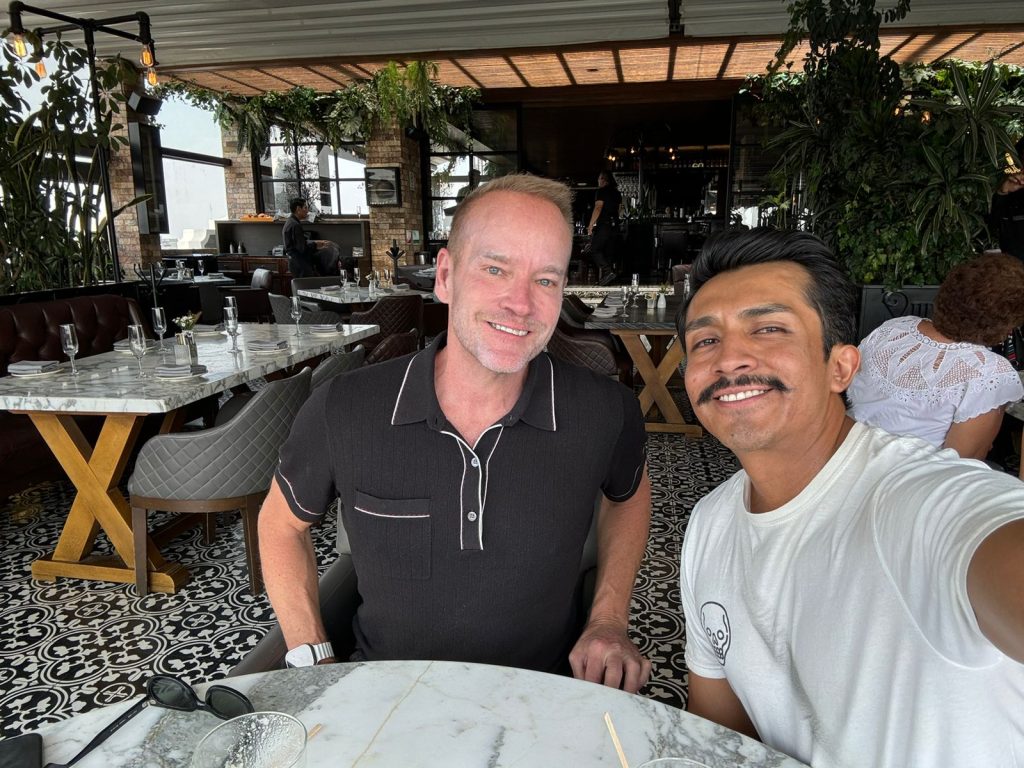
One of the best ways to experience Mexico City’s LGBTQ+ culture beyond the nightlife is through a tour with Divercitours, an LGBTQ+-owned tour company founded by local guide Saúl Franco. I first joined one of Saúl’s tours in 2024, and it completely changed the way I experienced CDMX. His deep knowledge of the city’s queer history, art, politics, and cultural movements brought Mexico City to life in a way that felt far more personal than a traditional sightseeing tour.
Since 2019, Saúl and the Divercitours team have been leading small-group, LGBTQ+-affirming experiences focused on storytelling, community, and local connection. Tours are led by a diverse team that includes gay, bisexual, and trans guides, helping create experiences that genuinely reflect Mexico City’s queer community. Most tours last between 3–5 hours, with options ranging from history and food tours to nightlife experiences and excursions to Teotihuacán.
Popular Divercitours experiences include:
Instagram: @divercitours
WhatsApp: +52 56 1453 7857
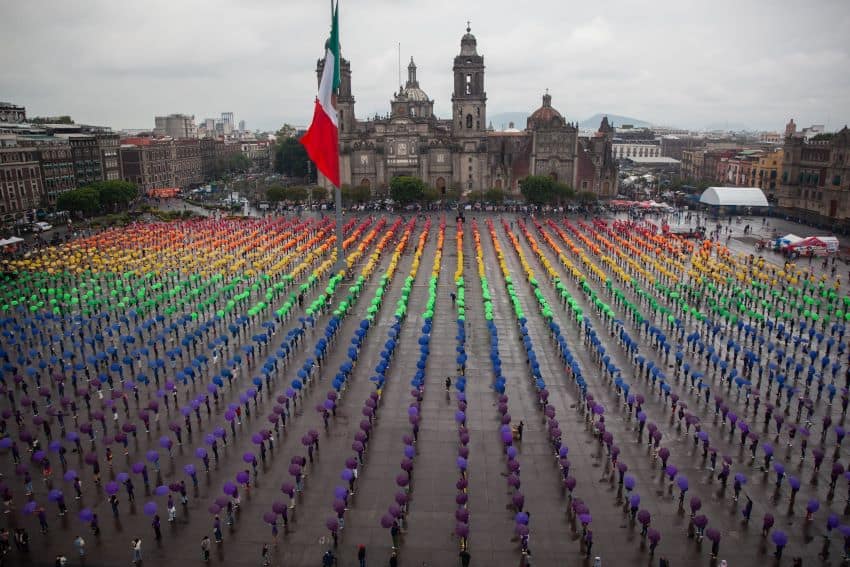
Mexico City Pride, known locally as Marcha del Orgullo, is one of the largest Pride celebrations in Latin America. Held every June near the end of the month, the parade brings together hundreds of thousands of people for a massive celebration of LGBTQ+ rights, visibility, and community.
The parade typically begins near the Ángel de la Independencia and ends in the Zócalo, with colorful floats, performances, music, and celebrations taking place throughout the city all weekend long. If your trip overlaps with Pride weekend, it’s one of the most unforgettable times to experience the energy of queer Mexico City.
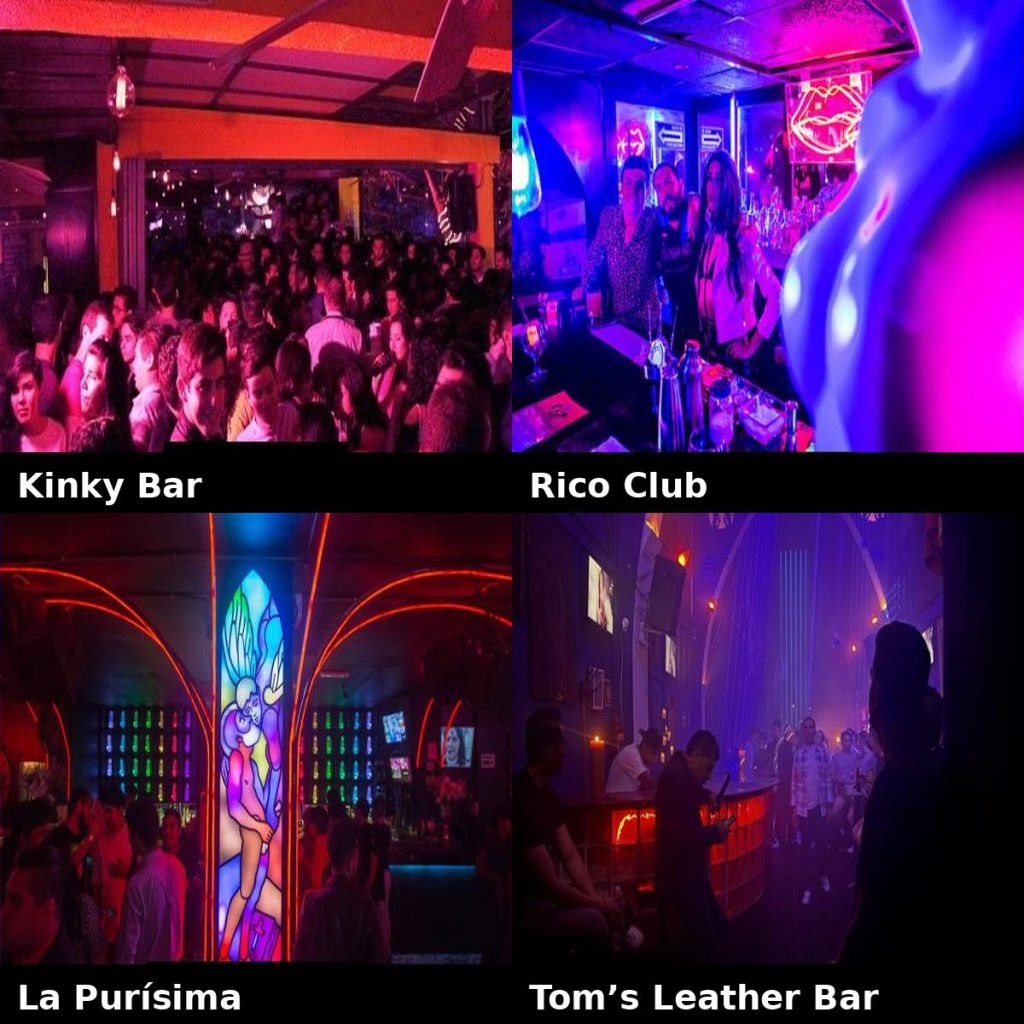
Mexico City has one of the largest and most diverse gay nightlife scenes in Latin America, with everything from massive dance clubs and drag bars to leather bars, queer cocktail lounges, underground parties, sex clubs, and LGBTQ+ pop-up events happening throughout the city. While Zona Rosa remains the historic center of gay nightlife in CDMX, neighborhoods like Juárez, Roma Norte, and Condesa have also developed thriving queer scenes in recent years.
Some of the city’s most popular venues include La Purísima in Centro, Kinky Bar in Zona Rosa, Tom’s Leather Bar in Condesa, and Rico Club in Juarez. These venues are just a small sampling of the city’s nightlife options, as there are dozens of LGBTQ+ bars, clubs, after-hours parties, and queer events happening across Mexico City on any given weekend.
For a much more comprehensive breakdown of bars, clubs, drag shows, cruising spaces, and nightlife districts, check out my complete Mexico City Gay Nightlife & Entertainment guide.
Mexico City is one of the most culturally rich cities in the Americas, filled with world-class museums, historic landmarks, public art, and layers of Aztec and colonial history. Even beyond the nightlife and food scene, the city’s cultural attractions alone make it worth visiting.
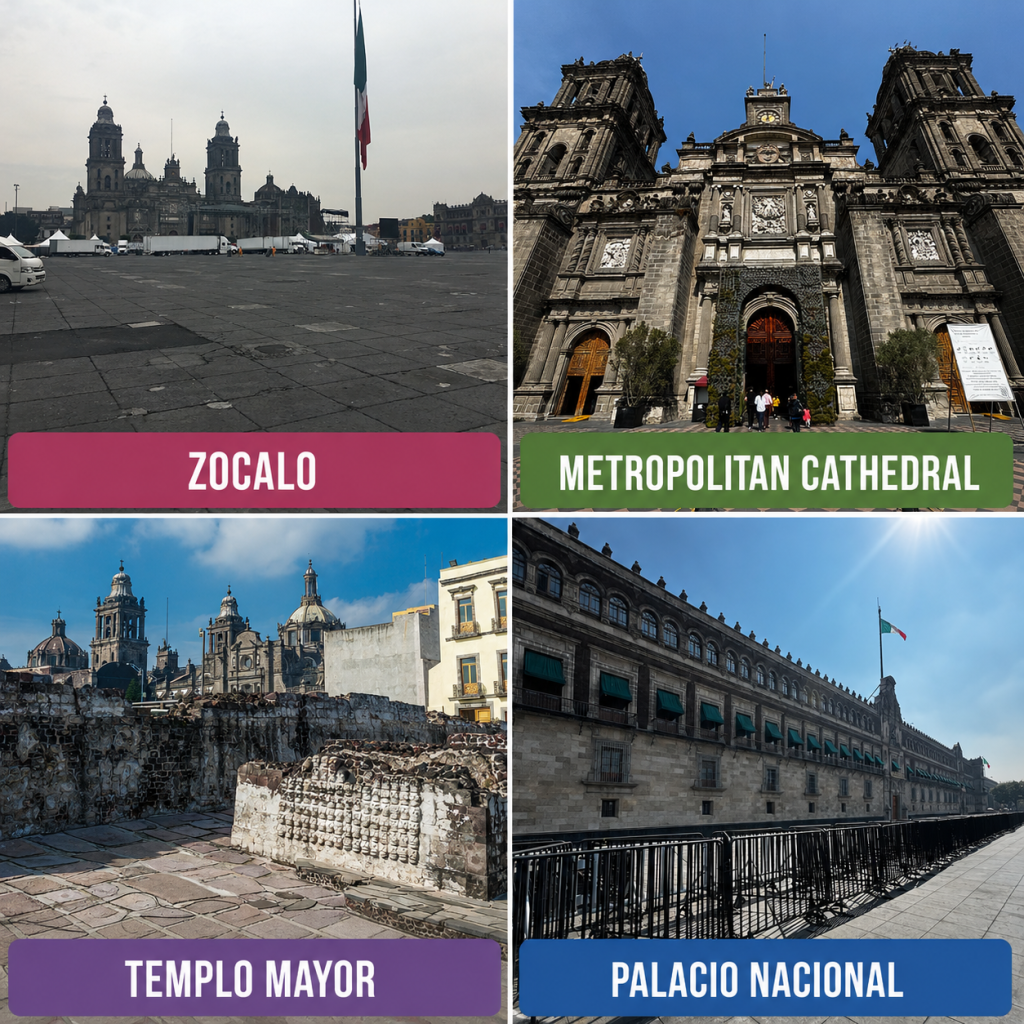
The Zócalo is the historic center of Mexico City and one of the largest public squares in the world. Surrounded by colonial architecture, government buildings, and museums, it has served as the city’s main gathering place for centuries.
Towering above the square is the Metropolitan Cathedral, one of the oldest and largest cathedrals in the Americas. Its architecture blends Baroque, Renaissance, and Neoclassical styles, while the interior features ornate altars, chapels, and historic artwork. Even if you only have a short time in Centro Histórico, this area gives you a powerful sense of Mexico City’s scale and history.
Just steps from the Zócalo are the ruins of Templo Mayor, one of the most important archaeological sites in Mexico City. Once the main temple of the Aztec capital of Tenochtitlan, the ruins provide a fascinating glimpse into the city’s pre-Hispanic origins.
Nearby, Palacio Nacional houses Diego Rivera’s famous murals depicting the history of Mexico. The massive works are among Rivera’s most impressive and help bring Mexico’s complex history to life.
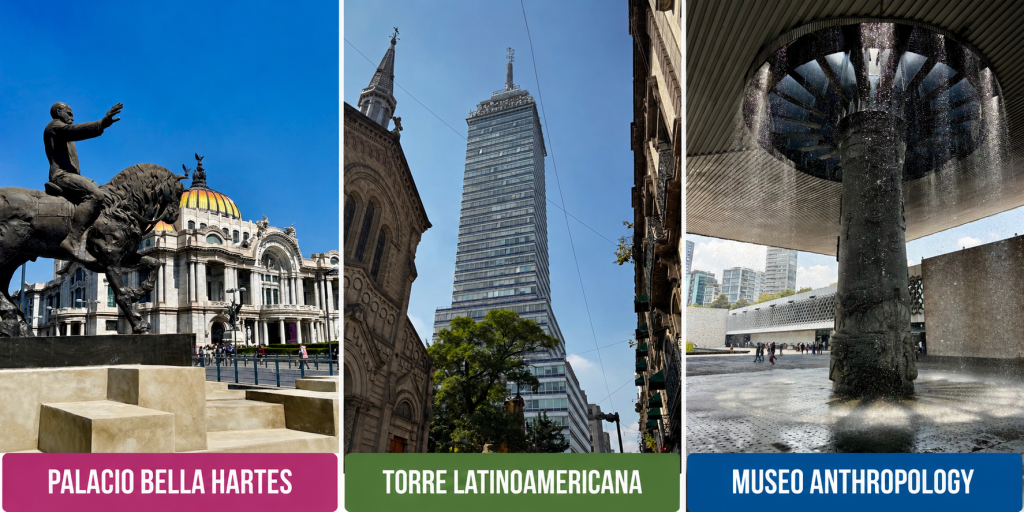
One of Mexico City’s most recognizable landmarks, Palacio de Bellas Artes is an architectural masterpiece known for its Art Nouveau and Art Deco design. Inside, visitors can see murals by Diego Rivera, David Alfaro Siqueiros, and José Clemente Orozco, along with performances from the Ballet Folklórico de México.
Just outside, Alameda Central offers a relaxing green space with fountains, monuments, and shaded walking paths. This is one of those classic Mexico City stops I never get tired of seeing, especially when the marble facade catches the afternoon light.
For panoramic views of Mexico City, head to the Torre Latinoamericana observation deck. The skyline views stretch across the city toward Chapultepec, Reforma, and the surrounding mountains.
Sunset is one of the best times to visit, especially when the city lights begin to glow across the valley. It’s also a great way to understand just how massive CDMX really is.
The National Museum of Anthropology is one of the best museums in the world and an absolute must-visit in Mexico City. The museum houses extraordinary artifacts from Mexico’s indigenous civilizations, including the Aztec Sun Stone, colossal Olmec heads, Mayan artifacts, and intricate sculptures.
Even visitors who don’t typically love museums are often blown away by the scale and quality of the exhibits. This is one museum I never skip recommending, especially for first-time visitors who want a deeper understanding of Mexico’s history and identity.
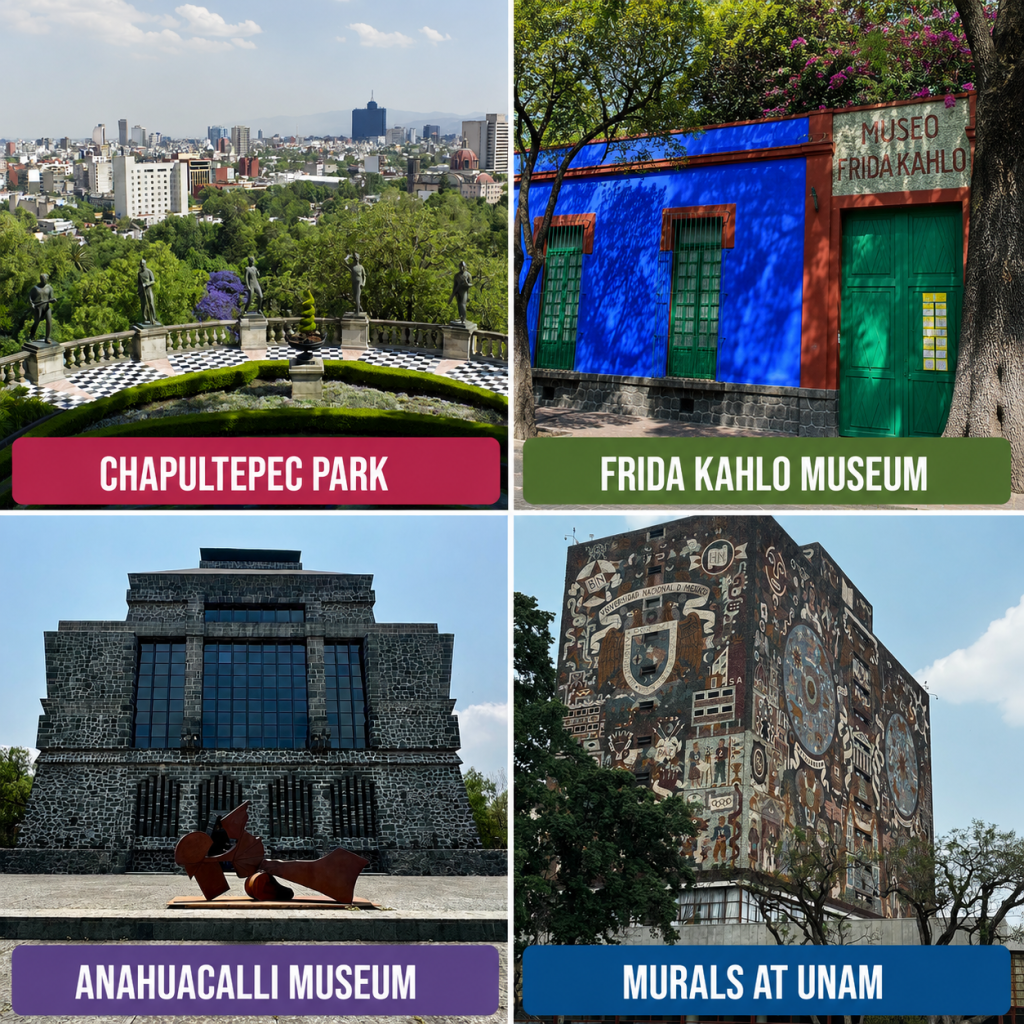
Chapultepec Park is one of the largest urban parks in the world and home to several of Mexico City’s most important museums and cultural institutions.
Highlights include Chapultepec Castle, the Museum of Modern Art, Museo Tamayo, walking trails, lakes, and countless green spaces perfect for relaxing between sightseeing stops. It’s easy to spend a full afternoon here, especially if you combine the park with the Anthropology Museum or Chapultepec Castle.
Located in Coyoacán, the Frida Kahlo Museum (La Casa Azul) is one of the most visited museums in Mexico. The museum preserves the longtime home of Frida Kahlo and Diego Rivera, offering an intimate look into Kahlo’s life, relationships, artwork, and personal belongings.
The peaceful gardens and preserved living spaces make this one of the city’s most memorable museum experiences. I recommend booking tickets in advance because this is one of the few attractions in Mexico City where showing up without a reservation can easily lead to disappointment.
Built by Diego Rivera to house his enormous collection of pre-Hispanic artifacts, the Anahuacalli Museum is one of the city’s most underrated cultural attractions.
The volcanic-stone structure resembles a modern Mesoamerican temple and offers incredible architecture alongside thousands of artifacts collected throughout Rivera’s life. If you’re already heading south to Coyoacán, this is a worthwhile addition for travelers who love architecture, art, and pre-Hispanic history.
The Universidad Nacional Autónoma de México (UNAM) is home to some of Mexico’s most iconic murals and public artwork created by artists like Diego Rivera, David Alfaro Siqueiros, and Juan O’Gorman.
The campus itself is a UNESCO World Heritage Site and worth visiting for both the architecture and cultural significance. It’s one of the best places to see how public art, education, politics, and Mexican identity come together in one space.
For more cultural attractions, check out my complete guide to the best museums in Mexico City.
Mexico City is one of those places where you could spend weeks and still only scratch the surface. If you’re building out your itinerary, these guides will help you dive deeper into the city’s museums, neighborhoods, nightlife, food scene, shopping, and day trips.
➡️ Mexico City Gay Guide
My complete LGBTQ+ guide to Mexico City, including nightlife, gay bars, hotels, neighborhoods, Pride events, queer culture, and local tips for LGBTQ+ travelers.
➡️ Best Cocktail Bars in Mexico City
Discover some of the city’s top cocktail bars, speakeasies, mezcalerías, rooftop lounges, and award-winning nightlife spots across Roma Norte, Juárez, Condesa, and beyond.
➡️ Best Museums in Mexico City
A curated guide to CDMX’s standout museums, from major art institutions and anthropology collections to smaller cultural spaces worth adding to your itinerary.
➡️ Best Day Trips from Mexico City
Perfect if you want to explore beyond the city, including pyramids, colorful towns, historic sites, and easy escapes from CDMX.
➡️ Best Boutiques & Shopping in Mexico City
For design lovers, this guide covers independent boutiques, concept stores, fashion, home goods, artisan markets, and locally made.
➡️ Mexico City Gay Nightlife & Entertainment Guide
A deeper look into CDMX’s LGBTQ+ nightlife scene, including gay bars, clubs, drag shows, queer parties, cruising spaces, cabaret performances, and late-night entertainment across Zona Rosa, Juárez, Roma Norte, and beyond.
Mexico City is one of the best food cities in the world, offering everything from legendary street tacos and traditional markets to award-winning cocktail bars and innovative fine dining. Exploring the city through food is one of the best ways to experience local culture.
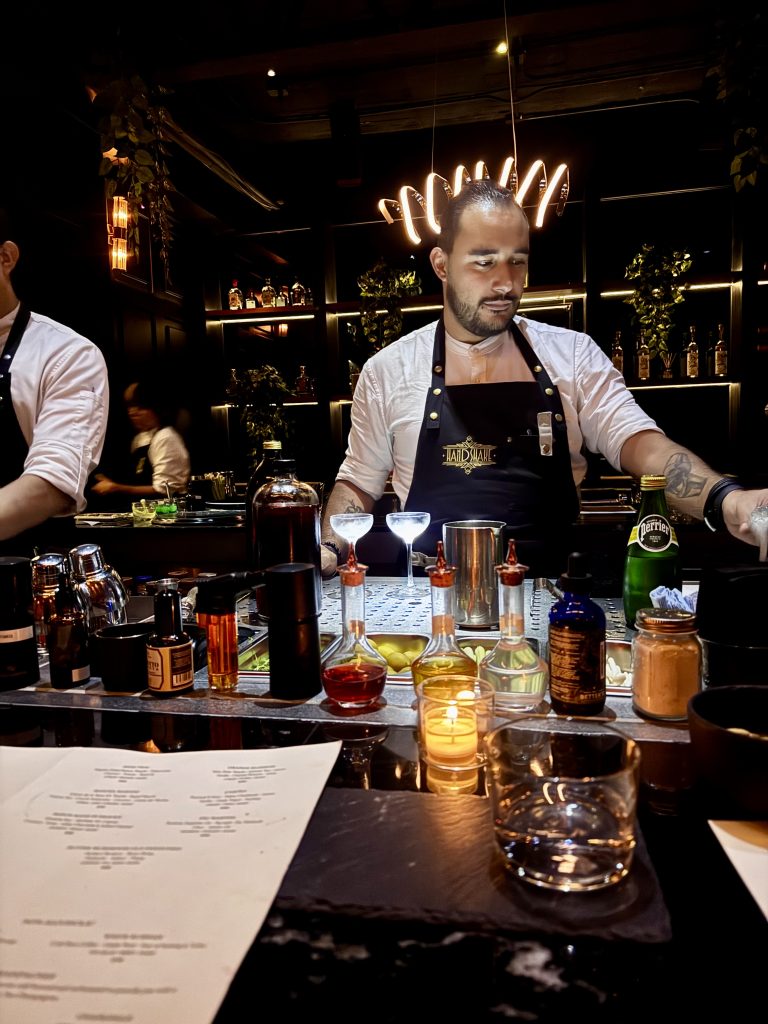
Mexico City has become one of the world’s top cocktail destinations, with several bars regularly appearing on North America’s 50 Best Bars list. From hidden speakeasies to mezcal-focused cocktail lounges, the city’s bar scene is incredibly diverse.
Some of the best cocktail bars in CDMX include Limantour in Roma Norte, Hanky Panky in Juárez, Tlecan for mezcal-focused cocktails, Brujas for creative drinks inspired by Mexican folklore, and Baltra Bar in Condesa. Many of the city’s best bars are located on rooftop terraces overlooking Reforma, Roma Norte, and Centro Histórico, making rooftop cocktails one of the best ways to experience the Mexico City skyline at sunset.
For more recommendations, check out my full guide to the best cocktail bars in Mexico City.
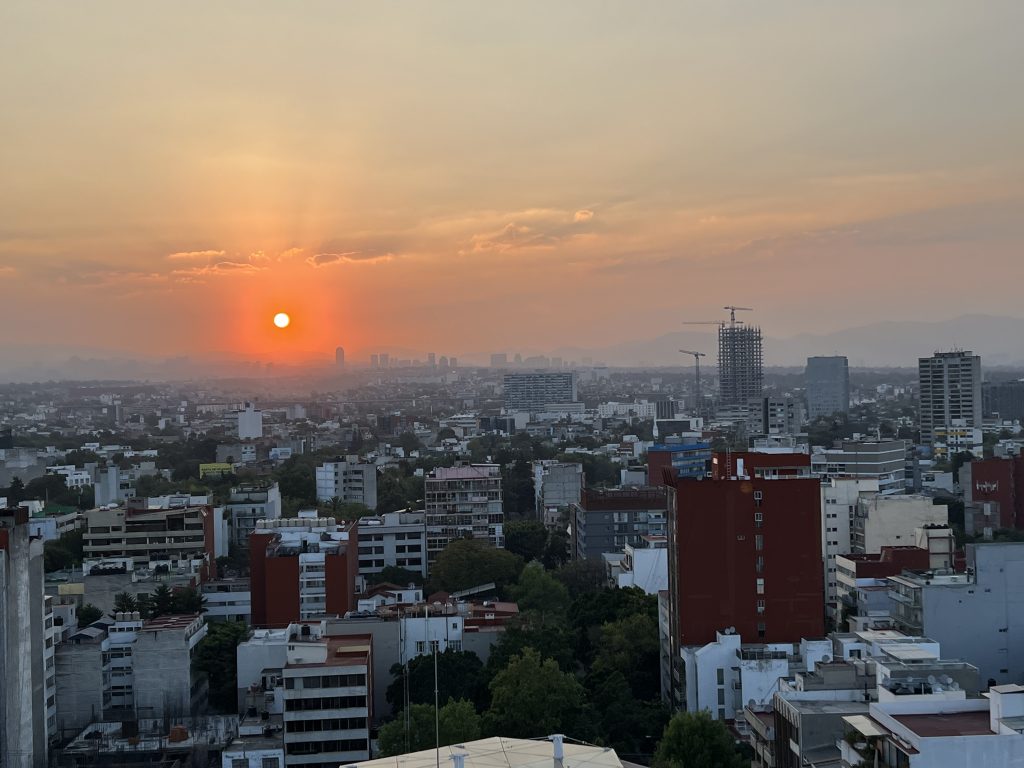
One of the best ways to experience Mexico City is from above. Across neighborhoods like Roma Norte, Juárez, Reforma, and Centro Histórico, rooftop bars and terraces have become a huge part of the city’s social scene, offering skyline views, craft cocktails, DJs, queer events, and sunset gatherings high above the busy streets below.
Sunset is easily my favorite time to experience Mexico City’s rooftop scene, especially during the dry season when the city glows gold across the skyline and the volcanoes occasionally become visible in the distance.
One of my favorite queer-friendly rooftops in the city is Revuelta Queer House in Roma Norte, which blends cocktails, art exhibitions, performances, nightlife, and LGBTQ+ community events into one creative rooftop space. The atmosphere feels far more community-oriented and alternative than many of the city’s trendier rooftops, making it one of the most unique places to spend an evening in CDMX.
Another standout is the rooftop at Cabuya (Andaz Hotel), which offers panoramic views over Condesa along with cocktails, DJs, and a more upscale atmosphere. It’s especially popular around sunset and one of the best spots for skyline views in the neighborhood.
Other popular rooftops in Mexico City include:
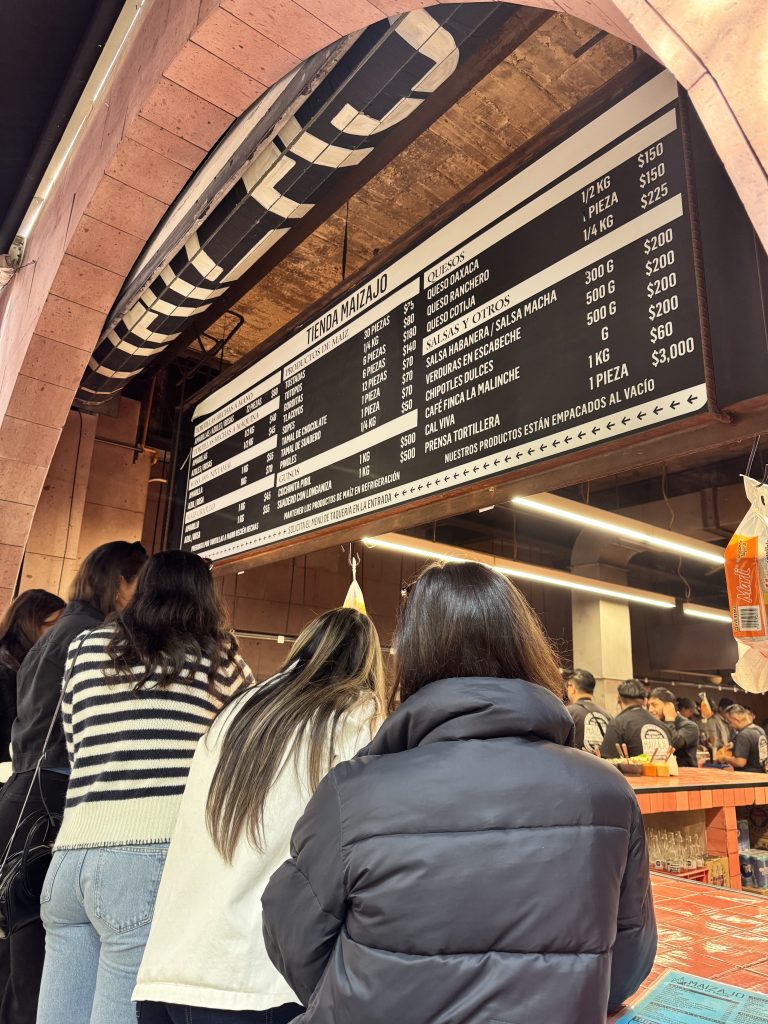
There’s no better city in the world for tacos than Mexico City. From tiny street stands to modern taquerías, you’ll find endless varieties ranging from tacos al pastor and carnitas to regional specialties from across Mexico.
Some of my favorite meals in Mexico City have honestly come from tiny taco stands with only a few stools and a long line of locals waiting outside. Popular spots include MaizyAjo, Cariñito Tacos, El Huequito, Taquería Orinoco, Los Cocuyos, El Califa, and Tacos de Canasta El Abuelos
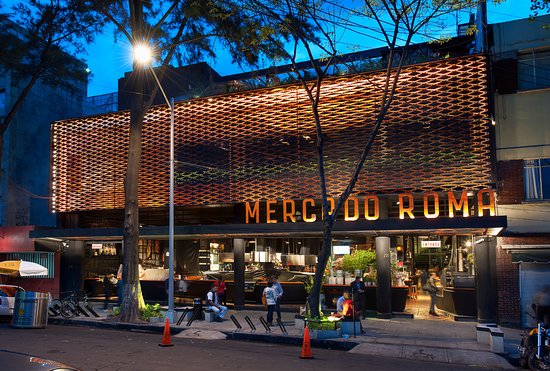
Mercado Roma is one of the city’s most popular gourmet food halls, offering everything from burgers and pizza to charcuterie, tacos, desserts, and craft cocktails. It’s a great option for groups or picky eaters since everyone can find something different.
While more upscale than many traditional markets in the city, it’s still a fun and accessible introduction to Mexico City’s modern food scene. I like it most when traveling with people who all want something different but still want to eat together in one easy location.
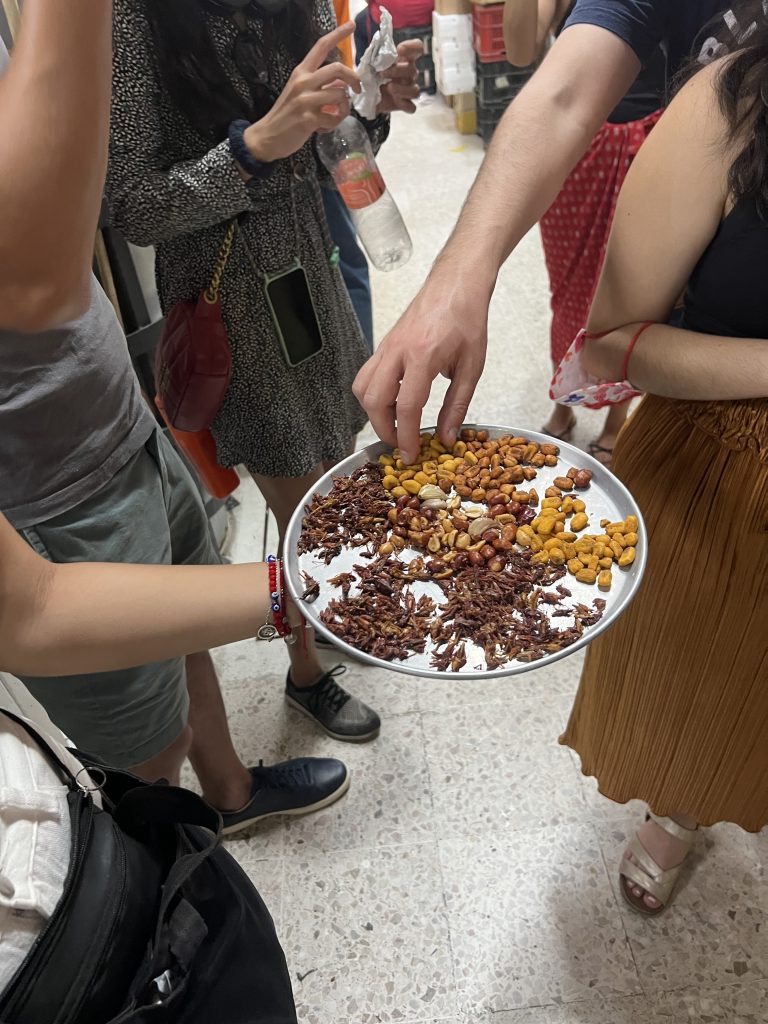
One of the best ways to experience Mexico City’s street food culture is through a local food tour. Companies like Club Tengo Hambre offer guided experiences that introduce visitors to tacos, markets, regional specialties, mezcal, and neighborhood food traditions.
Food tours are also a great way to discover smaller local spots you might otherwise miss. For first-time visitors, this can be especially helpful because Mexico City’s food scene is huge, delicious, and sometimes overwhelming in the best way.
Mexico City has become one of Latin America’s top destinations for independent fashion, interior design, artisan goods, and contemporary Mexican craftsmanship. Neighborhoods like Roma Norte, Juárez, and Polanco are filled with concept stores, local designers, galleries, and boutiques showcasing modern Mexican creativity, while traditional markets offer handmade crafts and souvenirs from across the country.
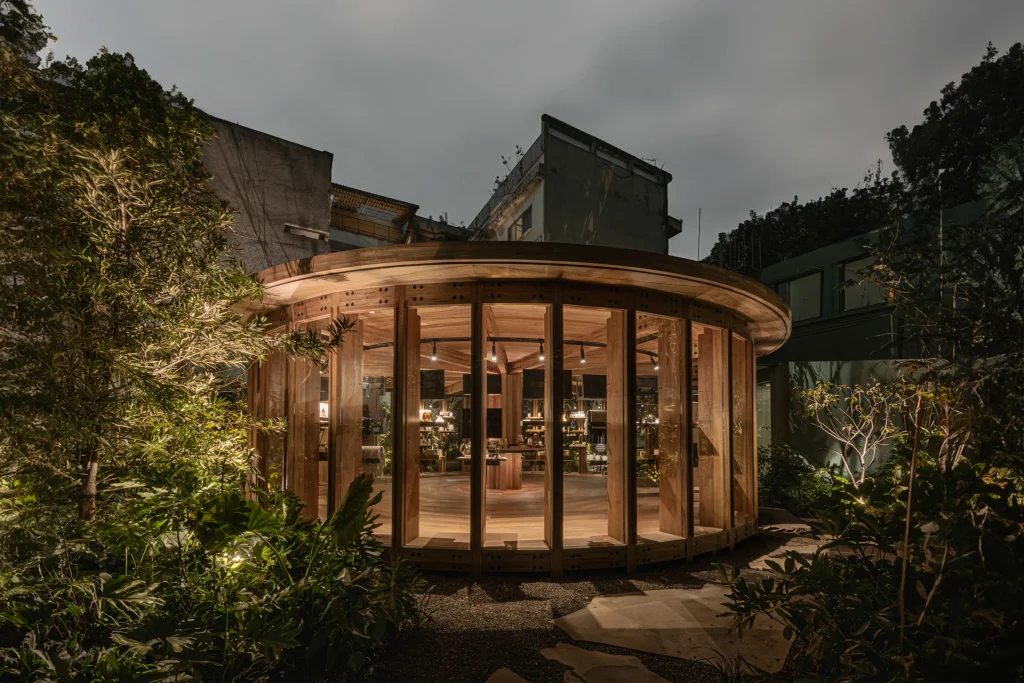
Roma Norte and Juárez are especially known for their independent boutiques and fashion-forward concept stores. Goodbye Folk in Roma Norte is popular for its retro-inspired clothing, vintage aesthetic, and rock-and-roll influence, while Maison Manila in Juárez specializes in elevated contemporary Mexican fashion and tailored pieces.
For more avant-garde and streetwear-inspired styles, 180º Shop in Roma Norte highlights independent Mexican designers with a more fashion-forward approach. In Polanco, Ikal focuses on sustainable and locally produced fashion, home goods, and artisanal design.
Another standout is Amor & Rosas, which collaborates with artisans across Mexico to incorporate traditional craftsmanship, embroidery, and textiles into contemporary fashion pieces. This is one of the reasons I love shopping in Mexico City — you can find pieces that feel modern and stylish while still rooted in Mexican craft traditions.
For more shopping recommendations, check out my guide to the best boutiques and design stores in Mexico City.
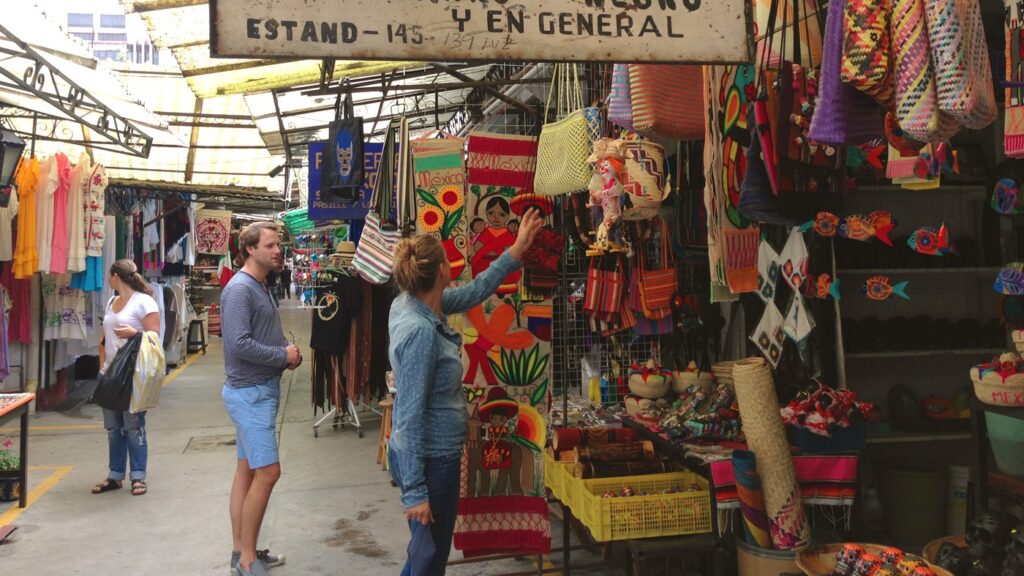
If you’re looking for authentic Mexican souvenirs and handicrafts, Mercado de la Ciudadela is one of the best places to shop in Mexico City. This large artisan market brings together handmade goods from across the country, making it an easy one-stop destination for traditional Mexican craftsmanship.
You’ll find everything from Oaxacan textiles and embroidered clothing to Talavera pottery, woven baskets, ceramics, folk art, leather goods, and silver jewelry from Guerrero. Compared to many tourist shops around the city, prices here are generally affordable, and the selection is far more diverse. Even if you’re not planning to shop, the market is worth visiting for the colors, craftsmanship, and atmosphere alone.
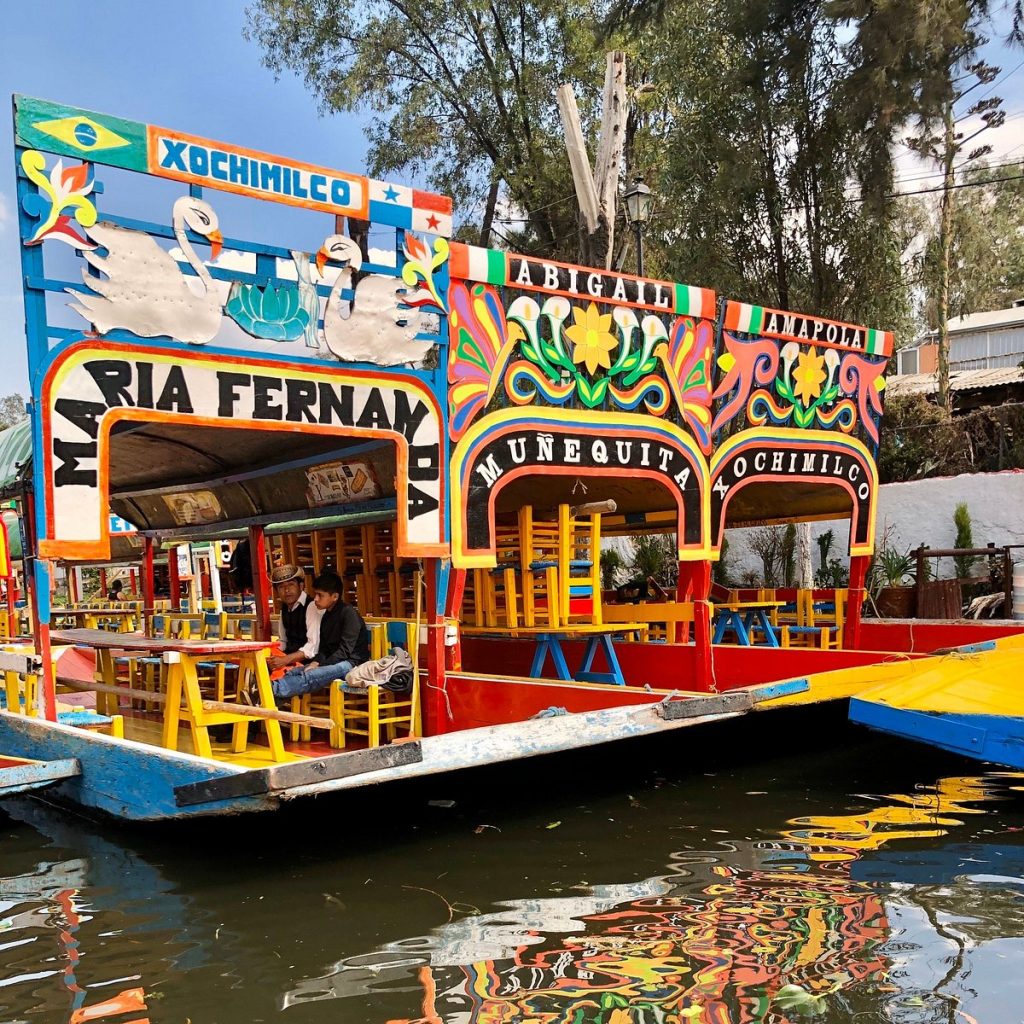
One of the most unique experiences in Mexico City is taking a trajinera ride through the canals of Xochimilco, a UNESCO World Heritage Site located in the southern part of the city. Often called the “Venice of Mexico,” Xochimilco is famous for its colorful boats, floating mariachi bands, food vendors, and lively atmosphere.
Visitors can rent a trajinera with friends and spend a few hours cruising through the canals while enjoying drinks, music, and traditional Mexican food. While weekends tend to be lively and party-focused, weekday visits are usually calmer and more relaxed.
If you want a more traditional and less crowded experience, I highly recommend visiting during the week instead of on weekends, when the canals become much more party-oriented.
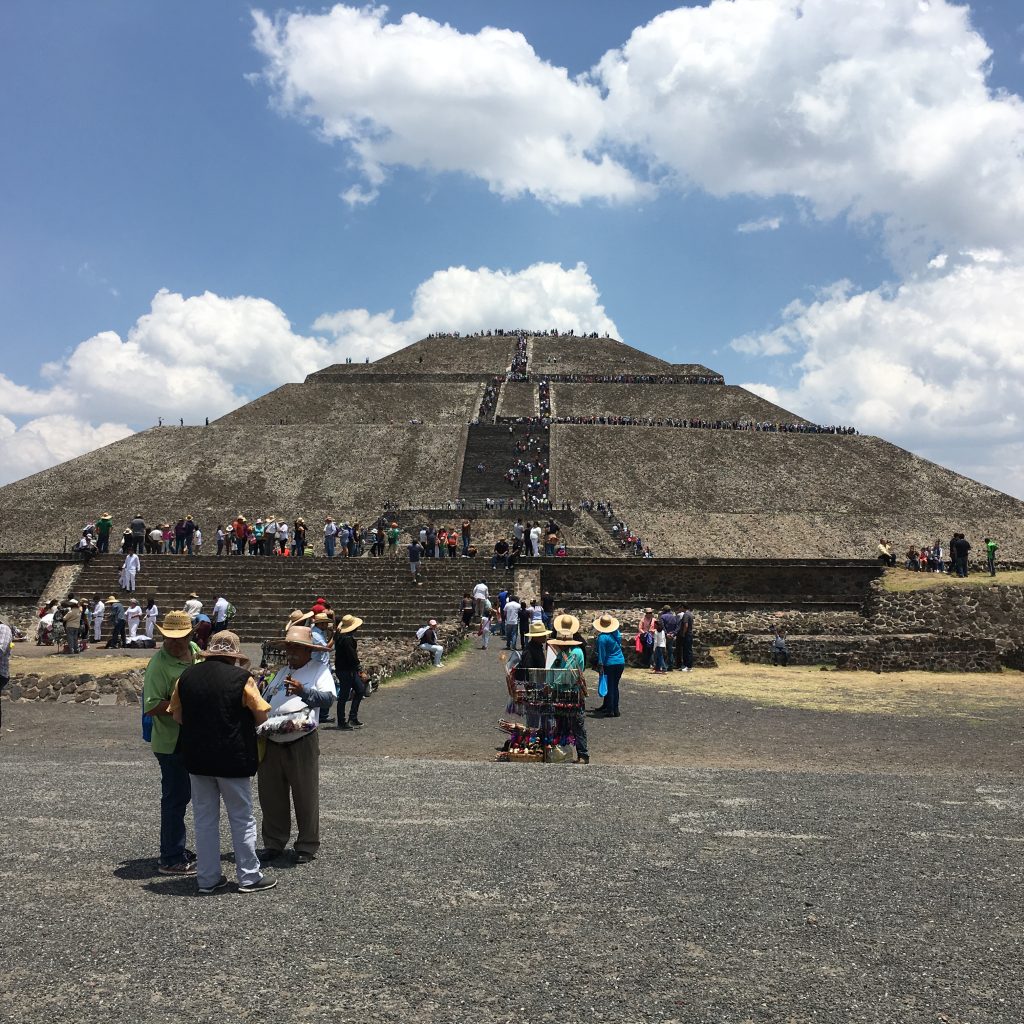
Located about an hour from Mexico City, Teotihuacán is one of the most impressive archaeological sites in the Americas and one of the best day trips from CDMX. Known as the “City of the Gods,” the ancient city was once one of the largest urban centers in the world and remains one of Mexico’s most important archaeological sites.
Visitors can climb the Pyramid of the Sun and Pyramid of the Moon, walk along the Avenue of the Dead, and explore temples and ruins dating back nearly 2,000 years. One of the most popular experiences is taking a sunrise hot air balloon ride over the pyramids, offering panoramic views across the ancient city and surrounding valley.
Seeing the pyramids emerge from the morning fog during sunrise is honestly one of the most unforgettable experiences I’ve had near Mexico City. To avoid crowds and midday heat, it’s best to arrive early in the morning and bring comfortable shoes, sunscreen, and plenty of water.
For more ideas beyond the city, check out my guide to the best day trips from Mexico City.
I share where to stay, where to go and what it’s really like travelling to Mexico as an LGBTQ+ traveler based on real experiences on the ground.
Absolutely! Mexico City, or CDMX, is one of the most gay-friendly cities in Latin America. It has a vibrant gay scene, especially in neighborhoods like Zona Rosa and Condesa, where you’ll find inclusive bars, clubs, and cafes. The city celebrates LGBTQ+ culture with events like the annual Pride Parade, which is one of the largest in Latin America.
The top neighborhoods for gay travelers include Zona Rosa, known as the heart of the gay scene, and Condesa, which offers a bohemian vibe with gay-friendly cafes and bars. Roma Norte and Juárez also have an inclusive atmosphere, with plenty of cultural and nightlife spots to explore.
Mexico City Pride, known as Marcha del Orgullo, typically takes place in June. The parade usually starts at the Ángel de la Independencia and ends at the Zócalo. Expect colorful floats, live music, and a lively, inclusive atmosphere that celebrates LGBTQ+ rights and diversity.
Yes, several local guides offer LGBTQ+ focused tours that dive into Mexico City’s queer history, notable LGBTQ+ landmarks, and inclusive neighborhoods. Tours like Divercitours provide tailored experiences that highlight CDMX’s rich LGBTQ+ heritage.
Zona Rosa, located in the Juárez neighborhood, is the historic center of LGBTQ+ life in Mexico City. It’s packed with gay-friendly bars, clubs, cafes, and shops. For decades, Zona Rosa has been the go-to place for the LGBTQ+ community, offering a safe, welcoming environment for locals and travelers alike.
Yes, many hotels and hostels in Mexico City are gay-friendly, particularly in areas like Zona Rosa, Condesa, and Roma Norte. Major hotel chains are generally inclusive, and you’ll also find LGBTQ+ owned or focused accommodations in these neighborhoods.
Some must-visit cultural sites include the Museo del Chopo, known for its exhibitions on alternative and counter-culture movements, and Cineteca Nacional, which often screens LGBTQ+ films. The Frida Kahlo Museum is also popular for its celebration of Frida’s life and her complex relationships, making it a meaningful stop for gay visitors.
Mexico City is generally safe for gay travelers, especially in well-known, inclusive neighborhoods like Zona Rosa, Condesa, and Roma. However, as with any big city, it’s important to stay aware of your surroundings and practice common travel safety measures, particularly at night.
Top spots include La Purísima, a lively gay club in Zona Rosa, Kinky Bar with its rooftop views and drag shows, and Tom’s Leather Bar for a more alternative vibe. Mexico City’s gay nightlife is diverse, offering everything from dance clubs to intimate cocktail bars.
Yes, gay travelers can freely visit historic and cultural sites in Mexico City, including places like the Zócalo, Chapultepec Castle, and the National Museum of Anthropology. The city’s inclusive atmosphere ensures that everyone can enjoy its rich cultural offerings comfortably.
In addition to the Pride Parade in June, Mexico City hosts various gay events throughout the year. The Museo del Chopo often has LGBTQ+ themed exhibitions, and Cineteca Nacional screens queer films regularly. The city also has LGBTQ+ art exhibits, film festivals, and drag shows happening at different venues across town.
Mexico City has an extensive public transportation system, including metro, buses, and ride-hailing apps like Uber, which is widely used and convenient. Many neighborhoods, especially those with LGBTQ+ hotspots like Condesa and Zona Rosa, are very walkable, making it easy to explore on foot.
Mexico City is one of the most exciting and rewarding destinations in Latin America, especially for LGBTQ+ travelers. Between the energy of Zona Rosa, the creativity of Roma Norte, the history layered throughout Centro Histórico, and the city’s incredible food, art, and nightlife scenes, there’s truly something here for every type of traveler. Whether you’re exploring ancient pyramids, wandering through queer art galleries, eating tacos at a tiny street stand, or ending the night at a rooftop bar overlooking the skyline, CDMX constantly feels alive, creative, and endlessly dynamic.
What keeps pulling me back to Mexico City is how many different versions of the city exist at once. One moment you’re surrounded by Aztec history and colonial architecture, and the next you’re discovering underground queer spaces, contemporary galleries, world-class cocktails, or some of the best food in the country. It’s a city that rewards curiosity and feels more inclusive, diverse, and culturally rich every time I visit.
As one of the most progressive and LGBTQ+-friendly cities in Latin America, Mexico City offers an unforgettable mix of culture, nightlife, history, and community. Whether it’s your first trip or your fifth, CDMX is the kind of place that leaves you planning your return before you’ve even left. ¡Bienvenidos a Ciudad de México!
About the Author
Tim is a seasoned travel writer and the creator of Out in Mexico, a dedicated resource for gay travelers exploring Mexico’s vibrant destinations. After relocating to Guadalajara, he has spent years immersing himself in Mexico’s gay culture, from the iconic beaches of Puerto Vallarta to the nightlife of Mexico City.
With firsthand experience in Mexico’s gay scene, Tim has personally visited the bars, hotels, and events featured in this guide. His insights have helped gay travelers plan unforgettable trips while ensuring they feel safe, welcomed, and informed.
When he’s not writing, you’ll find him sipping a mezcal cocktail at a bar in Guadalajara or travel to a new exciting destination in Mexico.
📍 Follow his adventures: @i.am.out.in.mexico
I share where to stay, where to go and what it’s really like travelling to Mexico as an LGBTQ+ traveler based on real experiences on the ground.
Gay-Friendly Bars, Restaurants, Culture
Local Tips You Won’t find on Google
Delivered straight to your Inbox twice a month

3 replies on “42 Gay-Friendly Things to Do in Mexico City”
[…] 43 THINGS TO DO IN MEXICO CITY […]
[…] 43 THINGS TO DO IN MEXICO CITY […]
[…] 43 THINGS TO DO IN MEXICO CITY […]